

Best Time to Visit Busan, South Korea
Asia, South Korea / October 29, 2026 / Be the first to comment
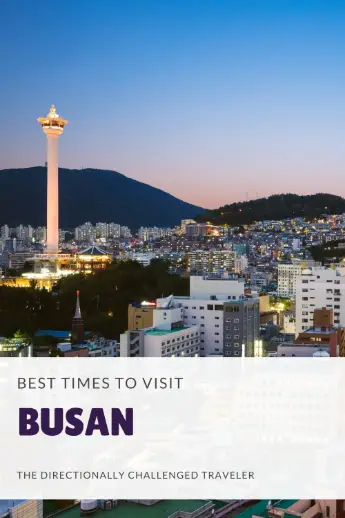
Busan stole my heart the moment I stepped off the train and caught my first glimpse of the sea between the city’s high-rises. As a travel advisor and content creator, I’ve visited countless coastal cities around the world, but something about Busan keeps pulling me back. One of the most common questions I get from readers and clients is, “When is the best time to visit Busan?” The honest answer? It depends on what kind of trip you’re after. This guide breaks down every single month so you can find the perfect window for your travel style, budget, and bucket list.
This post contains affiliate links. This means if you purchase something from a link, I may make a small commission, at no cost to you. This helps me keep the site running and free.
If you like this post, be sure to sign up for my e-mail list for travel inspiration & tips, or connect with me on Facebook, Instagram, Twitter, BlueSky, Threads, or Pinterest. I also have a Facebook group where you can ask me anything travel related – and I share travel deals!
Seasonal Overview
Busan is a year-round destination, but each season offers a distinctly different experience. Spring (March–May) brings mild temperatures and blooming cherry blossoms, making it one of the most popular and beloved times to visit. Summer (June–August) is hot, humid, and buzzing with energy as beach-goers flood Haeundae and Gwangalli, though typhoon season is an important factor to plan around. Autumn (September–November) is widely considered the best season overall — the crowds thin out, the weather turns crisp and golden, and the fall foliage across the mountains is absolutely stunning. Winter (December–February) is cold but surprisingly festive, offering a quieter, more local feel and some of the best accommodation deals all year.
Best Times to Visit Busan: Month by Month Breakdown
January
January is Busan’s coldest month, with temperatures ranging from around 1°C–8°C (34°F–46°F). It’s dry and crisp, with occasional frost, but heavy snowfall is rare — making it far more manageable than winter in Seoul or other inland cities. The city rings in the new year with festive energy along the waterfront, and the Dalmaji Moonlight Festival at Dalmaji Hill is a beautifully atmospheric way to experience Korean lunar traditions. The celebration draws locals and visitors together for lanterns, performances, and stunning sea views. Since the dates change, check the tourism website for more information.
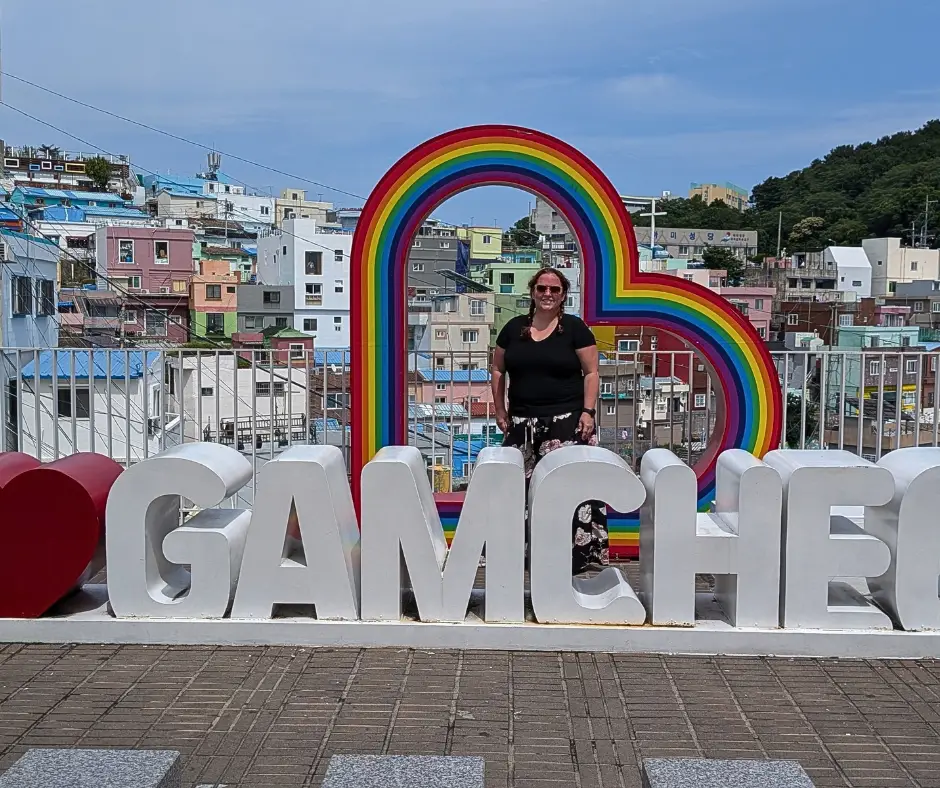
January is a great time to visit if you’re on a tighter budget. Hotel rates drop significantly during the off-season, and popular spots like Gamcheon Culture Village and Haedong Yonggungsa Temple are refreshingly uncrowded. Pack a proper winter coat, thermals, and layers — the coastal wind can make it feel much colder than the thermometer suggests. Without the summer and spring crowds, you can wander the rainbow-painted alleyways, discover hidden art installations, and soak in the hillside views at your own pace. January gives you the village in its most peaceful, authentic form.
February
February is still firmly in winter territory, with temperatures sitting between 2°C–10°C (36°F–50°F), but you’ll start to notice a subtle shift as the month progresses. Days are dry and clear, and the cold feels a little less biting by the final week.
Lunar New Year (Seollal) is the biggest cultural event of February, though the exact dates shift each year based on the lunar calendar. It’s one of Korea’s most important holidays — families reunite across the country, ancestral rites are performed, and the city takes on a distinctly quieter, more local atmosphere.
If you’re traveling during Seollal, plan ahead. Many smaller restaurants, shops, and attractions operate on reduced hours or close entirely for a few days. That said, it’s a genuinely special time to observe Korean culture up close. Respect the holiday’s significance, and take the chance to experience a side of Busan most tourists never see.
Make the trip to Haedong Yonggungsa Temple, one of the few seaside Buddhist temples in all of Korea. In winter, the dramatic coastal setting — crashing waves, rocky cliffs, and ancient stone lanterns — feels almost otherworldly. Arrive early for the best light and the most serene experience.
March
March marks the beginning of spring, and the transformation is noticeable. Temperatures climb from around 5°C–13°C (41°F–55°F), the air smells fresher, and the city starts to wake up from its winter quiet. Expect some light rain showers toward the end of the month as the season fully settles in.
The cherry blossom season begins to stir in late March, with the first blooms typically appearing toward the final week of the month. It’s not yet peak bloom — that comes in April — but spotting the first blossoms of the season has its own kind of magic.
Pack layers that you can add and remove throughout the day — mornings and evenings can still carry a real chill, while midday warms up nicely. March is a wonderful time to explore Busan’s outdoor markets and neighborhood streets without the pressure of peak-season crowds. Keep an eye on blossom forecast updates if catching early blooms is a priority for your trip.
Treat yourself to a soak at Oncheonjang, Busan’s famous hot spring district. After months of cold weather, slipping into the warm mineral waters feels like the ultimate seasonal reset. It’s a deeply local experience that most visitors overlook entirely — and one you’ll absolutely want to write home about.
April
April is one of the most comfortable months in Busan, with temperatures ranging from 10°C–18°C (50°F–64°F). The skies are mostly clear, the air is fresh, and the entire city seems to be in full bloom. It’s genuinely gorgeous.
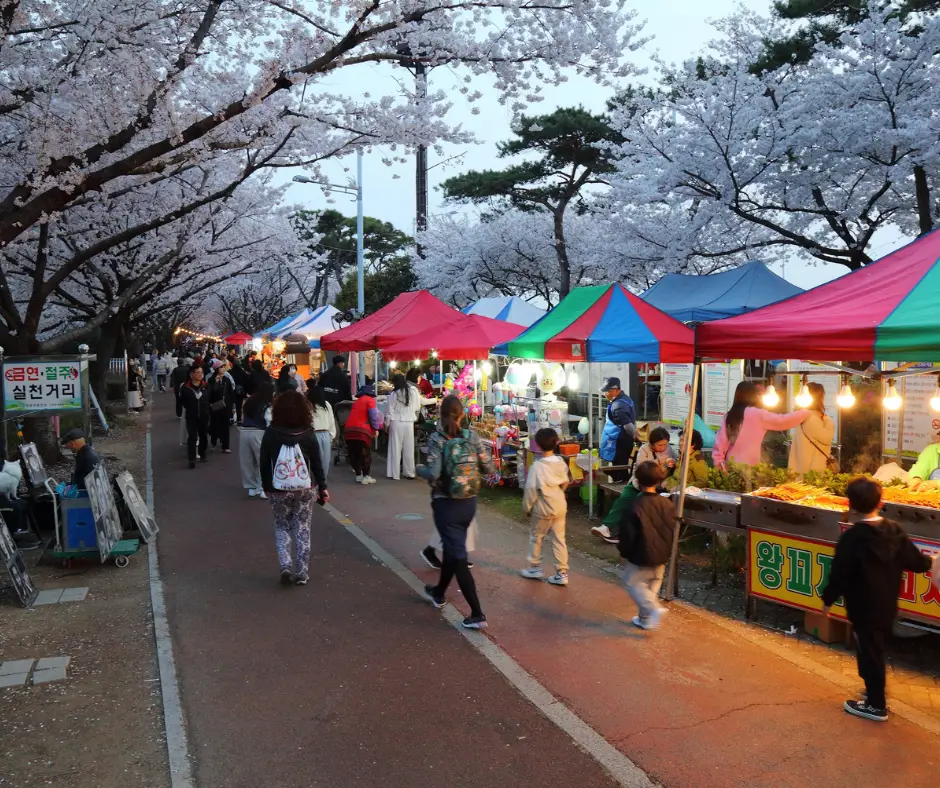
The Busan Cherry Blossom Festival is the headline event, drawing visitors from across Korea and beyond. The most spectacular displays are along the Nakdong River, at Citizens’ Park, and around the Oncheon Stream trail. Across the city, spring festivals, outdoor concerts, and cultural events fill nearly every weekend.
April is one of Busan’s busiest months, so book flights and accommodations early. If you’re planning to visit popular blossom spots on weekends, go early in the morning to beat the crowds and catch the best natural light for photos. Weekday visits make a noticeable difference in how relaxed your experience feels.
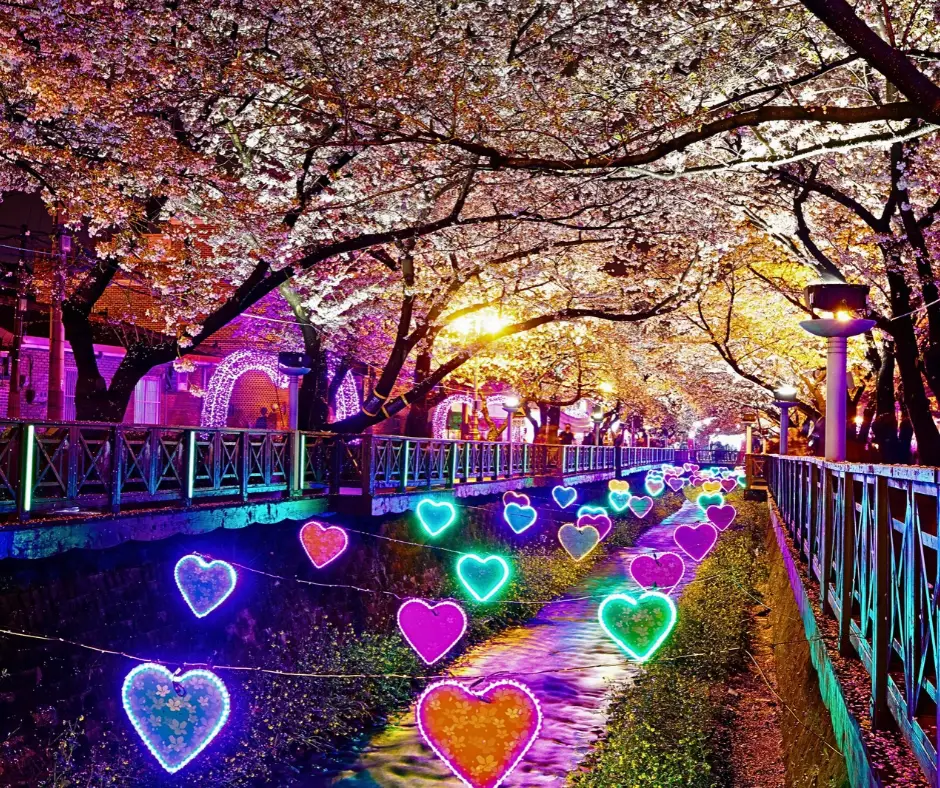
Walk the cherry blossom trail at Citizens’ Park or along the Oncheon Stream. The tunnel of pink and white blossoms is one of those travel experiences that looks exactly like the photos — maybe even better in person. Bring a picnic, slow down, and let yourself fully absorb Busan’s spring bloom beauty.
May
May is arguably the best month to visit Busan for the weather. Temperatures sit comfortably between 15°C–22°C (59°F–72°F), humidity is still low, and the days are long and sunny. The city feels like it’s operating at its absolute best.
Keep an eye out for the Busan Fireworks Festival, which sometimes falls in late April or May depending on the year, and Buddha’s Birthday (Yeon Deung Hoe) — a breathtaking lantern festival that fills the streets with color and light. Both events are worth planning your trip around if the dates align.
May sits in a sweet spot before summer crowds and humidity arrive, making it ideal for outdoor sightseeing, beach walks, and hiking. Haeundae and Gwangalli Beaches are enjoyable without being overwhelmingly packed. If you’re torn between April and May, May often wins for sheer ease and comfort of travel.
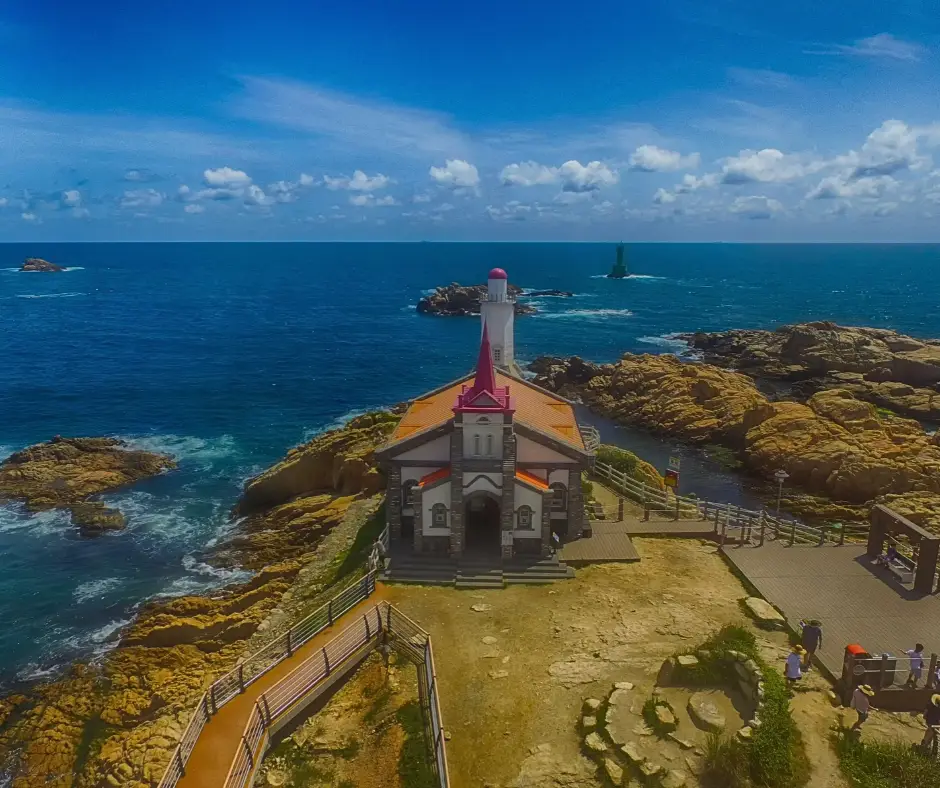
Lace up your hiking shoes and tackle the Igidae Coastal Path. This stunning 4.7-kilometer trail hugs the rocky coastline south of Gwangalli Beach, delivering sweeping views of the East Sea and Gwangan Bridge at every turn. In May, wildflowers bloom for a colorful view. Check out Jukseong Catholic Church (a fake church made for the K-drama Dream), a unique stop along the walk.
June
June marks the beginning of summer, with temperatures climbing to around 19°C–26°C (66°F–79°F). The humidity starts to build and the first monsoon rains roll in, bringing short but heavy downpours — usually in the afternoons.
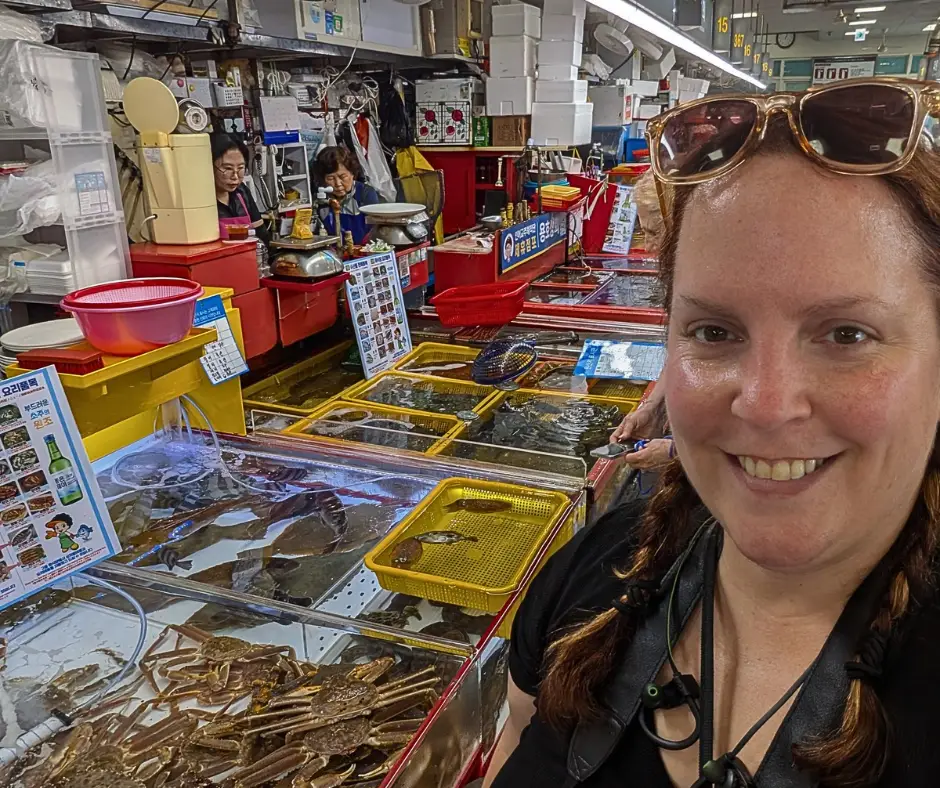
Beach season officially kicks off, and the energy around Haeundae and Gwangalli builds quickly. Local seafood festivals at Jagalchi Market celebrate the season’s freshest catches, and outdoor events begin popping up along the waterfront.
June is a wonderful transition month — warm enough for the beach but not yet at peak summer intensity (especially earlier in the mont). A light rain jacket or compact umbrella is your best friend this month. I visited in June, and it quickly became one of my favorite times to experience the city. The seafood was unbelievably fresh, the beaches were lively but not chaotic, and there was this electric feeling of summer just beginning to unfold. Catching an evening at Gwangalli Beach with a cold drink in hand as the sun set behind Gwangan Bridge — that’s a memory I’ll carry for a long time.
Spend a morning at Jagalchi Fish Market, Korea’s largest seafood market. Watch the vendors expertly prepare haemultang (seafood stew) and raw fish right before your eyes, then sit down for the freshest meal of your entire trip. It’s loud, chaotic, colorful, and completely wonderful.
July
July is hot, humid, and full of energy. Temperatures reach 25°C–31°C (77°F–88°F), and the monsoon season is in full swing with frequent heavy rain. Typhoon alerts are also possible, so stay aware of weather forecasts.
The Busan Sea Festival at Haeundae Beach is the centerpiece of July, featuring water sports, concerts, beach performances, and events that run nearly every weekend throughout the month. The entire city leans into its beach identity in a big, bold way.
July is peak season, and it shows. Haeundae Beach can get extraordinarily crowded — think wall-to-wall umbrellas and long lines for everything. Book accommodations as far in advance as possible, budget for higher prices, and always check typhoon forecasts before finalizing travel plans. Travel insurance is highly recommended this time of year.
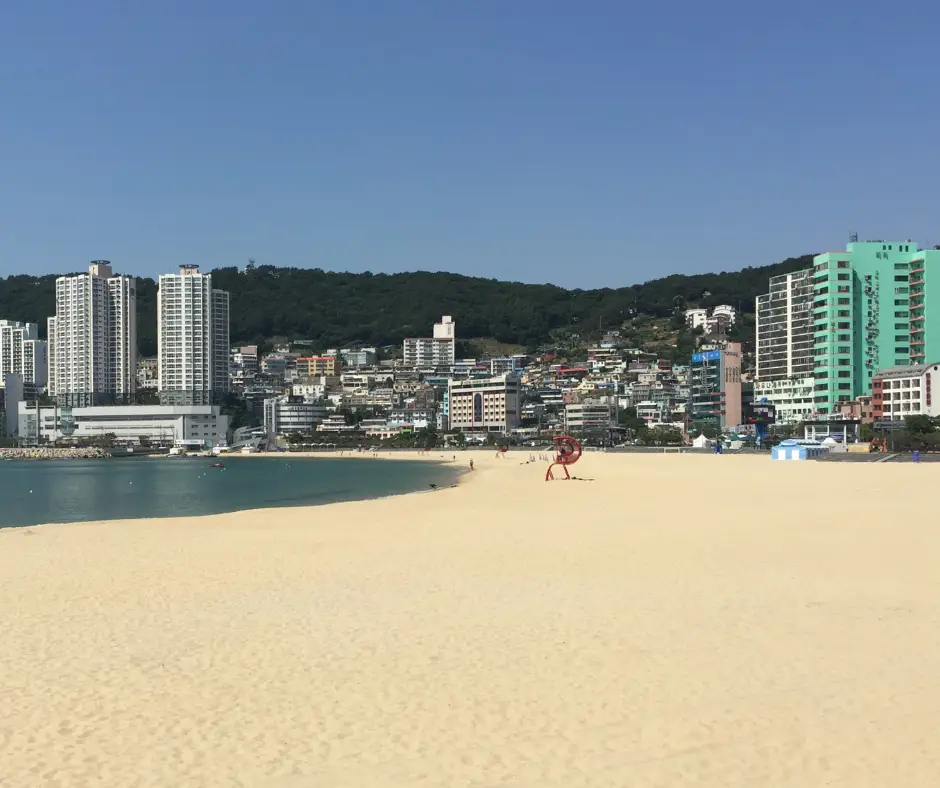
Embrace the chaos and spend a full day at Haeundae Beach or Songda Beach. Yes, they may be crowded—but it’s iconic for a reason. Swim, people-watch, eat beach snacks, and soak up the electric summer atmosphere that makes Busan’s beach culture truly one of a kind. Nowhere else in Korea feels quite like it.
August
August is the hottest and most intense month in Busan, with temperatures hovering around 26°C–32°C (79°F–90°F). Humidity is at its peak, typhoon risk is highest, and afternoon thunderstorms are common. It’s a lot — but the city handles it with remarkable energy.
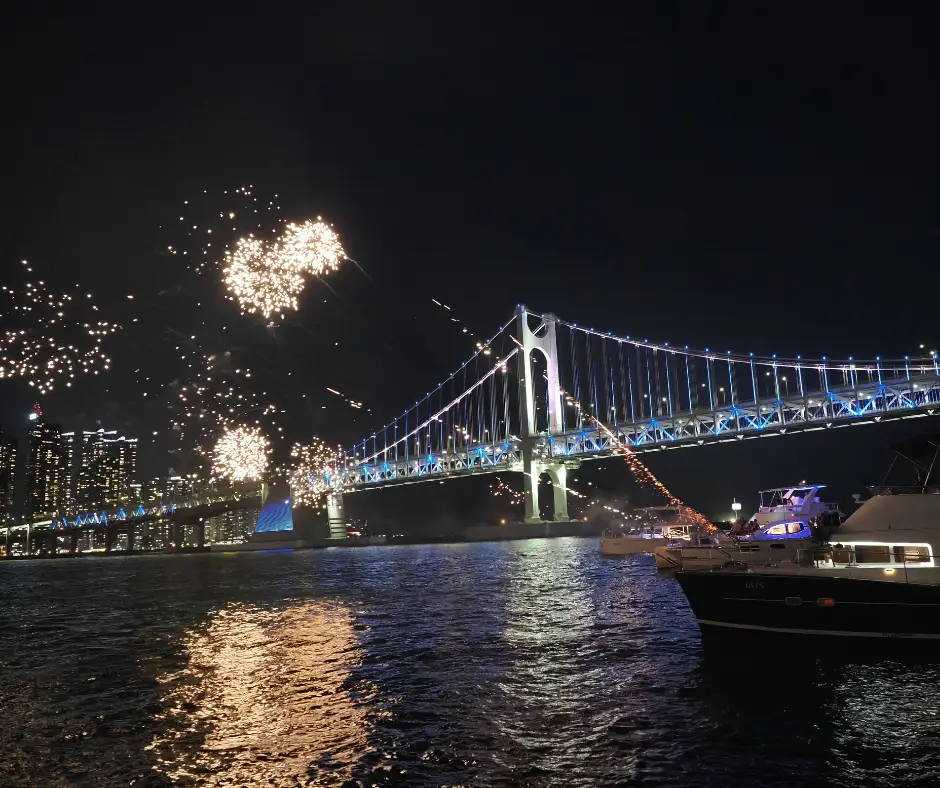
Gwangalli Beach hosts its spectacular fireworks show this month, with rockets lighting up the sky directly above Gwangan Bridge in one of the most photogenic displays in all of Korea. The Busan International Rock Festival also draws massive crowds of music lovers from across Asia.
If you’re visiting in August, stay as close to the beach as possible to make the most of early mornings and evenings when temperatures are slightly more bearable. Typhoons can derail travel plans with little warning, so travel insurance isn’t optional — it’s essential. That said, if you love heat, energy, and being at the center of the action, August delivers it all in abundance.
Position yourself at Gwangalli Beach for the fireworks show and watch the sky above Gwangan Bridge explode into color. The bridge lights up in sync with the display, the reflection dances across the water, and the crowd around you erupts in collective awe. It’s one of those travel moments that genuinely takes your breath away.
September
September is a glorious month in Busan. Temperatures range from 20°C–27°C (68°F–81°F), the oppressive summer humidity begins to lift, and the skies take on a brilliant clarity that makes everything look sharper and more vivid. The city exhales after a long, hot summer.
The buzz around the Busan International Film Festival (BIFF) — one of Asia’s most prestigious film events — begins building throughout September ahead of its early October dates. Pre-events, screenings, and cultural programming start appearing across the city, creating an exciting creative energy.
September might be the single best month to visit Busan if you want the full experience without the full summer price tag. The beaches are still warm enough to enjoy, crowds have thinned considerably, and the city feels alive in a more relaxed, authentic way. It’s the sweet spot that experienced travelers quietly keep to themselves.
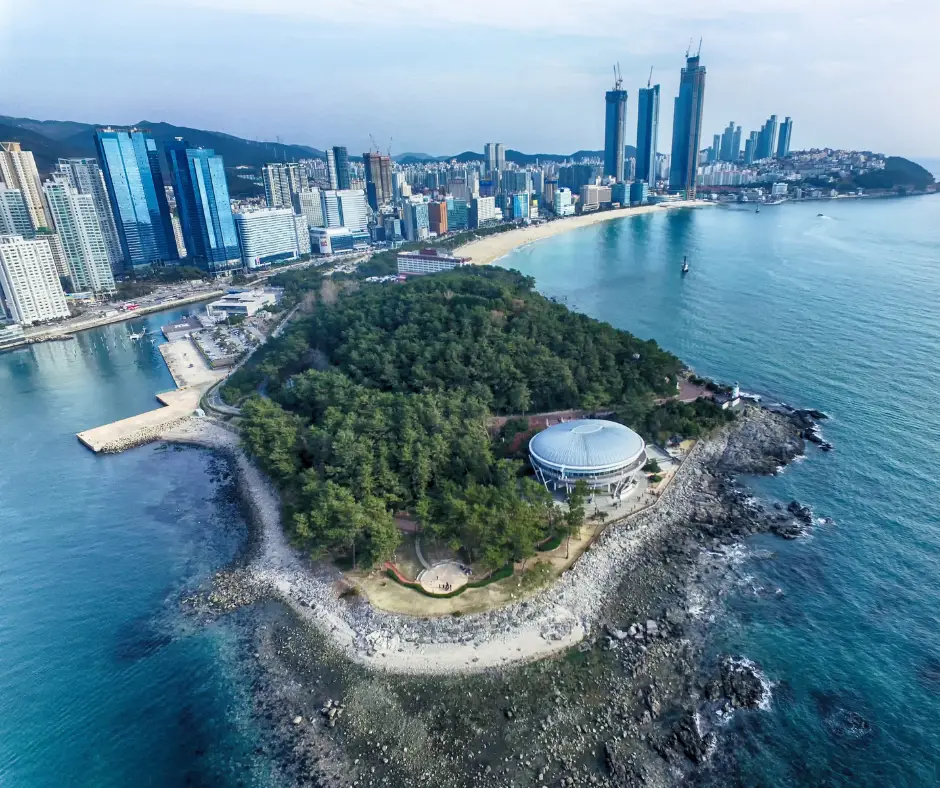
Head to Dongbaekseom Island at golden hour. This small, forested peninsula juts into the sea near Haeundae and offers walking trails, camellia groves, and sweeping coastal views. In September’s clear light, the view of Gwangan Bridge and the cityscape from the island’s lookout point is absolutely unforgettable.
October
October brings some of the most beautiful weather Busan sees all year. Temperatures settle between 13°C–22°C (55°F–72°F), skies are deep blue, humidity is low, and the air carries a crisp, invigorating quality. Fall is well and truly here.
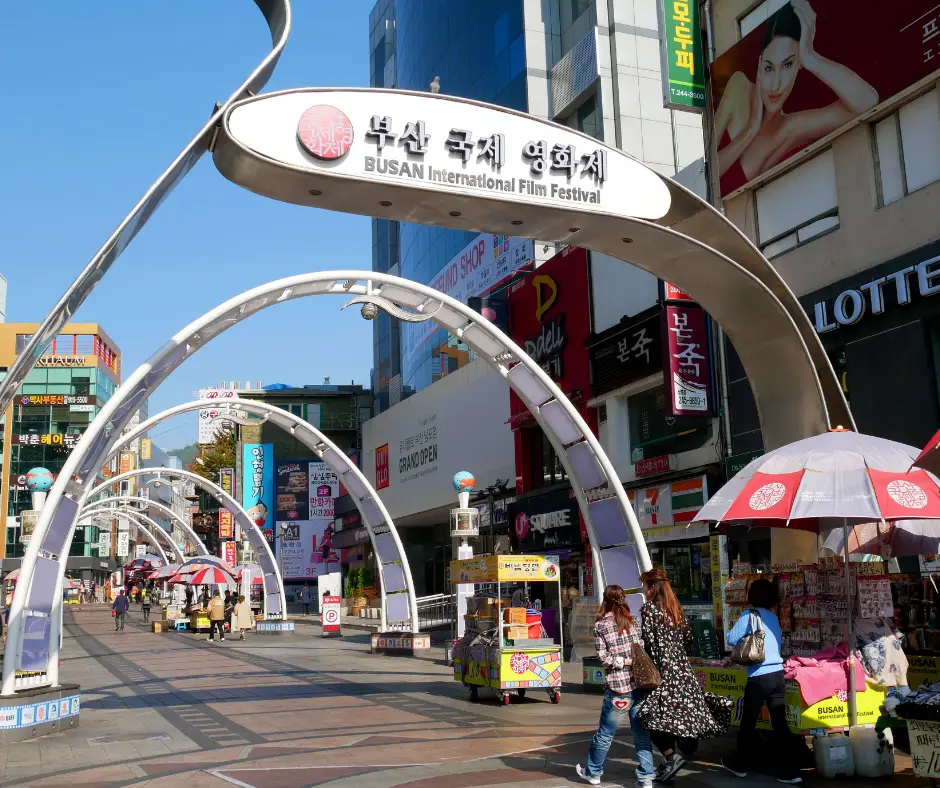
The Busan International Film Festival (BIFF) takes center stage, transforming Haeundae and the BIFF Square area into a hub of international cinema, red carpets, and creative culture. The Busan One Asia Festival also brings K-pop performances and concerts to the city, drawing fans from all over the world.
BIFF is a bucket-list event, but it draws enormous crowds and drives up accommodation prices — book everything months in advance. If you’re a film enthusiast, plan your entire trip around the festival schedule. Even if you’re not a cinephile, the atmosphere, street performances, and cultural energy make it worth experiencing.
Attend the Busan International Film Festival. Whether you score tickets to a red carpet premiere, catch an independent film from a rising director, or simply soak up the buzz around BIFF Square, it’s an experience that puts you at the center of Asia’s creative film scene.
November
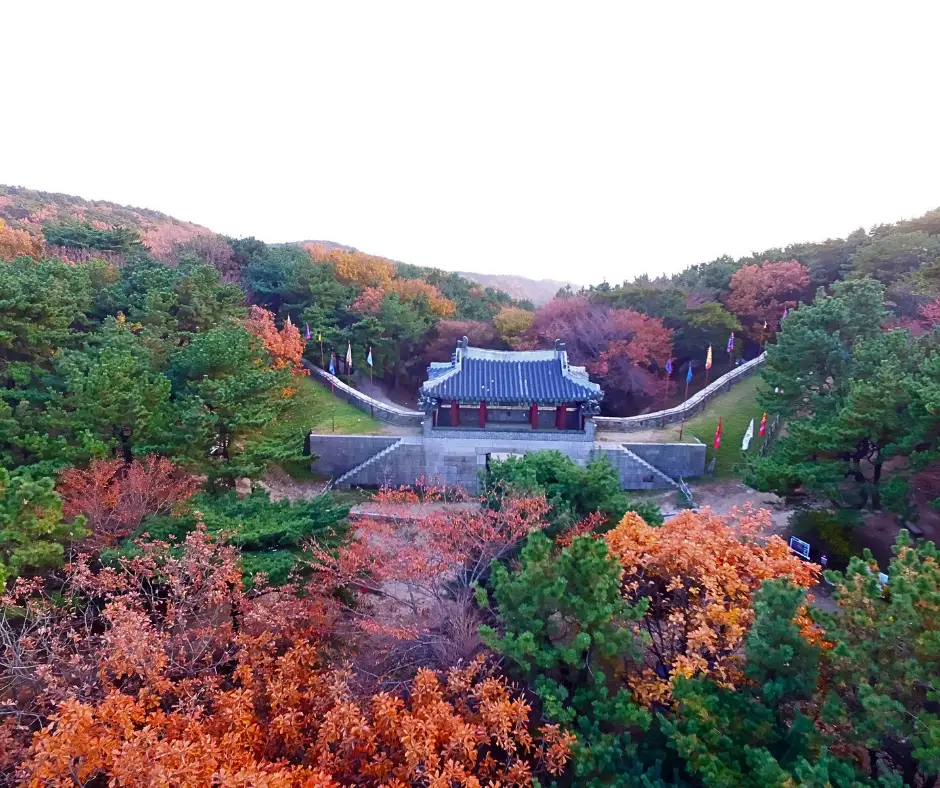
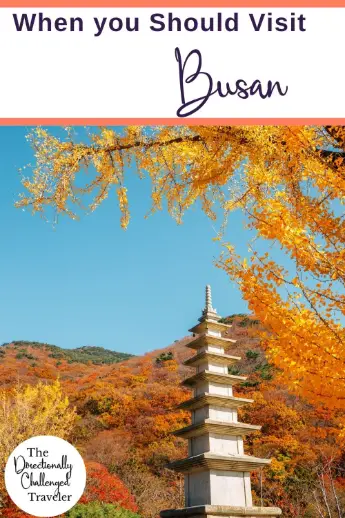
November is cool, dry, and deeply pleasant. Temperatures range from 7°C–17°C (45°F–63°F), and the fall foliage peaks around mid-month, painting the mountains and parks in rich shades of red, orange, and gold. It’s visually one of the most striking months in Busan.
Geumjeongsan Mountain becomes the backdrop for fall foliage celebrations, with local festivals and guided hikes drawing nature lovers to the peaks above the city. Year-end cultural events and exhibitions also begin to emerge across Busan’s galleries and museums as the city transitions toward winter.
November is one of the most underrated and overlooked months to visit Busan — which means it’s actually one of the best-kept secrets on the travel calendar. Prices are reasonable, crowds are manageable, and the city rewards slow, intentional exploration. Pack a proper jacket for evenings, but midday temperatures can still be quite comfortable.
Hike Geumjeongsan Mountain during peak foliage season. The trail leads you through forests ablaze with autumn color, past ancient fortress walls, and up to panoramic viewpoints overlooking Busan’s urban sprawl meeting the sea. It’s the kind of hike that reminds you why you travel in the first place.
December
December is cold, with temperatures ranging from 2°C–9°C (36°F–48°F). It’s dry with little precipitation, though cold snaps can roll in from the north. The coastal wind adds a bite, so dressing warmly is non-negotiable.
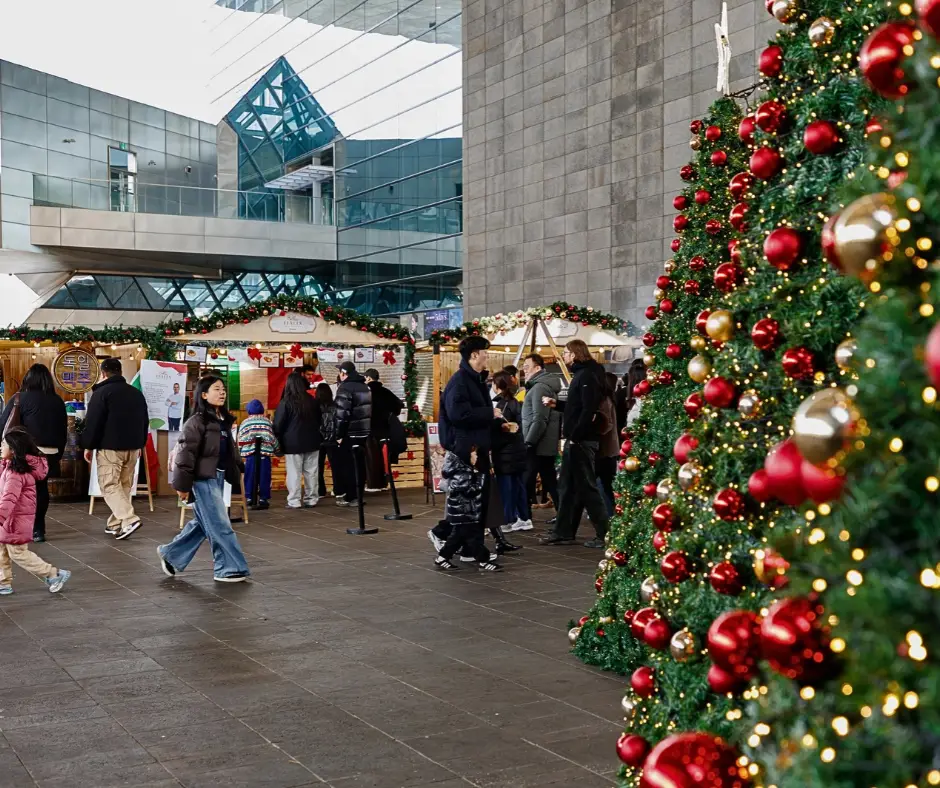
Haeundae Beach transforms into a wonderland of light installations for the Haeundae Sand Festival and holiday light displays, drawing evening strollers and families throughout the month. Christmas celebrations bring festive decorations and events to shopping districts, and New Year’s Eve along the waterfront is one of Busan’s most beloved annual traditions.
December is a smart month for budget-conscious travelers. Off-season hotel rates return, popular attractions are refreshingly quiet, and the city takes on a cozy, festive warmth that contrasts beautifully with the cold. Layer up, embrace the chill, and slow down in winter in Busan.
Wake up before dawn on New Year’s Eve and head to Haeundae Beach for sunrise. Watching the first light of the new year rise over the East Sea, surrounded by locals making wishes and celebrating new beginnings, is one of the most genuinely moving travel experiences Busan has to offer.
Final Thoughts
After everything I’ve seen and experienced in Busan across different seasons, I can say with confidence that this city has something extraordinary to offer no matter when you go. If I had to choose, I’d send beach lovers in August for the full summer spectacle, culture seekers in October for BIFF, nature enthusiasts in April or November for the blossoms and foliage, and budget travelers in January or December for the quiet magic of off-season Busan. But honestly? The best time to visit Busan is whenever you can make it happen. Save this post, share it with a fellow traveler, and start planning — your Busan moment is waiting.
Save “When is the Best Time to Visit Busan?” for Later

About the Author

Read More About Asia




Have You Seen These Yet?


Hey there! I’m Pamela. Just a woman who has fallen in love with getting lost around the world. I’ve traveled to 42 countries across 7 continents.
My mission? To inspire you to ‘let the bucket list flow’ and see what the world has to offer.
My promise: All of my photos are not edited. What you see is what you get.
Join a small-group safari to Kenya & Uganda!
- Go trekking and get close to gorillas and chimpanzees
- See the big 5 Safari Animals
- See The Great Migration
- Sunrise hot air balloon ride and champagne breakfast included
- Maximum of 12 guests
Capital Cities book
- Discover the world through this 258 page book covering 118 cities
- 3 photos by me!
- Perfect as a gift or for your coffee table
Travel Shop
- Accommodation Comparison Excel
- Printable Bucket Lists
- Travel Planning Resources
- & More!
Leave a Reply