

10 Reasons to Use Global Rescue for International Travel
Safety Tips, Travel Tips / August 13, 2026 / Be the first to comment
Traveling internationally is exciting, but even the best-planned trip can take an unexpected turn. A missed connection is one thing; a medical emergency, natural disaster, political unrest, or accident in a remote destination is something else entirely. That’s where having the right travel protection can make a huge difference. On our international trips, Global Rescue is one of the services we consider when we want an extra layer of support beyond traditional travel insurance. One of the top reasons to use Global Rescue is that it covers what travel insurance doesn’t.
You may be wondering whether a service like Global Rescue is really worth adding to your travel budget. After all, most trips go exactly as planned. But when something does go wrong, knowing you have access to medical, security, and evacuation assistance can provide valuable peace of mind. You twist an ankle on a hike. You get food poisoning in a town where you don’t speak the language. A protest blocks the transit line you need to get to the airport. From helping you get out of a difficult situation to coordinating emergency transportation, Global Rescue is a travel membership making sure you get home safely
It’s not the sexy part of trip planning, and it’s not something you “need” for every single itinerary. But if you travel internationally with a mid-range budget, DIY routes, a mix of cities and adventure, occasional remote side quests—it can be one of the most practical safety nets you can buy.
This post contains affiliate links. This means if you purchase something from a link, I may make a small commission, at no cost to you. This helps me keep the site running and free.
If you like this post, be sure to sign up for my e-mail list for travel inspiration & tips, or connect with me on Facebook, Instagram, Twitter, BlueSky, Threads, or Pinterest. I also have a Facebook group where you can ask me anything travel related – and I share travel deals!
First: Global Rescue vs. travel insurance (they’re not the same)
Travel insurance is usually built around financial reimbursement: trip cancellation, trip delay, baggage issues, and sometimes medical expense coverage (depending on your policy and destination).
Global Rescue is more about help and logistics when something goes wrong: medical advisory support, field rescue/evacuation coordination, and (depending on membership options) security-related evacuation support.
In real life, many mid-range travelers carry both:
- Insurance to help cover eligible costs.
- Global Rescue-style membership for assistance and evacuation/rescue coordination in tough situations.
Important note: benefits, exclusions, and definitions matter. Always read the plan details and make sure they match your activities and destinations. Often, travel insurance does not cover safari or adventure-style travel.
1) Because your “one-day side trip” can be the riskiest day of your itinerary
A lot of travel isn’t one place for two weeks. It’s: four days in a city, then a volcano day trip, then an island, then a “hidden” waterfall someone posted on Instagram. Even if you’re a “slow traveler” staying somewhere for a few weeks, chances are you have some day trips mixed in that could be risky.
Those are the days you’re furthest from major hospitals, reliable transportation, quick emergency response, or even English-speaking support. So if you break an ankle on that volcano day trip, how do you plan on coordinating care? Global Rescue is built around the reality that problems often happen away from the easy infrastructure, not right outside your hotel.
They’ll coordinate translation, medical care, and evacuation if needed!
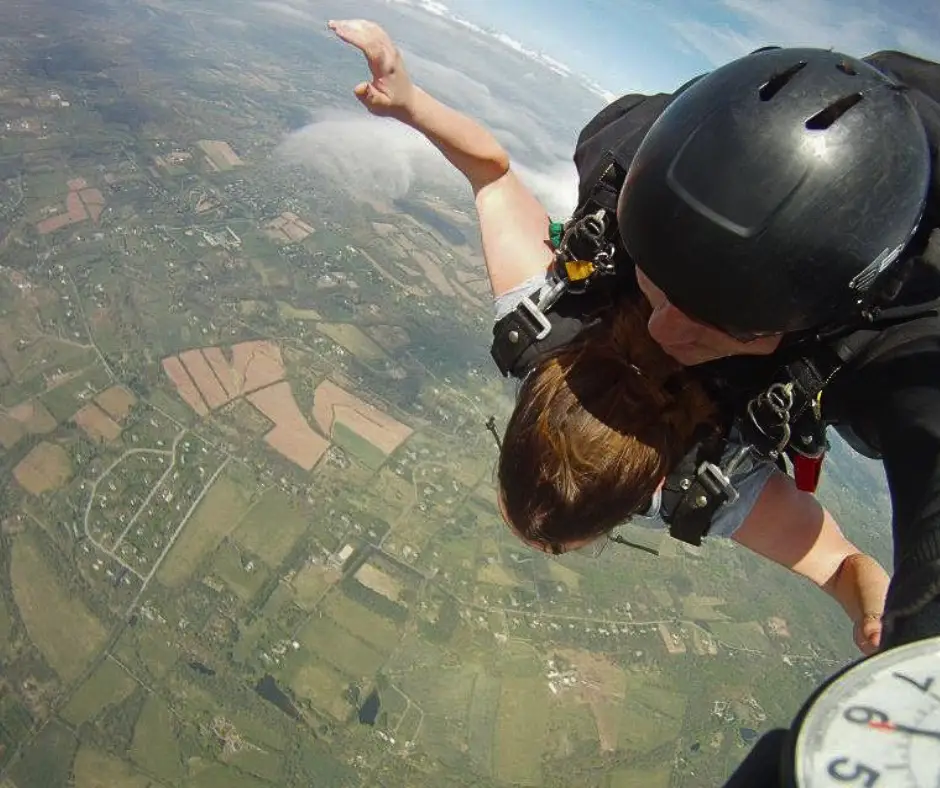
2) Field rescue is different than “medical coverage,” and the difference matters
A lot of travelers assume, “If I have medical insurance, I’m fine.” But medical coverage and getting to care aren’t the same thing. Getting a local ambulance to pick you up quickly or safely travel by car can add a layer of complications in a difficult situation. Global Rescue is known for the field rescue/evacuation side of the equation—helping coordinate getting you out when “just go to the clinic” isn’t realistic.
This tends to matter most for:
- hiking/trekking days,
- remote beaches and islands,
- safari-style regions,
- backcountry winter travel,
- or anywhere cell service is unreliable.

3) You get medical decision support when you’re not sure what to do next
A surprisingly common travel moment is this: “I feel awful. Is this urgent? Do I need a hospital? Or do I need electrolytes and sleep?”
When you’re exhausted, jet-lagged, and Googling symptoms on a weak Wi‑Fi connection, it’s easy to overreact (expensive private hospital for a minor issue) or underreact (waiting too long on something serious). With Global Rescue, you can call their medical advisory team to get assistance. They’ll help you understand red flags, decide the right level of care, and when to act.
4) Care coordination helps when language, systems, and paperwork are the real problem
Even when you find a good clinic, the hardest part can be everything around it:
- explaining your symptoms clearly,
- communicating allergies or meds,
- understanding what tests mean,
- getting records,
- figuring out what happens next.
This is where travelers often feel alone—especially if you’re traveling solo or your travel buddy is just as overwhelmed. While Google Translate can be helpful, it can have trouble with medical jargon.
Global Rescue‘s value here is the coordination/support layer: helping you navigate the process and communicate so you’re not making big medical decisions based on half-understood information. It gives you peace of mind during a high-stakes interaction (and when you’re not feeling great).
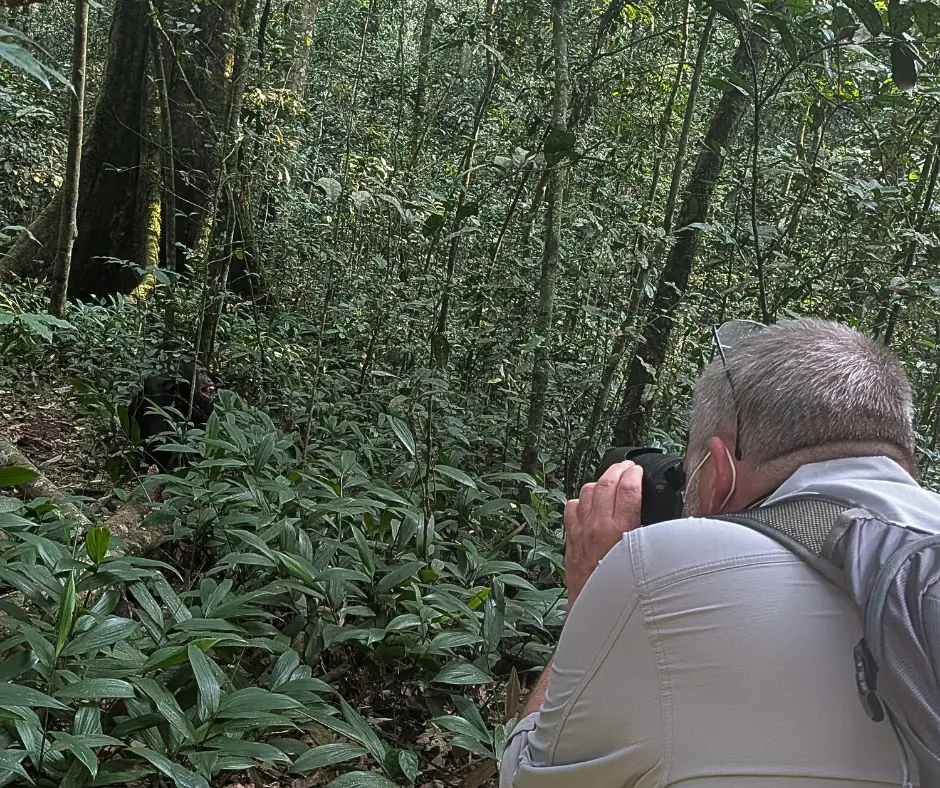
5) Evacuation is about getting to the right care—not just the closest place
In many policies and real-world situations, you may be taken to the nearest facility that can stabilize you. Sometimes that’s fine. Sometimes it isn’t—especially for:
- complex fractures,
- serious infections,
- head injuries,
- situations requiring specialists,
- or places where the local facility is limited.
Global Rescue is often discussed as a way to bridge the gap between “stabilized” and “treated where you actually want/need to be treated,” depending on circumstances and plan details.
This is also where mid-range travelers feel the pinch: you can afford a great trip, but you’re not trying to bankroll complicated international logistics on your own if something big happens.
6) Security disruptions are real, and you don’t need to be “reckless” to get stuck in one
You don’t have to be chasing danger for travel plans to get complicated. Things that can affect completely normal itineraries:
- protests that shut down streets,
- strikes that pause transport,
- sudden curfews,
- changes at border crossings,
- localized unrest near government areas.
If you’re staying in a central neighborhood (because it’s convenient and walkable), you’re also closer to where events often concentrate. I’ve unexpectedly experienced two protests and airline strikes when traveling.
Global Rescue’s security-related support is appealing because it’s not just “good luck, be safe.” It’s structured help and planning when it’s smart to reroute, shelter in place, or leave. With the world being an ever-changing political climate, it’s nice to have the peace of mind that you can get out safely if needed.
7) 24/7 support matters because travel problems never happen at convenient times
If you’ve traveled internationally, you know the pattern:
- it’s midnight local time,
- you feel sick,
- the hotel front desk is trying, but not equipped,
- you’re making decisions while half-asleep.
24/7 access to assistance can reduce the “spiral” where you make expensive, panicked choices—booking the wrong transport, going to the wrong facility, or waiting too long because you don’t know what’s normal (when is the food not sitting well or is it more serious food poisoning?). Even if you never need a full-scale rescue, having someone pick up and help you think clearly can be the difference between a messy night and a manageable one.
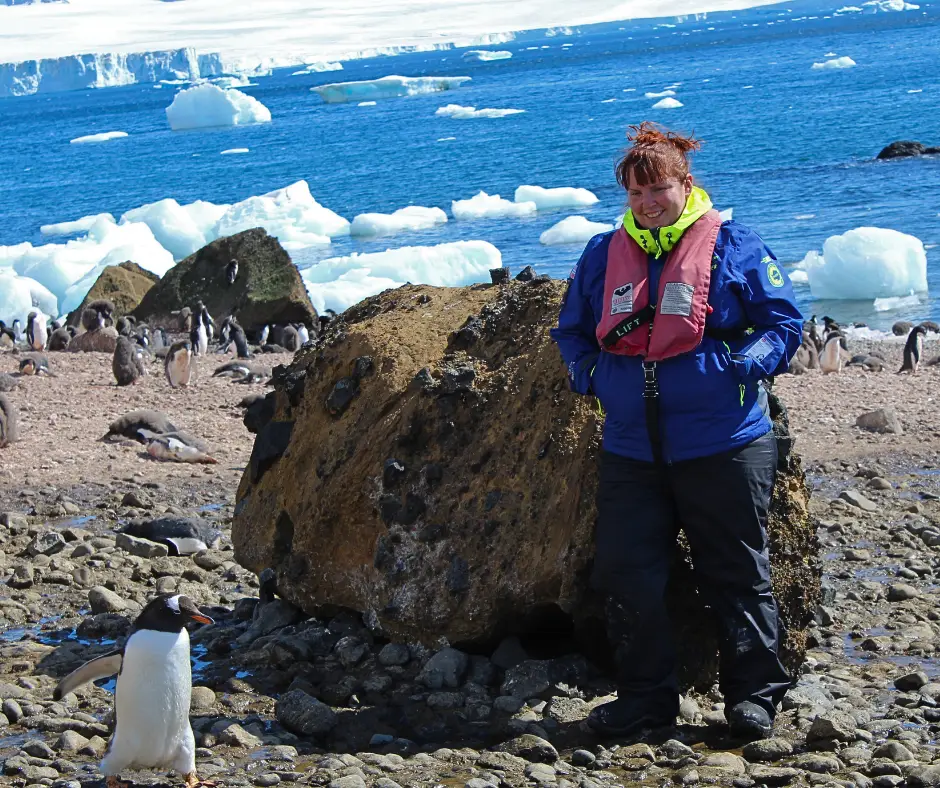
8) Destination intelligence helps you avoid problems before they happen
Most of us already do some version of this:
- read neighborhood guides,
- check common scams,
- see if tap water is safe,
- skim local news.
Global Rescue is frequently positioned as an added layer of destination risk information and support—especially helpful if you’re traveling somewhere you don’t know well, or if your plans involve multiple regions with different risk profiles. This can help you know which areas to avoid at night, understand any local transit disruptions, and also plan routes that reduce risk. Their destination intelligence stays up to date with entry requirements, vaccines needed, safety tips, and more.
9) It fits the way many millennials travel: DIY, flexible, and experience-heavy
A lot of “traditional” travel protection assumes you’re doing something straightforward – one country, a couple of hotels, major tourist routes/attractions. While it’s important to have travel insurance for flight delays or cancellations, it doesn’t cover many “extras” like adventure travel.
A typical itinerary might include:
- a big city,
- a budget flight,
- a scooter rental,
- a hike,
- an overnight bus,
- a boat transfer,
Global Rescue tends to appeal to that style because it’s focused on support during the trip, not just reimbursement after the fact. They also try to help prevent issues from occurring or getting worse. They also have you covered in those “off-the-beaten-path” destinations that might have political unrest at any time.
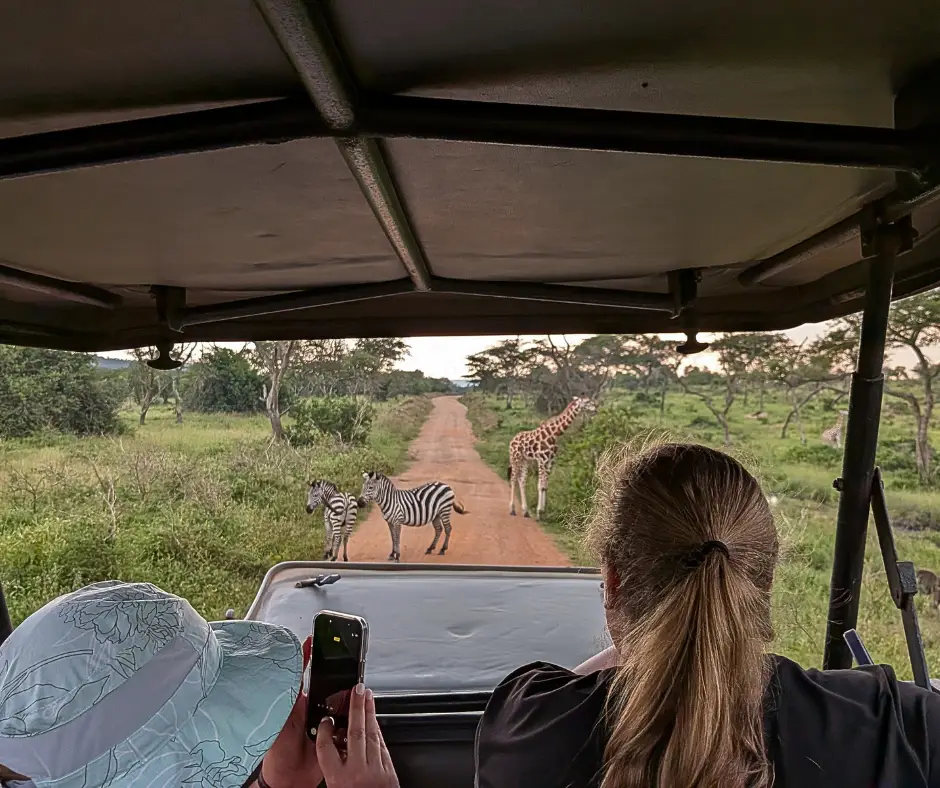
10) Peace of mind isn’t “paranoia”—it’s permission to enjoy the trip you paid for
There’s a specific kind of stress that creeps in when you’re far from home: not fear, exactly—more like mental overhead.
“What if I get sick here?”
“What if I crash the scooter?”
“What if this ferry gets cancelled and I’m stuck?”
Some people respond by avoiding experiences. Others push through and feel anxious the whole time. Either way it creates travel stress that can negatively impact your trip. The point of something like Global Rescue isn’t to make you feel invincible. It’s to reduce the mental load so you can do the hike, take the side trip, and say yes to the cool plan—while knowing you have a serious backup if things go sideways.
Frequently Asked Questions about Global Rescue
Is Global Rescue worth it for mid-range international travelers? A quick self-check
You’ll likely get the most value if you can say “yes” to several of these:
- I’m doing remote activities (hikes, islands, rural road trips, safari-style excursions).
- I’m traveling solo, or I won’t have a strong support system on the ground.
- I’m moving around a lot (3+ locations or multiple countries).
- I’m going somewhere where healthcare quality varies widely by region.
- I’d rather pay up front for support than gamble on figuring it out in the moment.
You may not need it (or may prioritize other coverage first) if:
- you’ll be mostly in major cities with short, guided day tours,
- you have strong medical coverage already and understand exactly what it does,
- you’re keeping activities low-risk and staying in one place.
If you’re on the fence, price it against your itinerary. One remote trek or island-hopping stretch can change the equation.
Is Global Rescue travel insurance?
Not exactly. Travel insurance is typically reimbursement-focused. Global Rescue is generally positioned as a membership focused on medical/security support and evacuation/rescue coordination. Many travelers use both.
When should I buy it?
Before you depart—ideally as soon as your itinerary is set, especially if you’re planning remote excursions.
Does it cover adventure activities?
It depends on the specific membership and activity definitions. If your trip includes trekking, climbing, diving, or motorbiking, read the plan details carefully.
Do I still need travel insurance?
Often, yes—especially if you want protection for trip cancellation, delays, baggage, and certain medical expenses. Think of insurance + rescue/assistance as complementary.
How do you contact support while abroad?
Typically, via phone/app/online channels provided with membership. Plan ahead: save numbers offline and share details with your travel partner or guide.
The “smart stack”: what I’d pair with it for international trips
If you want a practical, non-overkill setup:
- Travel insurance that matches your trip style
- cancellation/delay coverage you actually need
- medical coverage terms you understand
- clear exclusions for activities (scooters, trekking, etc.)
2. Global Rescue membership (if your itinerary warrants it)
- especially for remote excursions and multi-country travel
3. A few low-cost basics that prevent common headaches
- eSIM/local SIM with data or international service
- digital + paper copies of passport/insurance
- a meds list and allergies note (ideally in the local language)
- a small buffer in your budget for unexpected nights/transport
This isn’t about buying everything. It’s about covering the gaps that can turn a manageable issue into a nightmare.
Final Thoughts
Global Rescue can make sense when your trip includes remote side trips, frequent movement, or places where healthcare and logistics aren’t straightforward. It’s not about being dramatic—it’s about not having to improvise a rescue plan from a shaky Wi‑Fi connection when you feel your worst.
If you’re considering it, compare the membership to your itinerary (not your optimism), read the plan details, and pair it with travel insurance that covers the financial side of travel mishaps.
Save “Reasons to Use Global Rescue for International Travel” for Later
About the Author
Read More About Safety Tips



Have You Seen These Yet?


Hey there! I’m Pamela. Just a woman who has fallen in love with getting lost around the world. I’ve traveled to 42 countries across 7 continents.
My mission? To inspire you to ‘let the bucket list flow’ and see what the world has to offer.
My promise: All of my photos are not edited. What you see is what you get.
Join a small-group safari to Kenya & Uganda!
- Go trekking and get close to gorillas and chimpanzees
- See the big 5 Safari Animals
- See The Great Migration
- Sunrise hot air balloon ride and champagne breakfast included
- Maximum of 12 guests
Capital Cities book

- Discover the world through this 258 page book covering 118 cities
- 3 photos by me!
- Perfect as a gift or for your coffee table
Travel Shop
- Accommodation Comparison Excel
- Printable Bucket Lists
- Travel Planning Resources
- & More!
Leave a Reply