

The Best Things to Do in the Outer Banks, North Carolina
North Carolina, United States / August 11, 2026 / Be the first to comment
The Outer Banks of North Carolina is one of those places that gets into your soul. A narrow chain of barrier islands stretching along the North Carolina coast, OBX — as locals and regulars affectionately call it — is unlike anywhere else on the East Coast. It is wild, windswept, and full of history, charm, and natural beauty that keeps drawing visitors back year after year. This includes my family. We have an end-of-summer staycation in Corolla on the northern part of the barrier islands. While relaxing in the pool or on the beach is always idyllic, there are plenty of things to do in the Outer Banks for our family (and yours too!)
From the lighthouse-dotted shores of Hatteras Island in the south to the wild horse country of Corolla in the north, the Outer Banks offers something for every type of traveler. Whether it is the first visit or the fifteenth, there is always something new to discover. There are fifteen towns in the Outer Banks to explore. This unforgettable stretch of North Carolina provides visitors with history, pristine beaches, and memories to last a lifetime.
This post contains affiliate links. This means if you purchase something from a link, I may make a small commission, at no cost to you. This helps me keep the site running and free.
If you like this post, be sure to sign up for my e-mail list for travel inspiration & tips, or connect with me on Facebook, Instagram, Twitter, BlueSky, Threads, or Pinterest. I also have a Facebook group where you can ask me anything travel related – and I share travel deals!
1. Visit Whalehead in Corolla
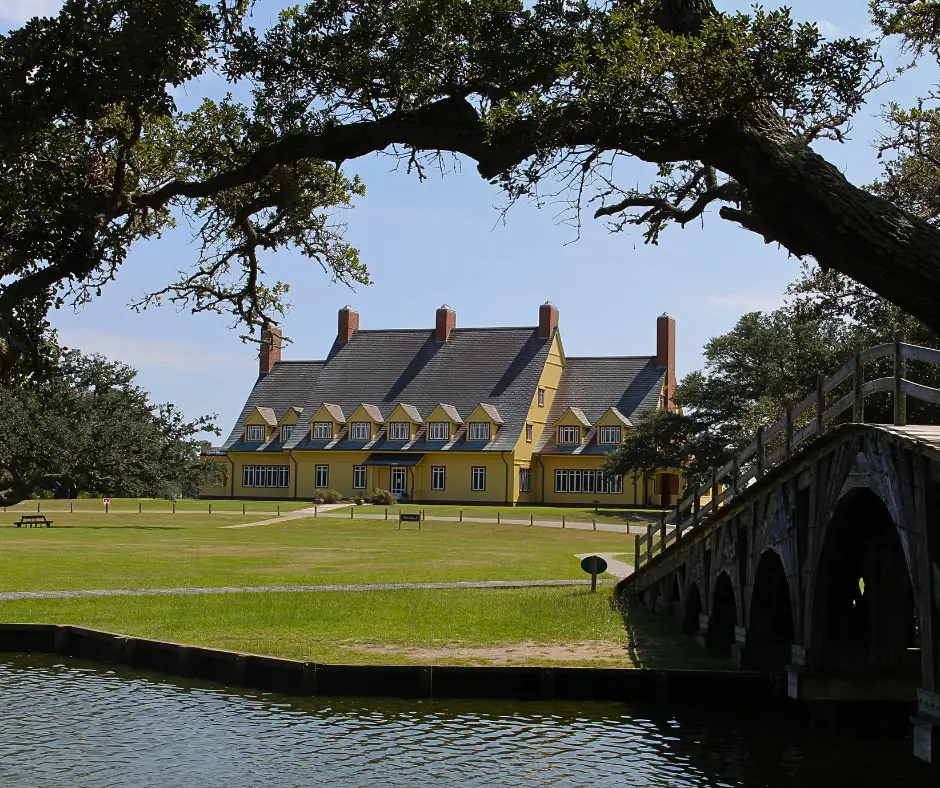
If there is one stop in Corolla that absolutely cannot be missed, it is Whalehead. This stunning Art Nouveau mansion was built in the 1920s as a private hunting club by Edward Collings Knight Jr. for his wife, Marie Louise, who was famously turned away from the all-male hunting clubs in the area. Rather than accept that, Knight built her the grandest club on the Banks — and the result is breathtaking.
Perched on the shores of Currituck Sound, Whalehead is painted a soft canary yellow with copper accents that have turned a beautiful verdigris green over the decades. It’s an icon of the area, and for good reason. Guided tours take visitors through the fully restored interior, where the attention to detail is remarkable — from the Tiffany-style light fixtures to the original Art Nouveau ironwork. This love is coming from someone who is not a history OR art lover, so you know it’s worth it. Check the website for tour availability.
The grounds are equally beautiful, and the surrounding Currituck Historical Park makes it a wonderful place to spend an afternoon. Events and exhibits rotate throughout the season, so there is always a reason to come back.
2. Explore the Wright Brothers National Memorial
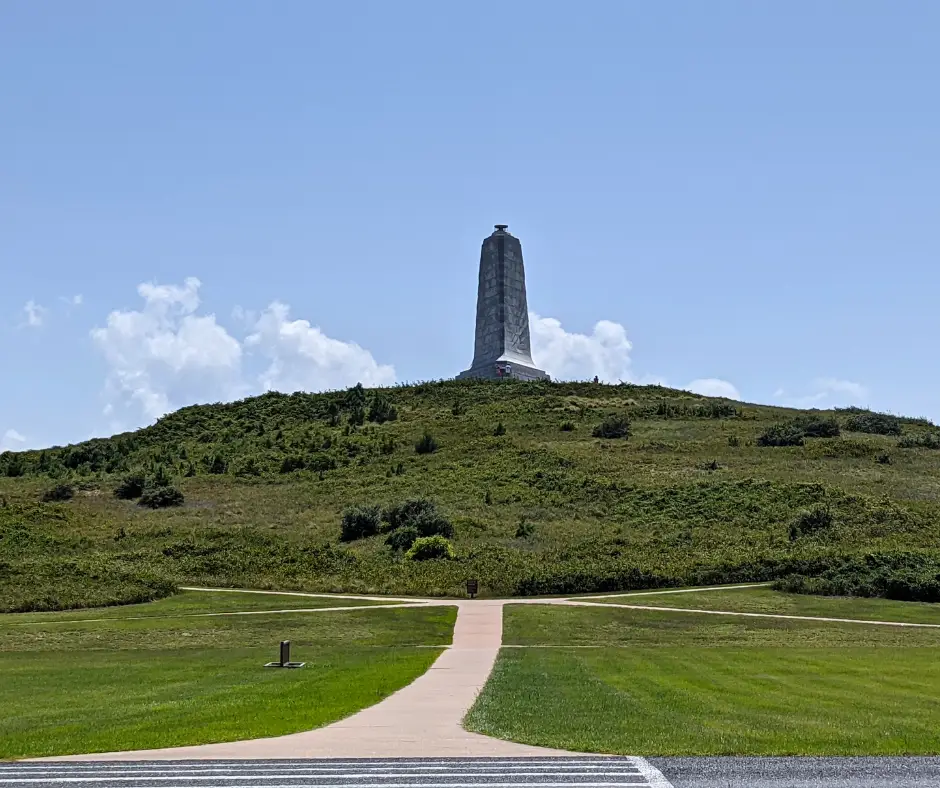
There is something genuinely moving about standing on the very ground where human flight became possible. The Wright Brothers National Memorial in Kill Devil Hills marks the site where Orville and Wilbur Wright made their historic first powered airplane flight on December 17, 1903 — and visiting it never gets old. As a travel lover, I’m on planes a lot, so seeing where flight began was powerful.
The granite monument sits atop Big Kill Devil Hill, the very dune the brothers used for their glider experiments. Down below, markers on the ground show exactly how far each of the four flights that day traveled — the longest covering 852 feet in 59 seconds. Standing there and imagining what that moment must have felt like is something that hits differently every time.
The visitor center houses excellent exhibits on the brothers’ journey from Dayton, Ohio, bicycle shop owners to aviation pioneers. Rangers lead talks throughout the day, and if visiting in December, the First Flight Society hosts a special commemoration ceremony on the anniversary of that world-changing day.
3. Explore the Outer Banks Center for Wildlife Education
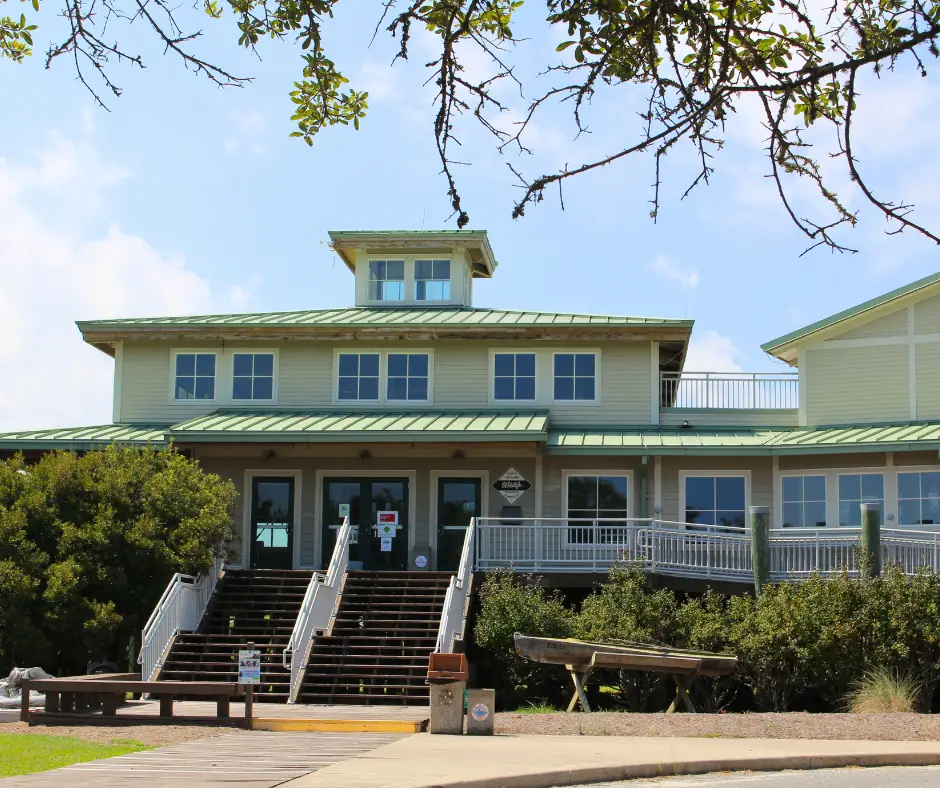
Located in Corolla near the Currituck Beach Lighthouse, the Outer Banks Center for Wildlife Education is a gem that often gets overlooked in favor of the bigger attractions — but it absolutely deserves a spot on the itinerary.
The center focuses on the incredible natural ecosystems of the Outer Banks, with exhibits covering the diverse wildlife that calls this region home. From migratory waterfowl and shorebirds to native fish species and coastal habitats, the displays are both educational and beautifully presented. It is a wonderful place to gain a deeper appreciation for the natural environment that makes OBX so special before heading out to explore it firsthand.
Admission is free, making it an easy and worthwhile stop, especially for families with kids who want to learn about the wildlife they might spot on the beach or in the sound. If you happen to get a rainy day while visiting the Outer Banks, this is a great stop (and partner it with a visit to the new Corolla Maritime Museum nearby!)
4. Climb Jockey’s Ridge, State Park
Jockey’s Ridge is one of those places that surprises people every single time, even those who have been before. As the tallest natural sand dune system on the East Coast — reaching heights of up to 80 feet — it is an unexpected and dramatic landscape sitting right in the middle of the Outer Banks.
Hiking to the top is a workout in the loose sand, but the panoramic views from the summit are absolutely worth every step. On a clear day, both the Atlantic Ocean and the Currituck Sound are visible from the top, stretching out in opposite directions in a view that perfectly captures the narrow geography of these barrier islands.
Jockey’s Ridge is also a legendary spot for hang gliding. Kitty Hawk Kites, located right next to the park, has been offering hang gliding lessons here for decades, and watching colorful gliders soar off the dunes is a spectacle in itself. Lessons are available for all skill levels, and first-timers are always welcome.
Plan to be at the top for sunset. It is one of the single best sunset views on the Outer Banks, full stop
One of the most magical experiences the Outer Banks has to offer is catching a glimpse of the wild Colonial Spanish Mustangs that roam the beaches and marshes of the northern 4WD areas above Corolla. These horses are believed to be descendants of Spanish mustangs brought to the New World in the 1500s, and seeing them run free along the shoreline is a sight that never loses its wonder.
The only way to reach them is by 4WD vehicle — the paved road ends in Corolla, and from there it is open beach driving to reach the horses’ territory. Several outfitters in Corolla offer guided wild horse tours in open-air vehicles, which is highly recommended both for the knowledge the guides bring and for the off-road access they provide.
A few important things to keep in mind: these are wild animals, and there are strict laws about approaching or feeding them. Observe from a respectful distance, bring a good zoom lens, and let them do their thing. The experience is all the more powerful for it.
5. Hunt for Wild Horses in Corolla
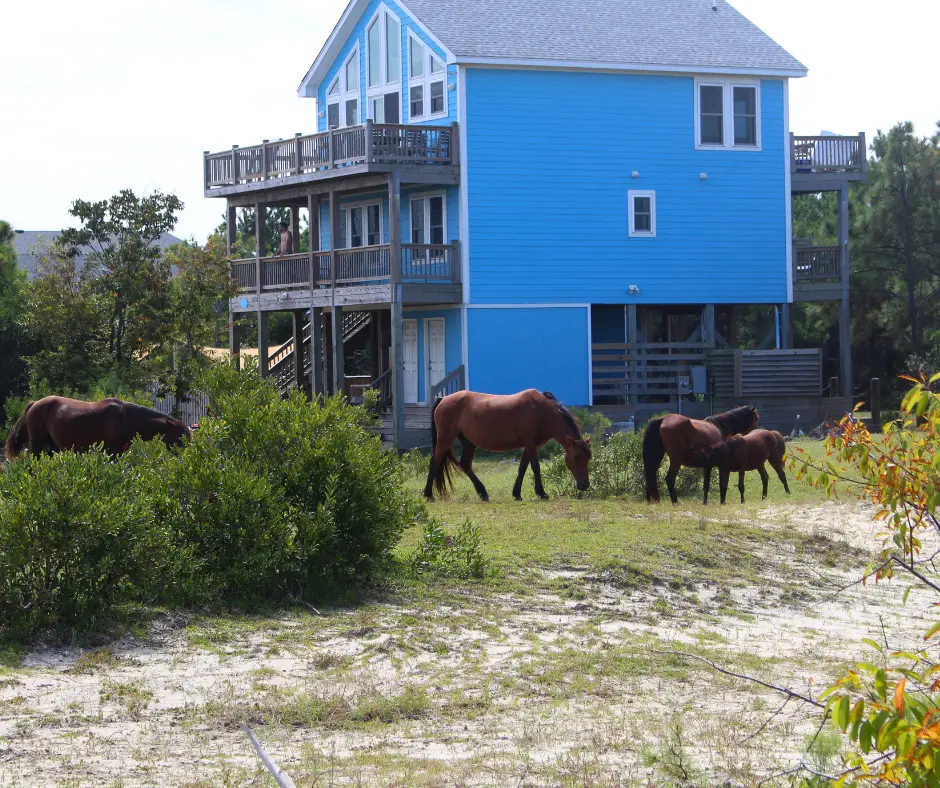
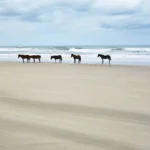
One of the most magical experiences the Outer Banks has to offer is catching a glimpse of the wild Colonial Spanish Mustangs that roam the beaches and marshes of the northern 4WD areas above Corolla. These horses are believed to be descendants of Spanish mustangs brought to the New World in the 1500s, and seeing them run free along the shoreline is a sight that never loses its wonder.
The only way to reach them is by 4WD vehicle — the paved road ends in Corolla, and from there it is open beach driving to reach the horses’ territory. Several outfitters in Corolla offer guided wild horse tours in open-air vehicles, which is highly recommended both for the knowledge the guides bring and for the off-road access they provide. Just be aware that the horses are typically back within houses. When I went, I thought they were more on the beach, not in people’s backyards.
A few important things to keep in mind: these are wild animals, and there are strict laws about approaching or feeding them. Observe from a respectful distance, bring a good zoom lens, and let them do their thing. The experience is all the more powerful for it.
6. Visit Cape Hatteras National Seashore
Cape Hatteras National Seashore stretches for 70 miles along the barrier islands of Hatteras and Ocracoke, and it represents the Outer Banks at its most raw and unspoiled. Miles and miles of undeveloped beach, open dunes, maritime forest, and pristine shoreline make this one of the most beautiful stretches of coastline in the entire country.
Swimming, surfing, fishing, shelling, birdwatching — all of it happens here, and all of it is spectacular. The seashore is also home to nesting sea turtles during the summer months, and the National Park Service monitors and protects nesting sites throughout the season.
One of the best things about the national seashore is the sheer amount of space. Even during peak summer weekends, it is possible to find a quiet stretch of beach by driving a few miles past the main access points. Pack a cooler, bring an umbrella, and settle in for a long, glorious beach day.
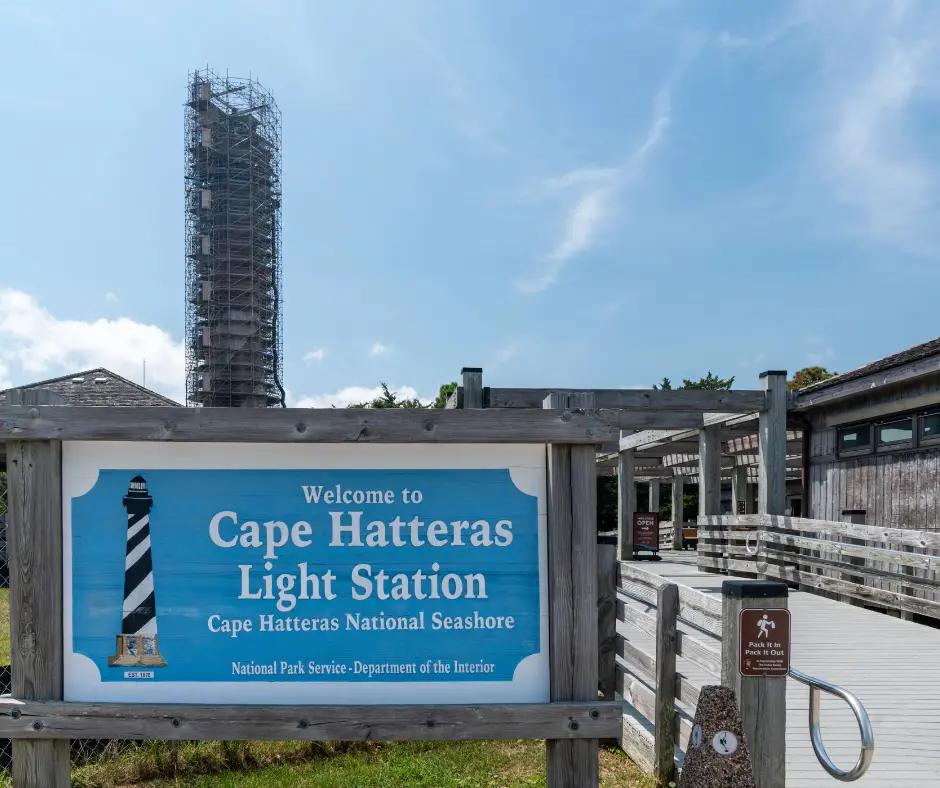
7. Climb the Cape Hatteras Lighthouse (or any lighthouse, really)
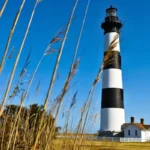
At 198.6 feet tall, Cape Hatteras Lighthouse is the tallest brick lighthouse in the United States — and climbing it is one of the most rewarding experiences on the Outer Banks. The iconic black-and-white spiral pattern makes it instantly recognizable, and it has stood as a guardian over the treacherous “Graveyard of the Atlantic” since 1870.
The climb involves 257 steps, and it is not for those with a fear of heights or tight spaces — the staircase winds up through the interior in a series of tight switchbacks. But the view from the top is extraordinary, with the Atlantic stretching endlessly to the east and Pamlico Sound shimmering to the west.
The lighthouse is only open for climbing during certain months, typically April through October, so check the National Park Service schedule before planning a visit. If you can’t make it to the southern Outer Banks, you can check out some of the other lighthouses and climb them instead.
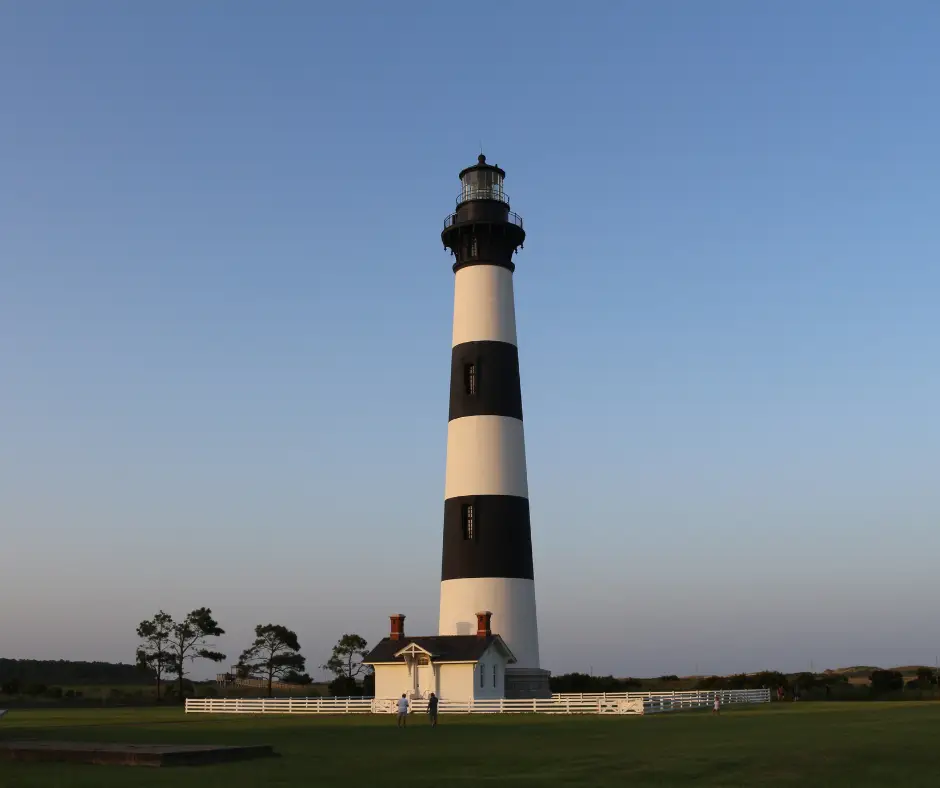
8. Take a Ferry to Ocracoke Island
Ocracoke Island is the kind of place that feels like a secret, even though it is not. Accessible only by ferry or private boat, this small, unhurried island sits at the southern end of the Outer Banks and operates on its own quiet rhythm entirely separate from the more developed northern beaches.
The ferry ride from Hatteras Inlet is free and takes about an hour — and the journey itself, crossing the open water with dolphins sometimes visible alongside the boat, is part of the experience. The village of Ocracoke is charming and walkable, filled with locally owned shops, art galleries, and some of the best seafood restaurants on the Banks.
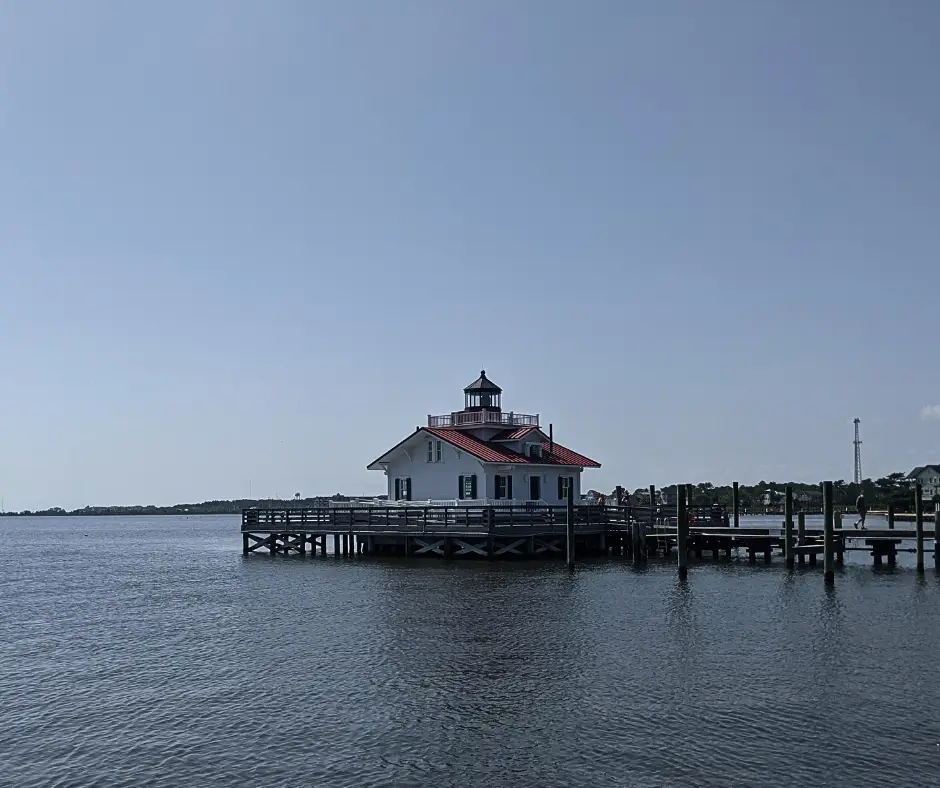
Ocracoke also carries a fascinating layer of pirate history. The notorious Blackbeard — Edward Teach — was killed in a battle in Ocracoke Inlet in 1718, and the island leans into that legacy in fun and interesting ways. The Ocracoke Lighthouse, the second oldest operating lighthouse in the United States, is also worth a visit.
Plan to spend a full day here, or better yet, stay overnight and experience the island after the day-trippers leave.
9. Explore the Lost Colony & Elizabethan Gardens at Fort Raleigh
The story of the Lost Colony is one of America’s greatest unsolved mysteries, and it unfolded right here on Roanoke Island. In 1587, a group of English settlers established a colony on the island — the first English settlement in the New World — and by 1590, every single colonist had vanished without a trace. The only clue left behind was the word “CROATOAN” carved into a post.
Fort Raleigh National Historic Site preserves the site of the original settlement and offers a thoughtful visitor center exploring what is known — and what remains unknown — about the colonists’ fate. It is genuinely fascinating history.
During the summer months, The Lost Colony outdoor drama has been performed here since 1937, making it the longest-running outdoor symphonic drama in the United States. Watching the story unfold under the open sky on the same land where it actually happened is an experience unlike any other.
Right next door, the Elizabethan Gardens are a beautiful and serene escape — 10 acres of formal English gardens that are stunning in any season. It’s such a peaceful escape to add to any vacation!

10. Surf or Take a Surf Lesson
The Outer Banks has a well-earned reputation as one of the premier surf destinations on the East Coast, and getting in the water is something that should absolutely be on the agenda. The combination of Atlantic swell, consistent wind, and varied breaks means there are waves for every skill level, from gentle rollers perfect for beginners to serious overhead swells that draw experienced surfers from around the region.
Top surf spots include Rodanthe, known for its consistent and powerful waves; the pier breaks at Nags Head; and the legendary Cape Point at Cape Hatteras, which produces some of the most powerful surf on the Eastern Seaboard.
For those who have never surfed before, lessons are widely available throughout the Banks. Most surf schools offer beginner group lessons that have people standing on a board and riding their first wave within a couple of hours. It is one of those experiences that produces the biggest smiles of any beach trip.
11. Go Kayaking, Paddleboarding, or Jet Skiing on the Sound
While the ocean gets most of the attention, the sound side of the Outer Banks is a completely different — and equally wonderful — world. The shallow, calm waters of Currituck Sound, Roanoke Sound, and Pamlico Sound are ideal for kayaking and paddleboarding, offering a peaceful contrast to the energy of the Atlantic.
Paddling through the marshes reveals a side of OBX that most visitors never see. Great blue herons stand motionless in the shallows, osprey circle overhead, and dolphins occasionally make an appearance in the wider stretches of open water. It is tranquil, beautiful, and deeply connected to the natural environment.
Rental shops and guided eco-tours are available at multiple locations throughout the Banks. Sunset paddleboard tours on the sound are particularly magical — the light turns golden and pink over the water, and the whole experience feels like something out of a dream.
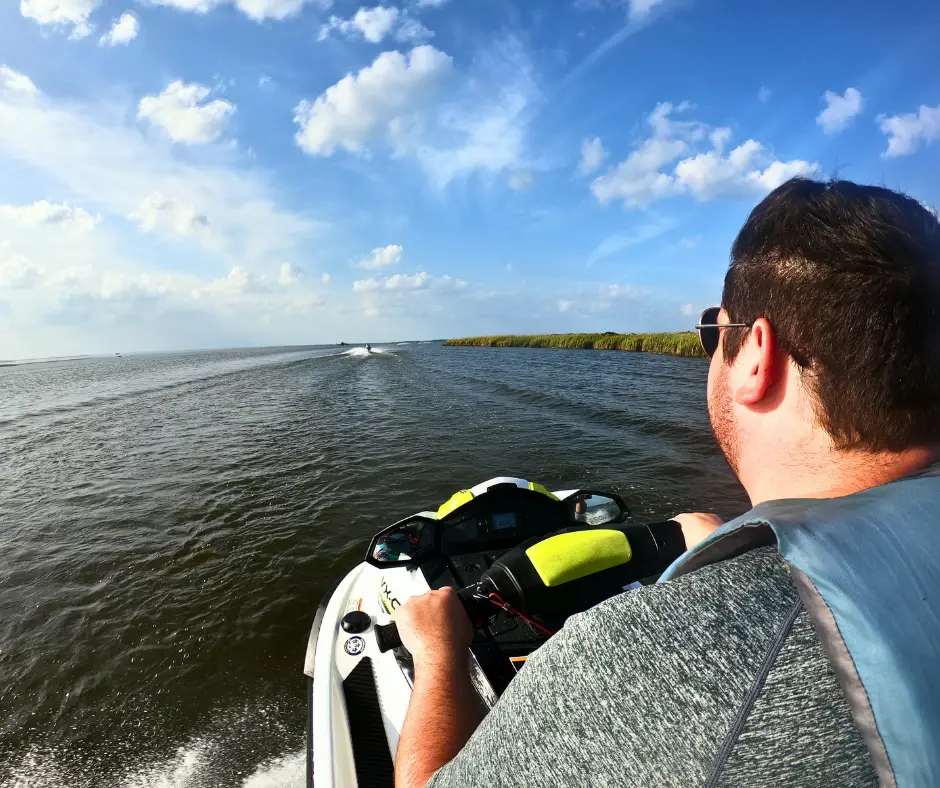
If you prefer to get your heart racing, why not do a jet ski safari tour? We raced over waves and still got to learn about the history of the area from our guides – it’s a win win!
12. Visit the North Carolina Aquarium on Roanoke Island
Located in Manteo on Roanoke Island, the North Carolina Aquarium is one of the best family-friendly attractions on the Outer Banks and a perfect option for a rainy day — though honestly, it is worth visiting even on a perfect beach day.
The aquarium focuses on the marine life and aquatic ecosystems of the North Carolina coast, with exhibits covering everything from freshwater rivers to the open ocean. The centerpiece is a massive saltwater tank populated with sharks, rays, sea turtles, and a dazzling array of fish species. Touch tanks allow visitors to interact with horseshoe crabs, stingrays, and other coastal creatures up close.
The sea turtle program at the aquarium is particularly meaningful. Staff rehabilitate injured and sick sea turtles with the goal of returning them to the wild, and the chance to learn about that work — and sometimes see the turtles in recovery — is genuinely moving.
13. Fish or Shrimp from the Pier or Charter a Boat
Fishing is in the DNA of the Outer Banks, and for good reason. These waters are among the most productive fishing grounds on the entire East Coast, sitting at the convergence of the warm Gulf Stream and cooler northern currents that bring together an extraordinary diversity of species.
Surf fishing along the national seashore is free and accessible to anyone with a rod and a license. Red drum, bluefish, striped bass, and flounder are common catches depending on the season. Several piers along the Banks — including Hatteras Island’s iconic pier — offer platform fishing over deeper water.
For those looking for a more serious offshore adventure, the charter fishing scene out of Hatteras Village and Oregon Inlet is world-class. Bluefin tuna, mahi-mahi, wahoo, and marlin (catch-and-release only) are all on the menu depending on the time of year.
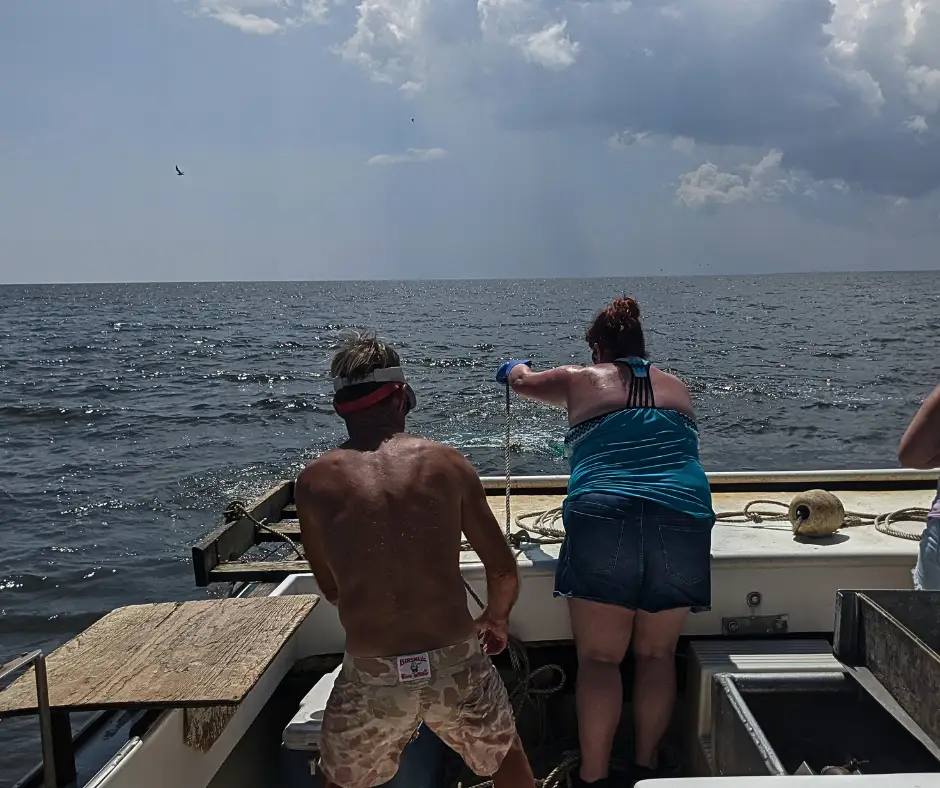
If you’re a regular fisherman, you can try something different and go shrimping! I had never done it before, and it was quite the learning experience. It was very different than fishing; not sure I’ll do it again, but glad I did it once!
Even for non-fishers, a day on the water offshore is an unforgettable experience.
14. Explore Manteo’s Waterfront
Manteo is one of those towns that makes the Outer Banks feel like more than just a beach destination. The small downtown waterfront on Roanoke Island is utterly charming — lined with independently owned shops, galleries, and restaurants, it has the feel of a genuine working waterfront community rather than a tourist strip.
Spend a morning wandering the docks, popping into the local bookstore, or browsing the art galleries that showcase the work of talented local artists. The restaurants in Manteo consistently rank among the best dining on the Banks, with fresh seafood and creative menus that reflect the character of the place.
In the evenings, the waterfront comes alive with live music and the warm glow of string lights over the water. It is exactly the kind of place that is easy to linger in for far longer than originally planned.
15. Watch the Sunrise or Sunset on the Beach
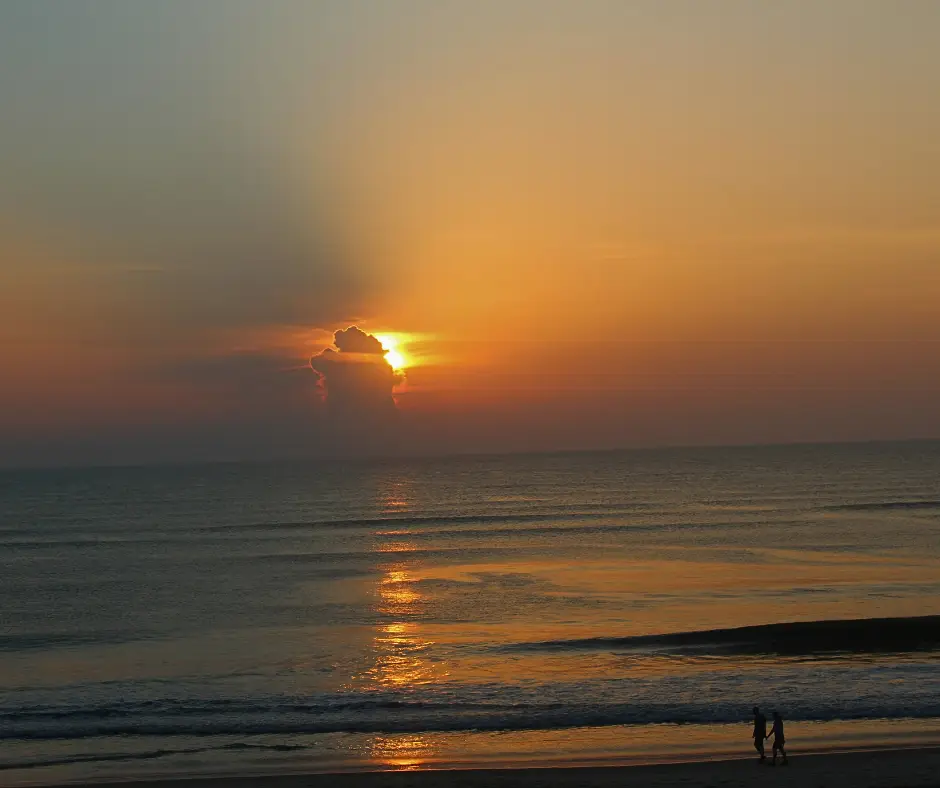
One of the most underrated luxuries of the Outer Banks is its geography. Because OBX is a narrow chain of barrier islands, it is possible to watch the sun rise over the Atlantic Ocean and set over the sound — all in the same day, without getting in a car.
Sunrise on the Atlantic side of the Banks is extraordinary. The horizon is completely unobstructed, and the light that emerges is soft, golden, and worth every early alarm. Cape Point at Cape Hatteras and the beaches of Nags Head are particularly beautiful in the early morning hours.
Sunset belongs to the sound side. Jockey’s Ridge offers a sweeping elevated view, while the waterfront in Duck and the docks in Manteo put you right at water level as the sky turns shades of orange, pink, and purple over the sound. It is the kind of daily moment that, after enough visits, starts to feel like a ritual.
16. Visit the Chicamacomico Life-Saving Station
Located in Rodanthe, the Chicamacomico Life-Saving Station is one of the most complete and well-preserved examples of a United States Life-Saving Service station in the country — and it tells a story about the Outer Banks that most visitors know nothing about.
Before the Coast Guard existed, the Life-Saving Service stationed crews of surfmen at stations along the most dangerous stretches of coastline in America. The waters off Hatteras Island were among the deadliest, and the men stationed at Chicamacomico risked their lives regularly to rescue sailors from ships wrecked on the notorious Diamond Shoals offshore.
The station complex includes several historic buildings that have been beautifully restored, and exhibits inside tell the stories of the dramatic rescues that took place here. During the summer months, reenactments of the legendary Breeches Buoy rescue drill are performed on the grounds — a living history experience that is both theatrical and genuinely educational.
17. Dine on Fresh Local Seafood
No trip to the Outer Banks is complete without sitting down to a proper OBX seafood meal, and the options are plentiful and delicious. This is a place where the seafood is genuinely local — and the difference in freshness and flavor is immediately apparent.
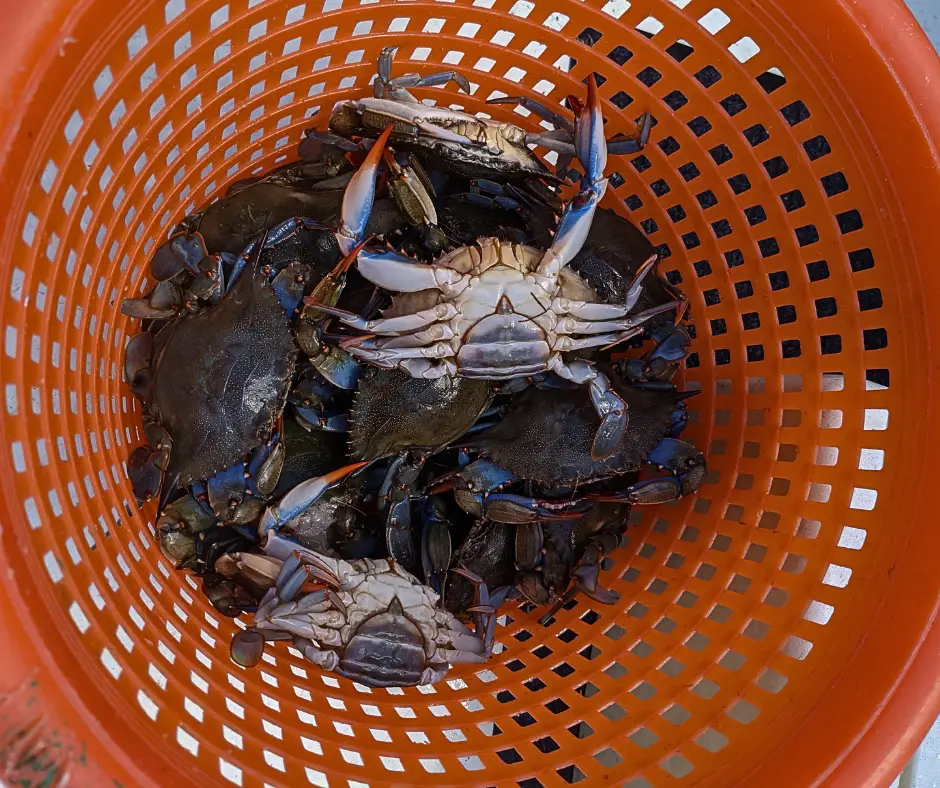
Steamed blue crabs seasoned with Old Bay, peel-and-eat shrimp, fresh-catch fish tacos, oysters on the half shell, and clam chowder with a coastal North Carolina twist are all staples worth seeking out.
For dining, the towns of Duck, Manteo, and Ocracoke consistently deliver the best experiences, balancing quality ingredients with authentic local atmosphere. Do not overlook the smaller, less flashy spots either — some of the most memorable meals on the Banks come from the no-frills seafood shacks that have been feeding locals for generations.
Tips for Planning Your OBX Trip
When to Go: Late spring (May–early June) and early fall (September–October) offer the best combination of warm weather, smaller crowds, and lower rental prices. Summer is peak season and the beaches are beautiful, but plan ahead — rental homes book up months in advance.
Getting Around: A car is essential on the Outer Banks. For exploring the northern 4WD beaches above Corolla, renting or bringing a properly equipped 4WD vehicle with the ability to air down the tires is necessary. Many local outfitters rent 4WD vehicles and off-road equipment.
Where to Stay: The northern beaches — Corolla, Duck, and Southern Shores — tend to be quieter and more upscale. Nags Head and Kill Devil Hills are centrally located and convenient to most major attractions. Hatteras Island offers the most immersive experience for those who want to be deep in the national seashore.
What to Pack: Sunscreen, a good beach umbrella, reef shoes for rocky areas near the piers, and a light jacket for evenings on the sound are all worth bringing. Bug spray is essential if spending time near the marshes, particularly at dawn and dusk.
Final Thoughts
The Outer Banks has a way of making every visit feel like the first time while also feeling like coming home. Our yearly visits have been a relaxing getaway filled with memories and good food. Whether it is the first trip down Highway 12 or the twentieth, something about this place — the light, the wildness, the history, the pace — gets under the skin and stays there.
Pack the car, leave the schedule loose, and let the Banks do what it does best. There is a reason people come back year after year — and once you experience it for yourself, you will completely understand why.
Save “Best Things to do in the Outer Banks, North Carolina” for Later



About the Author
Read More About North Carolina


Have You Seen These Yet?


Hey there! I’m Pamela. Just a woman who has fallen in love with getting lost around the world. I’ve traveled to 42 countries across 7 continents.
My mission? To inspire you to ‘let the bucket list flow’ and see what the world has to offer.
My promise: All of my photos are not edited. What you see is what you get.
Join a small-group safari to Kenya & Uganda!
- Go trekking and get close to gorillas and chimpanzees
- See the big 5 Safari Animals
- See The Great Migration
- Sunrise hot air balloon ride and champagne breakfast included
- Maximum of 12 guests
Capital Cities book

- Discover the world through this 258 page book covering 118 cities
- 3 photos by me!
- Perfect as a gift or for your coffee table
Travel Shop
- Accommodation Comparison Excel
- Printable Bucket Lists
- Travel Planning Resources
- & More!
Leave a Reply