

5 Best Cultural Experiences in South Korea that Will Stay with Me Forever
South Korea, Asia / July 2, 2026 / Be the first to comment
South Korea is often celebrated for its fast-paced cities, beautiful palaces, skincare, and incredible food. But some of the most memorable moments come from slowing down and experiencing the country through its people, traditions, and everyday rituals.
From the coast of Busan to a quiet temple tea room, these were the cultural experiences in South Korea that stayed with me long after the trip ended. They weren’t just activities to check off an itinerary. They were the moments that made the country feel personal, layered, and unforgettable.
This was part of a custom trip hosted by Intrepid Travel. This post is not sponsored by them in any way, and my opinions are all my own. If you’re interested in learning more (or booking) a trip with them, let’s chat!
This post contains affiliate links. This means if you purchase something from a link, I may make a small commission, at no cost to you. This helps me keep the site running and free.
If you like this post, be sure to sign up for my e-mail list for travel inspiration & tips, or connect with me on Facebook, Instagram, Twitter, BlueSky, Threads, or Pinterest. I also have a Facebook group where you can ask me anything travel related – and I share travel deals!
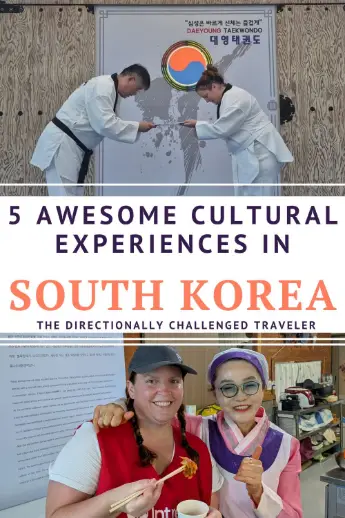
1. Talking With a Haenyeo (Sea-Woman Diver) in Busan
One of my favorite travel experiences in South Korea happened by the water in Busan, with the scent of salt in the air and fishing boats rocking gently in the background.
I had the chance to speak with a sea-woman diver, and it completely changed the way I looked at the coast. She carried the kind of quiet confidence that comes from a lifetime of hard work and deep familiarity with the sea. As we talked, she described the demands of diving, the discipline it requires, and the pride she feels in preserving a tradition rooted in resilience and skill.
What stayed with me most was her relationship with the ocean. It wasn’t romanticized. It was respectful, practical, and deeply lived. Listening to her made me realize that coastal travel in South Korea is about much more than scenic views or seafood markets. It’s also about the people whose daily lives are shaped by the water.
That conversation turned Busan from a beautiful destination into a place with a human story behind it.
Travel tips
- Best for: Travelers interested in local culture, coastal traditions, and meaningful conversation
- Where to try it: Fishing areas, local tours, and community-based cultural experiences in Busan
- Best time to go: Early morning for the most authentic atmosphere
- Practical tip: A local guide or interpreter can make the experience much richer
- Etiquette tip: Always ask before taking photos, especially in working environments
- Recommended tour: Exclusive Encounter with a Real Haenyeo
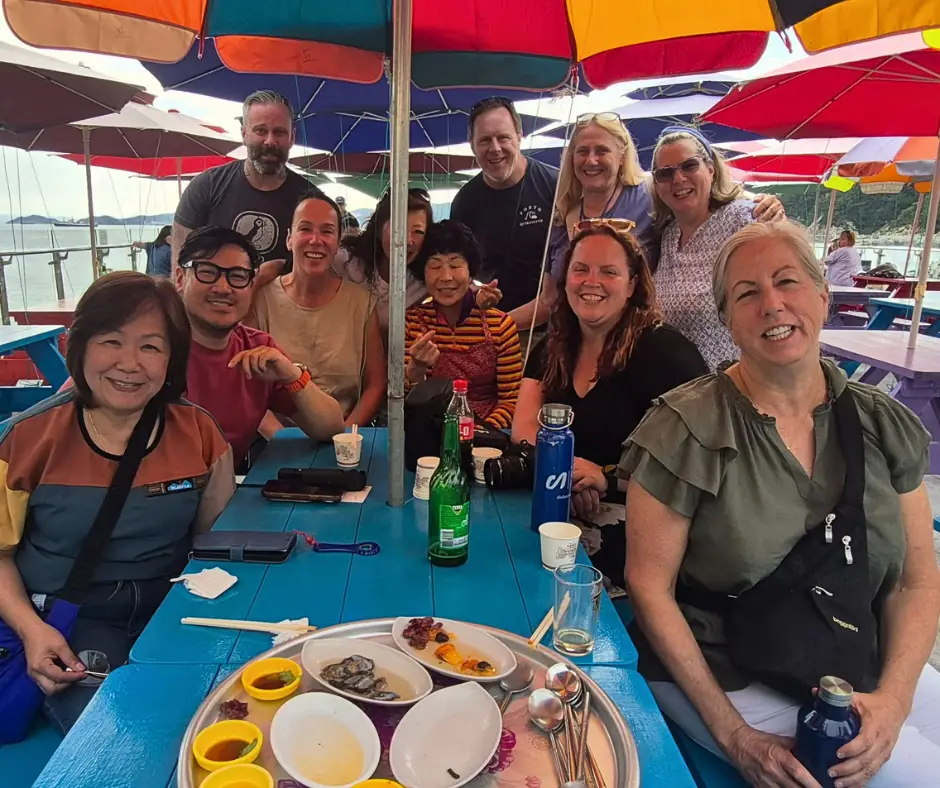
2. Having Tea With a Monk
If Busan felt energetic and open to the sea, the temple experience felt like stepping into stillness.
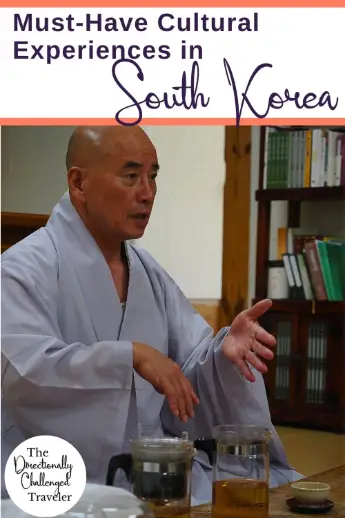
Having tea with a monk was one of the most peaceful things I did in South Korea. After days of city movement, bright lights, and packed schedules, the quiet of the temple felt almost surprising. The room was simple, the tea was delicate, and the pace of the interaction invited me to slow down in a way travel rarely does.
The monk spoke gently about mindfulness, gratitude, and the value of paying attention. Nothing was rushed. Even the smallest gestures felt intentional. The tea itself was lovely, but the real experience was the atmosphere around it: silence, presence, and the rare feeling of not needing to be anywhere else.
We got to ask him questions about his practice and life. I asked him about his favorite Buddhist lesson. He answered that everything in the world is created by our mind. He told me to close my eyes and sit in the nothingness. When I slowly open my eyes, the world starts to exist because of my brain and mind. As someone who has anxiety, this was a really profound idea and one that I’ll bring to my future meditations.
For anyone looking for authentic experiences in South Korea, this is one of the most grounding options. It offers a side of the country that feels deeply connected to reflection and tradition.
Travel tips
- Best for: Travelers seeking calm, mindfulness, and a deeper cultural connection
- Where to try it: Temple stay programs and cultural tea experiences
- Best time to go: Weekdays or off-peak seasons for a quieter visit
- Practical tip: Check whether English-language programs are available in advance
- Etiquette tip: Dress modestly, speak softly, and follow temple customs carefully
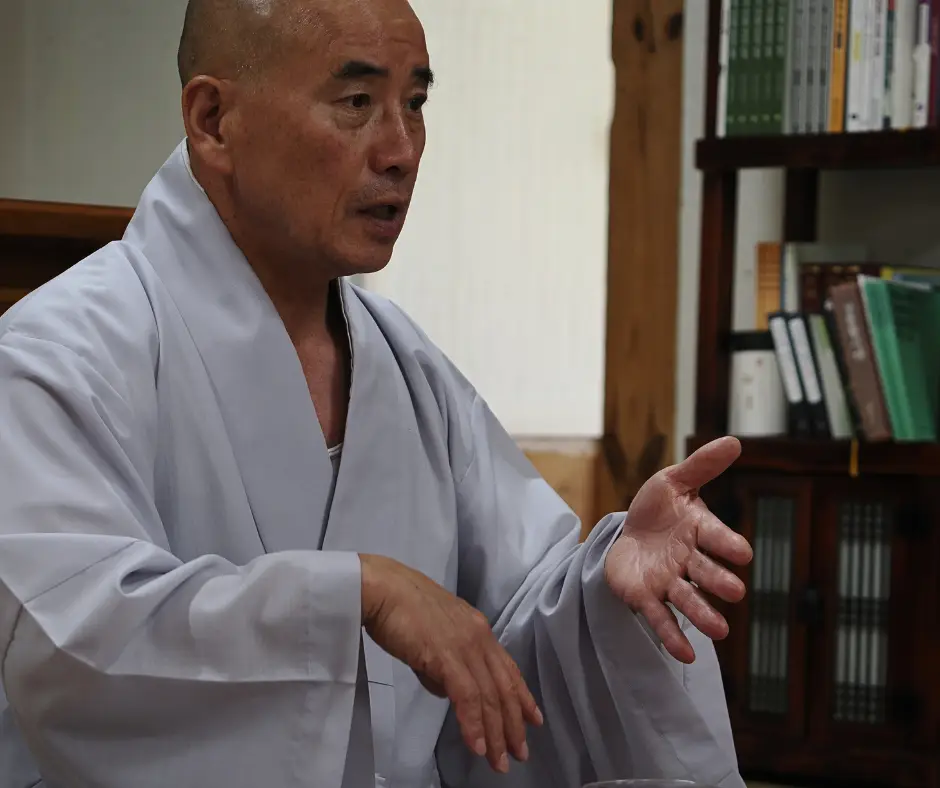
3. Making Kimchi With a Kimchi Master
If there is one food experience to prioritize in South Korea, making kimchi should be near the top of the list.
I joined a kimchi-making session led by a kimchi master, and it gave me a whole new appreciation for one of Korea’s most iconic foods. Before that, kimchi was something I loved eating with nearly every meal. Afterward, I understood it as something much bigger: a tradition shaped by care, technique, memory, and family history.
The room smelled of garlic, ginger, and chili. Cabbages were arranged neatly, and bowls of seasoning were ready to be mixed and layered by hand. The kimchi master explained how much balance goes into the process, from flavor and texture to timing and fermentation. Then came the fun part: actually coating the leaves, working the seasoning in, and getting completely messy in the process.
There was something deeply satisfying about learning by doing. It felt less like a cooking class and more like an invitation into Korean food culture itself.
For food lovers planning a trip, this is one of the best cultural experiences in South Korea because it connects taste with tradition in such a direct, memorable way.
Travel tips
- Best for: Food travelers, cooking enthusiasts, and culture-focused visitors
- Where to try it: Cooking studios and food culture centers in Seoul and other major cities
- Best time to go: Any time of year
- Practical tip: Wear clothes that can handle a little chili paste
- Etiquette tip: Follow the instructor’s steps before touching ingredients
- Bonus tip: Bring a tote bag if the class includes take-home kimchi
- Recommended Tours: Kimchi class is Seoul, Kimchi making & Market tour
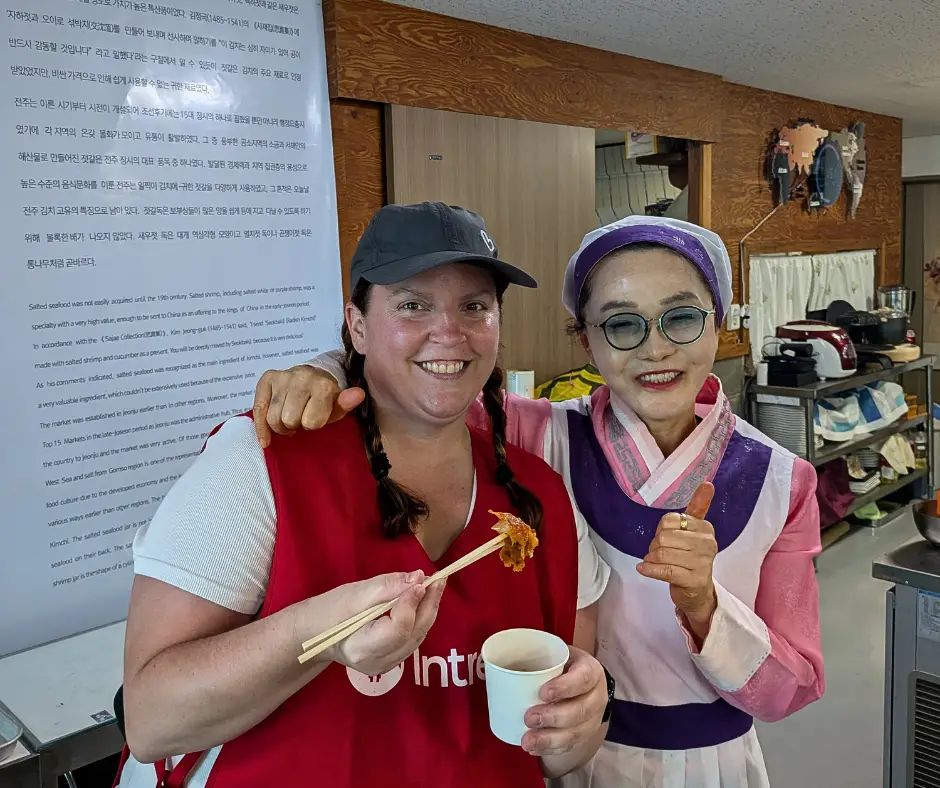
4. Learning Taekwondo
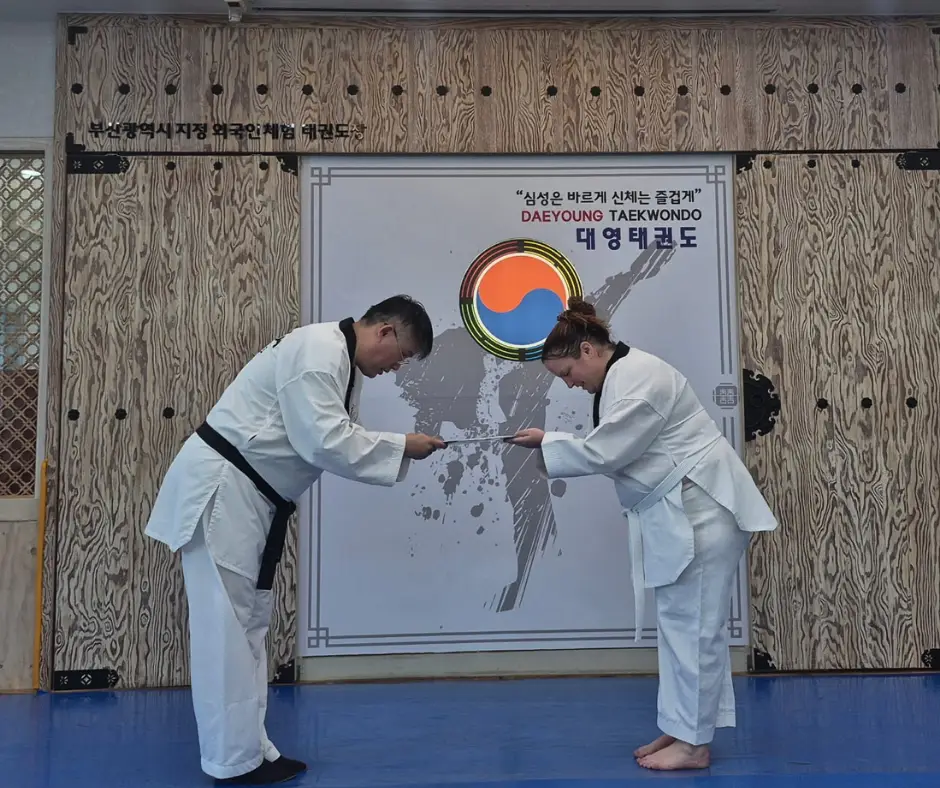
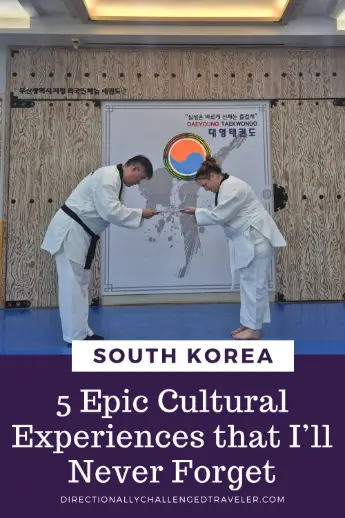
Taekwondo is one of the most recognizable parts of Korean culture around the world, but trying it in South Korea made it feel completely different.
The moment I entered the training hall, I could sense that taekwondo was about much more than physical technique. There was structure, focus, and discipline built into every part of the class. I learned a few basic stances and kicks, and even at a beginner level, it was obvious how much precision and self-control the practice requires.
What surprised me most was how mentally engaging it was. Every movement demanded attention. Every correction mattered. Taekwondo didn’t feel like random motion or brute strength. It felt purposeful. Our teachers taught us why we were learning the motions.
Don’t get me wrong, as a group of twelve, we had a lot of fun making fun of ourselves. We encouraged each other, challenged ourselves, and laughed with our teachers.
Travel tips
- Best for: Active travelers and anyone interested in Korean martial arts
- Where to try it: Taekwondo academies, cultural centers, and beginner workshops
- Best time to go: Year-round, since most sessions are indoors
- Practical tip: Book a beginner-friendly class if it’s your first experience
- Etiquette tip: Arrive on time, follow the instructor closely, and respect studio customs
- What to wear: Comfortable athletic clothes unless a uniform is provided
- Recommended Activities: Taekwondo Class in Daegu, Traditional Taekwondo Class in Seoul
5. Embracing Korean Street Food Culture
No list of the best things to do in South Korea would be complete without street food.
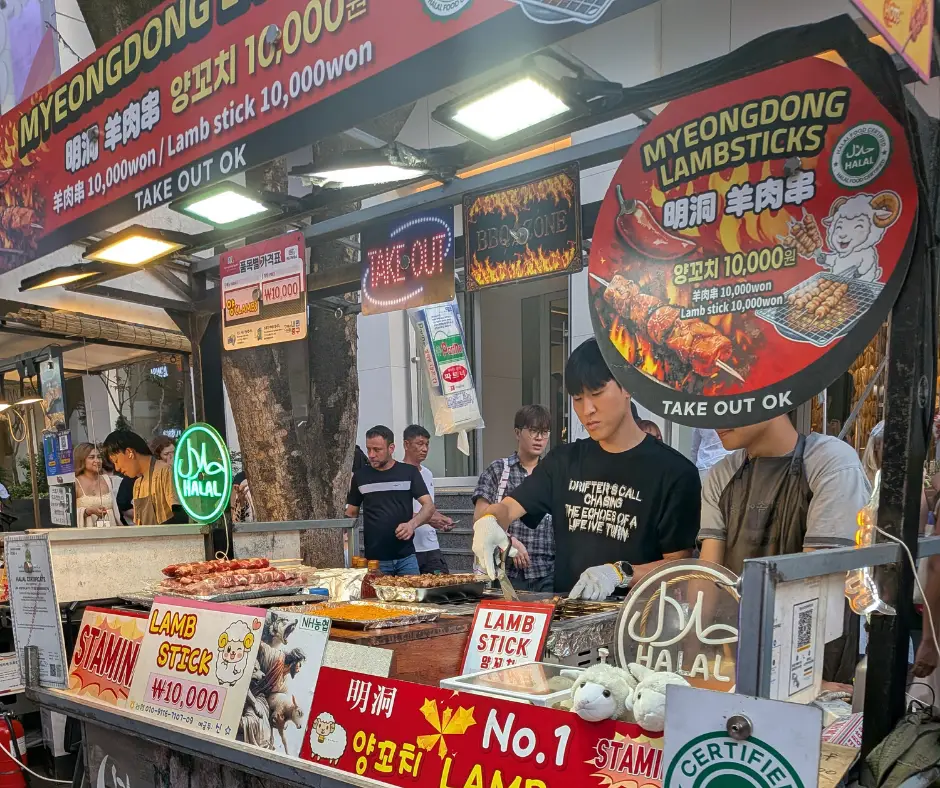
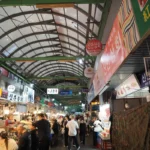
Some of my happiest travel memories came from wandering through markets in the evening, drawn in by steam, sizzling pans, and the scent of something delicious I hadn’t tried yet. Korean street food is one of the easiest and most enjoyable ways to experience local life. It’s fast, social, affordable, and full of flavor.
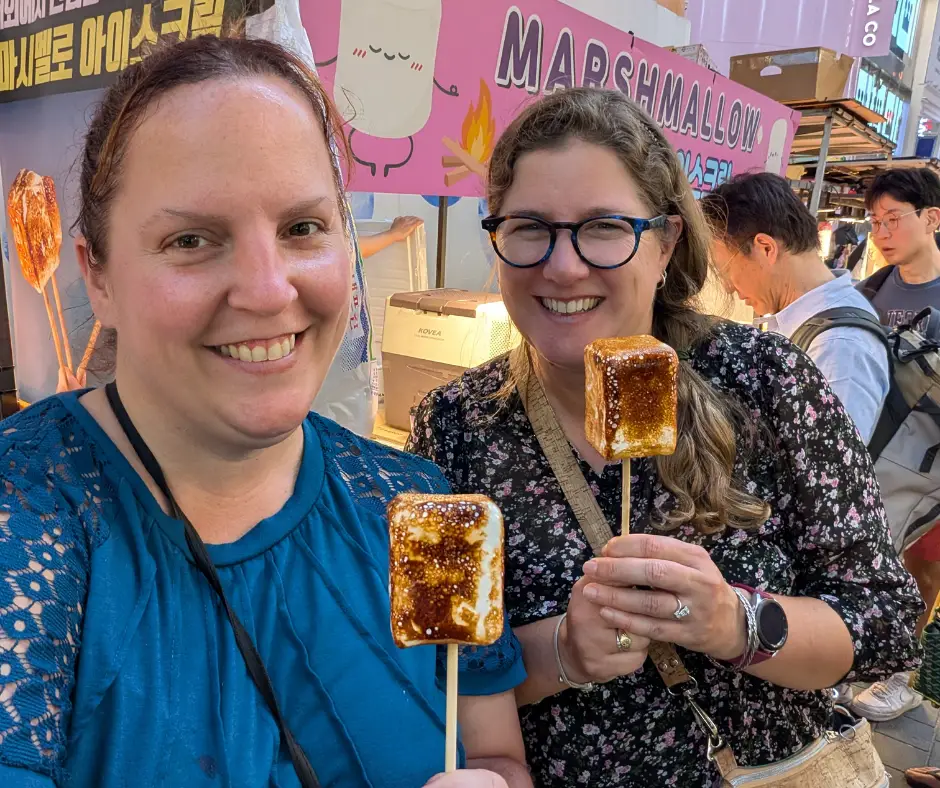
I ate Korean garlic bread, sweet hotteok, fish cake soup, gimbap, fried snacks, and anything else that caught my eye. Every stall seemed to have its own rhythm and loyal customers. Some dishes were comforting, some were fiery, and some were best eaten immediately while standing under neon lights with a crowd moving around me.
What makes Korean street food culture so special is its sense of community. The booths were filled with people, and although I don’t speak a word of Korean, it felt like friends were connecting over a favorite meal. It brings together locals, students, workers, and visitors. A market feels like the heartbeat of a city.
Travel tips
- Best for: All travelers, especially food lovers
- Where to try it: Night markets, traditional markets, and busy shopping districts
- Best time to go: Evening, when the food scene feels most lively
- Practical tip: Bring cash and try multiple small dishes instead of one big meal
- Etiquette tip: Don’t block a stall while deciding what to order
- What to try: Tteokbokki, hotteok, eomuk, gimbap, twigim, and fried chicken
- Recommended Tours: Seoul Street Food Tour, Seoul Night Views & Food Tour, Busan Food Tour with Fish Market & more!
Why These Are Some of the Best Cultural Experiences in South Korea
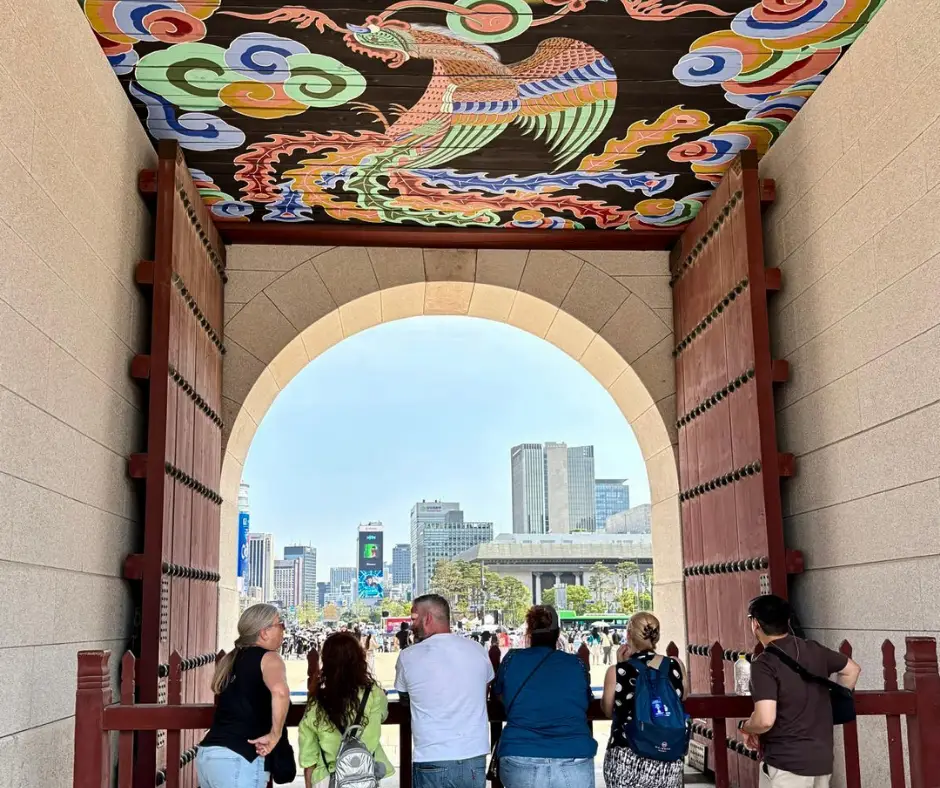
What tied all of these moments together was participation. It wasn’t just about seeing South Korea and checking places off a list. It was about engaging with it. Talking with a diver revealed the human side of the coast. Tea with a monk created space to be still. Making kimchi turned a familiar dish into a cultural story. Taekwondo made tradition feel physical and immediate. Street food brought everyday life into full view.
These are the kinds of experiences that stay with a traveler because they create connection, not just content.
FAQ: Cultural Experiences in South Korea
What are the best cultural experiences in South Korea?
Some of the best cultural experiences in South Korea include temple stays, tea with a monk, kimchi-making classes, taekwondo lessons, local market visits, and conversations with community members who preserve traditional ways of life.
Is South Korea good for experiential travel?
Yes. South Korea is excellent for experiential travel because it offers a strong mix of food culture, traditional arts, wellness experiences, martial arts, temple programs, and vibrant street life.
What food experiences should not be missed in South Korea?
Kimchi-making classes and Korean street food markets are two of the best food experiences in South Korea. They offer both flavor and insight into daily life and cultural tradition.
Can beginners try taekwondo in South Korea?
Absolutely. Many studios and cultural programs offer beginner-friendly taekwondo classes designed specifically for visitors.
Final Thoughts
South Korea impressed me in all the expected ways, but the moments I treasure most came from cultural connections. They came from saying yes to activities that felt hands-on, personal, and rooted in tradition – even if I was unsure, uncomfortable, or has NO idea what I was doing.
For anyone planning a trip, these kinds of experiences add depth to the itinerary. They make the country feel less like a list of attractions and more like a place that opens up through conversation, food, movement, and shared ritual.
That’s the version of South Korea that lasts.
Save “5 Cultural Experiences to Have in South Korea” for Later
About the Author
Read More About South Korea

Have You Seen These Yet?


Hey there! I’m Pamela. Just a woman who has fallen in love with getting lost around the world. I’ve traveled to 42 countries across 7 continents.
My mission? To inspire you to ‘let the bucket list flow’ and see what the world has to offer.
My promise: All of my photos are not edited. What you see is what you get.
Join a small-group safari to Kenya & Uganda!
- Go trekking and get close to gorillas and chimpanzees
- See the big 5 Safari Animals
- See The Great Migration
- Sunrise hot air balloon ride and champagne breakfast included
- Maximum of 12 guests
Capital Cities book

- Discover the world through this 258 page book covering 118 cities
- 3 photos by me!
- Perfect as a gift or for your coffee table
Travel Shop
- Accommodation Comparison Excel
- Printable Bucket Lists
- Travel Planning Resources
- & More!
Leave a Reply