

Free Things to Do in Busan, South Korea
Asia, South Korea / October 30, 2026 / Be the first to comment
Busan caught me completely off guard. Another bustling city, filled with crowds and people rushing? No thanks. But it’s not like a typical big city, which impressed me. Busan is South Korea’s second-largest city, but it feels nothing like a runner-up. It’s a coastal city with real personality — mountains tumbling into the sea, neon-lit beach promenades, ancient temples clinging to cliffsides, and neighborhoods so colorful they look like someone spilled a paint set over the hillside. It’s loud and peaceful at the same time. It’s historic and futuristic in the same breath.
The best part? A lot of what makes Busan so special won’t cost a single won. You can spend plenty of time in the city, stay within your travel budget, and still experience the magic.
Whether you’re a budget backpacker, a slow traveler, or just someone who believes the best things in life really are free, Busan will absolutely deliver.
This post contains affiliate links. This means if you purchase something from a link, I may make a small commission, at no cost to you. This helps me keep the site running and free.
If you like this post, be sure to sign up for my e-mail list for travel inspiration & tips, or connect with me on Facebook, Instagram, Twitter, BlueSky, Threads, or Pinterest. I also have a Facebook group where you can ask me anything travel related – and I share travel deals!
How to Navigate Busan on a Budget
Getting around Busan is genuinely easy and affordable. The single best thing you can do before exploring is grab a T-Money card. You can pick one up at any convenience store (GS25, CU, 7-Eleven) or at airport and metro kiosks for around ₩2,500, then load it with cash at any metro station machine. It works on the metro, city buses, and even some taxis — and it saves you a small amount per trip compared to paying cash, which adds up fast.
The metro is your best friend in Busan. Line 1 (the orange line) and Line 2 (the green line) connect most major attractions, and fares start at around ₩1,600 with a T-Money card. The system is clean, punctual, and well-signposted in English. I used it almost every day.
For coastal routes and neighborhoods not directly on the metro, city buses are the way to go. Fares are about ₩1,550 with a T-Money card, and Bus 1001 is a legendary route that runs along the entire coastline — Haeundae, Gwangalli, Nampo, and beyond. For places like Gamcheon Culture Village, you’ll need to transfer to a village bus (마을버스) from Toseong Station — small buses that wind up the narrow hillside streets for the same low fare.
Once you arrive in neighborhoods like Haeundae, Gwangalli, or Nampo-dong near Jagalchi, walkability is excellent. These areas are flat, pedestrian-friendly, and packed with enough to fill a full day on foot (just wear comfortable shoes). I’d recommend saving taxis for late nights or group travel — the base fare is around ₩4,800 and climbs quickly in traffic.
Google Maps does not work well in Korea; instead, download Naver Maps. That’ll make it a lot easier to navigate so you don’t waste time getting lost.
Free Things to Do in Busan, South Korea
1. Haeundae Beach
If Busan has a postcard image, it’s Haeundae. This long, sweeping stretch of sandy beach is South Korea’s most famous, and the first time I walked out onto it, I completely understood why. The scale of it — framed by the glittering Marine City high-rises on one end and the forested hill of Dongbaekseom Island on the other — is genuinely stunning.
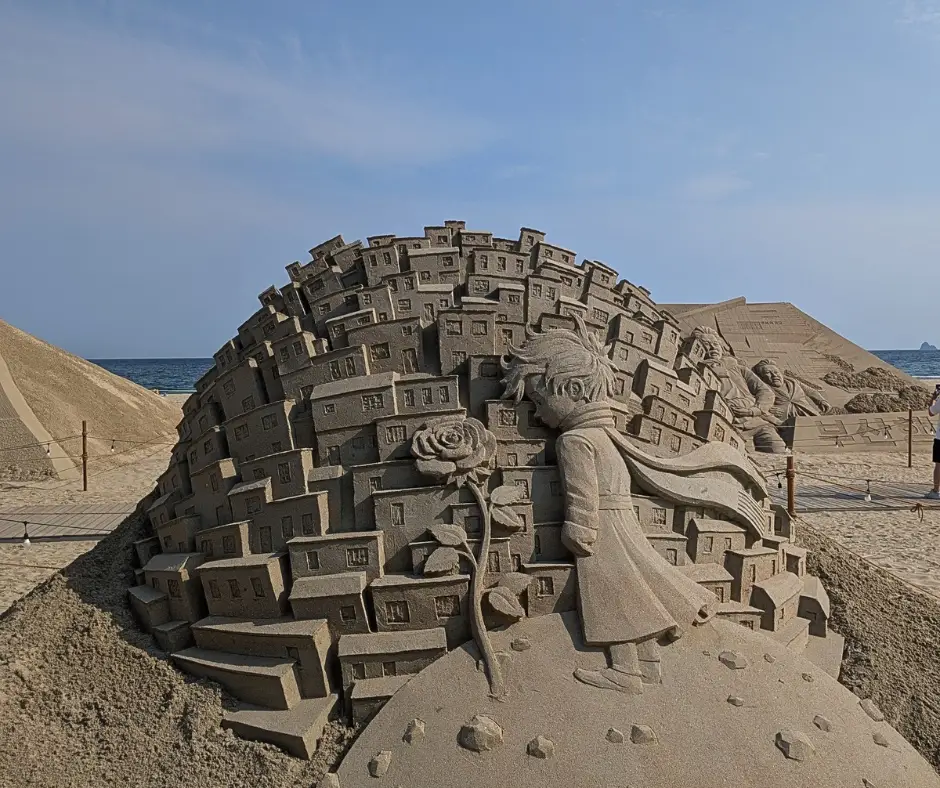
In July and August, Haeundae becomes one of Asia’s most crowded beaches, with millions of visitors descending on the shore. In spring and autumn, it’s calm, breezy, and incredibly pleasant to walk along. The sand is clean, the sea is a deep blue-green, and there’s always something happening — street performers, elderly couples doing morning exercises, local teens lounging on the seawall. I visited in early June, and there was a sand-design event featuring incredible sand art.
After walking the main beach, I followed the path around toward Dongbaekseom Island, which sits at the western end. It’s a quiet, forested loop trail through camellia trees with views back toward the city skyline. It took me about 30 minutes to walk around and felt like a completely different world from the buzz of the main beach.
Haeundae Beach is free to access year-round and open at all times.
2. Gwangalli Beach
Gwangalli is my personal favorite beach in Busan. It’s smaller and slightly less famous than Haeundae, so it has a more local, neighborhood vibe. The street behind the beach is lined with independent cafés and restaurants, the kind of places with handwritten menus and good lighting that make you want to sit for hours.
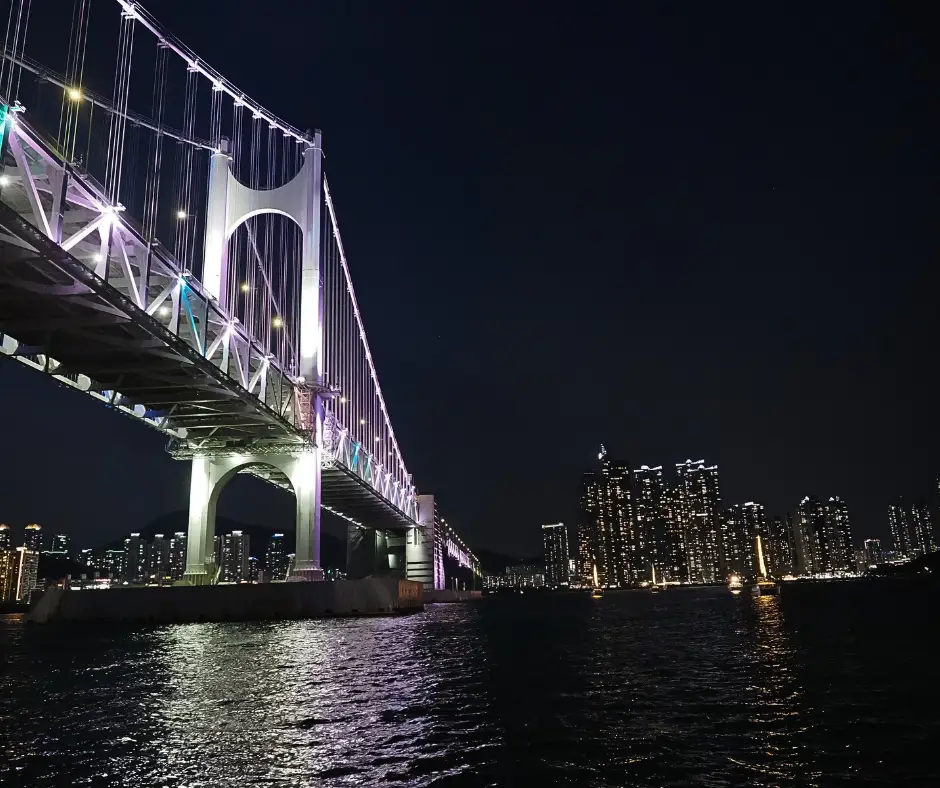
But the real star of Gwangalli is the view of Gwangan Bridge — a double-decker suspension bridge that stretches across the bay and lights up in a spectacular rainbow display every night. As it gets dark, the bridge lights up, and the whole thing transforms.
You can also watch small fireworks shows from boats on the water in the evening.
The Gwangalli M Drone Light Show happens every Saturday night. Hundreds of drones form shapes and patterns in the sky above the beach — it runs year-round, and it’s completely free to watch from the sand.
Gwangalli Beach is free to access year-round. The drone show schedule varies — check the Busan Tourism Organization website for current show dates and times.
3. Gamcheon Culture Village
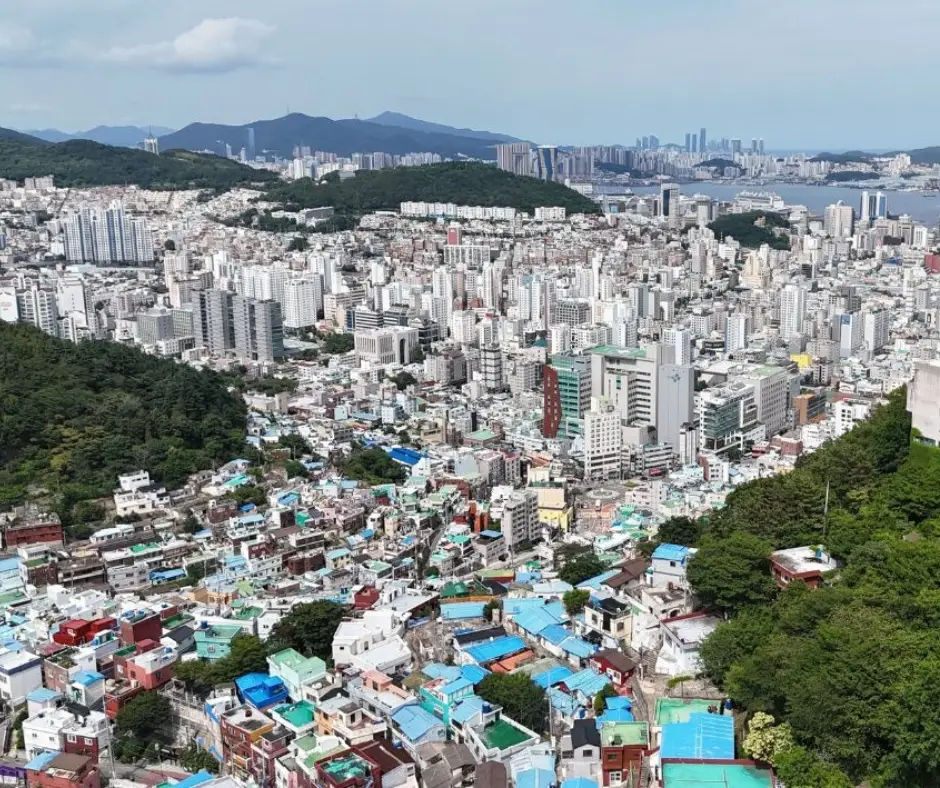
Nothing quite prepared me for Gamcheon. I’d seen the photos — the cascading pastel houses stacked up a steep hillside like a Korean version of Cinque Terre — but even knowing what to expect, turning a corner and seeing the full view laid out in front of me was a genuine wow moment.
Gamcheon Culture Village was originally a shantytown built by refugees during the Korean War. In the late 2000s, a community art project transformed it into a cultural village full of murals, sculpture installations, quirky galleries, and independent cafés tucked into the narrow alleys (similar to Medellín’s Comuna 13). The whole place has a labyrinthine quality that I loved — I genuinely got lost multiple times, wandering up staircases and down alleyways, and every turn revealed something new.
The village is free to enter and wander. You can get an optional stamp trail map for ₩2,000 at the visitor center, which gives you a route to follow and leads you to all the major art installations. I’d recommend getting it — it’s a great way to make sure you don’t miss anything, and the small fee goes toward maintaining the village.
Go early. By midday, the narrow paths fill with tour groups, and the place’s intimate quality gets lost in the crowds. I arrived just after 9 am and had whole stretches of the village almost to myself.
Opening hours: 9 am–6 pm (March–October), 9 am–5 pm (November–February).
gamcheon.or.kr
4. Haedong Yonggungsa Temple
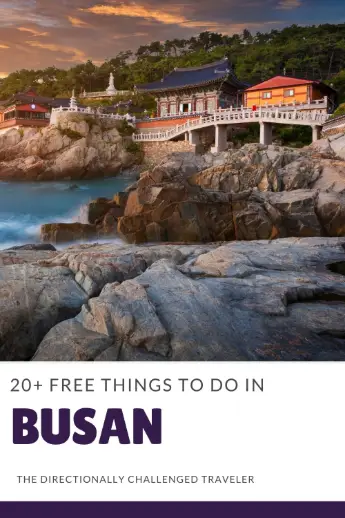
I have visited many temples across Asia, and Haedong Yonggungsa is unlike any of them. Most Buddhist temples in Korea are tucked into mountain valleys, surrounded by trees and silence. This one is built directly on the rocky coast of the East Sea, with waves crashing against the cliffs just meters from the prayer halls.
The approach alone is worth the journey. You descend a long staircase past stone lanterns, zodiac animal statues, and a massive seated Buddha overlooking the ocean. Then the main temple complex opens up — red and gold buildings perched on rocky outcroppings above the water, with the sea stretching to the horizon beyond. On the morning I visited, the light was golden and soft, the air smelled like salt and incense, and only a handful of worshippers moved quietly through the space.
The temple opens at 4:30 am, and in the early morning hours it belongs almost entirely to the monks and a few devoted visitors. By 10 am, tour buses start arriving in large numbers.
Admission is free. Located in northern Busan near Gijang — take the metro to Osiria Station (Line 2) or bus 181 from Haeundae.
Opening hours: 4:30am–6:50pm daily.
www.yongkungsa.or.kr
5. Beomeosa Temple
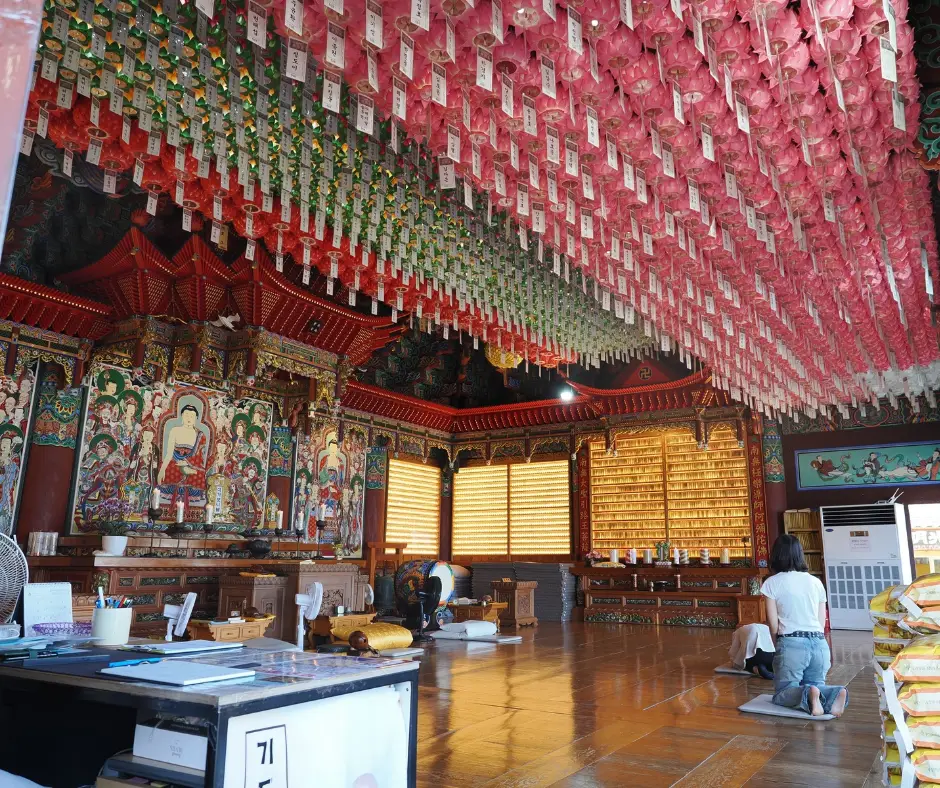
If Haedong Yonggungsa is dramatic and cinematic, Beomeosa is the quiet counterpoint. Founded in 678 AD during the Silla Dynasty, it’s one of Korea’s oldest and most important Buddhist temples, and it sits in a pine forest high on the slopes of Geumjeongsan Mountain in northern Busan.
The forest approach is meditative. Stone-paved paths, moss-covered walls, and the soft sound of wind in the trees all set the tone before you even reach the main complex. Inside, the wooden halls and pagodas feel genuinely ancient — not restored and polished to a tourist shine, but lived-in and real. On the morning I visited, monks chanted in one of the main halls, and the sound drifted across the courtyard in a way that stopped me in my tracks.
Beomeosa is also the starting point for hikes up into Geumjeongsan, including the famous fortress wall trail (covered later in this post). You can make a full half-day of it — spend time in the temple first, then head up the mountain.
Admission is free; donations are welcome. Take Line 1 metro to Beomeosa Station, then bus 90 or the village bus up to the temple.
Opening hours: open daily, with the main grounds accessible from early morning. Recommend arriving before 9 am. www.beomeosa.co.kr
6. Taejongdae Park
Taejongdae sits at the southern tip of Yeongdo Island, and it’s the kind of place that makes you feel like you’ve reached the edge of the world. The cliffs here drop sharply into the sea, and on a clear day you can see the outline of Japan’s Tsushima Island on the horizon. I stood at the main viewpoint for a long time, watching the waves hit the rocks below and feeling very small in the best possible way.
The park is large, and a loop road runs through it that you can walk or ride the Danubi tourist train on (₩3,000 — optional). The trail winds through dense forest, past a lighthouse, and down to a rocky pebble shore where you can sit right at the waterline. The forest sections are shaded and cool even in summer, and the cliff viewpoints along the way each offer a slightly different angle of the coastline.
Pack water and snacks — there are vendors near the entrance, but options thin out as you go further into the park.
Admission to the park is free. The Danubi train is optional at ₩3,000. Take Line 1 metro to Nampo Station, then bus 8 or 30 to Taejongdae.
Opening hours: 4 am–midnight (March–October), 5 am–midnight (November–February). taejongdae.bisco.or.kr
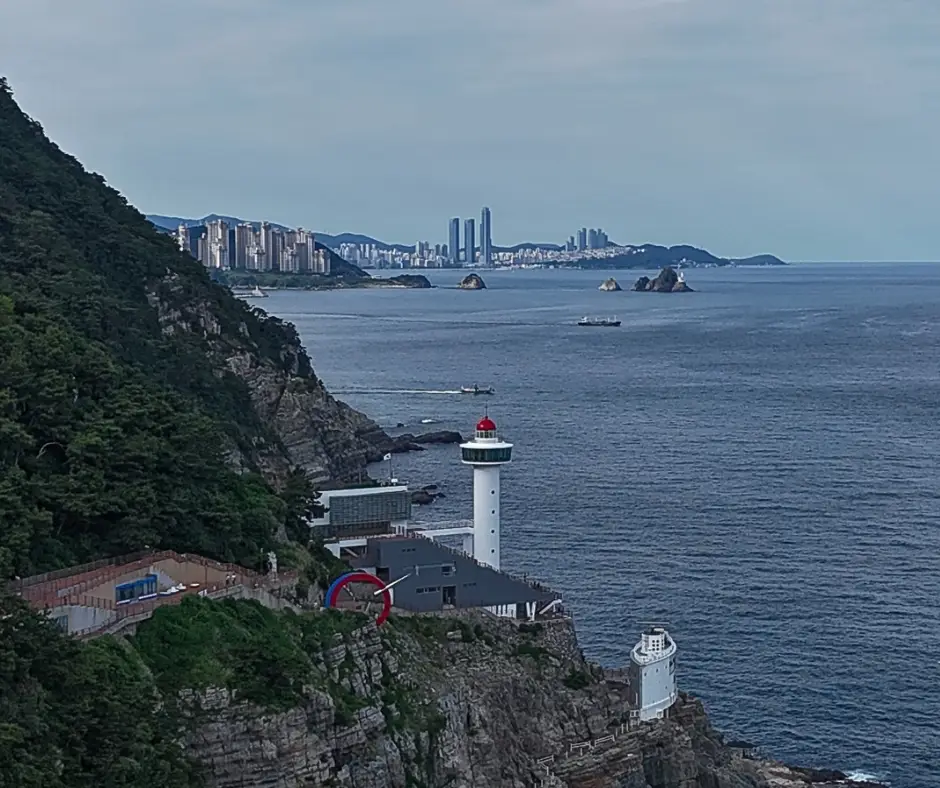
7. Igidae Coastal Walk
Ask most tourists about free things to do in Busan and they’ll mention Haeundae, Gamcheon, maybe Taejongdae. Very few will mention Igidae, which is exactly why I love it.
This 4.7km coastal trail runs between Oryukdo and Gwangalli, hugging the cliff edge the entire way. It passes through sections of forest, over a pair of suspension bridges, across flat rocky shelves at the waterline, and up to high viewpoints overlooking the open ocean and back toward the glittering towers of Marine City. The combination of terrain and scenery is genuinely spectacular.
The trail takes about two to three hours to complete at a relaxed pace. Wear proper shoes — there are sections over uneven rocks and the path gets steep in places. The eastern end near Oryukdo is the more dramatic stretch, so if you’re short on time, start there and walk toward Gwangalli.
The trail is free and accessible at all times. Start from the Oryukdo Skywalk bus stop (Bus 24 or 131 from Gyeongseong University Station, Line 2).
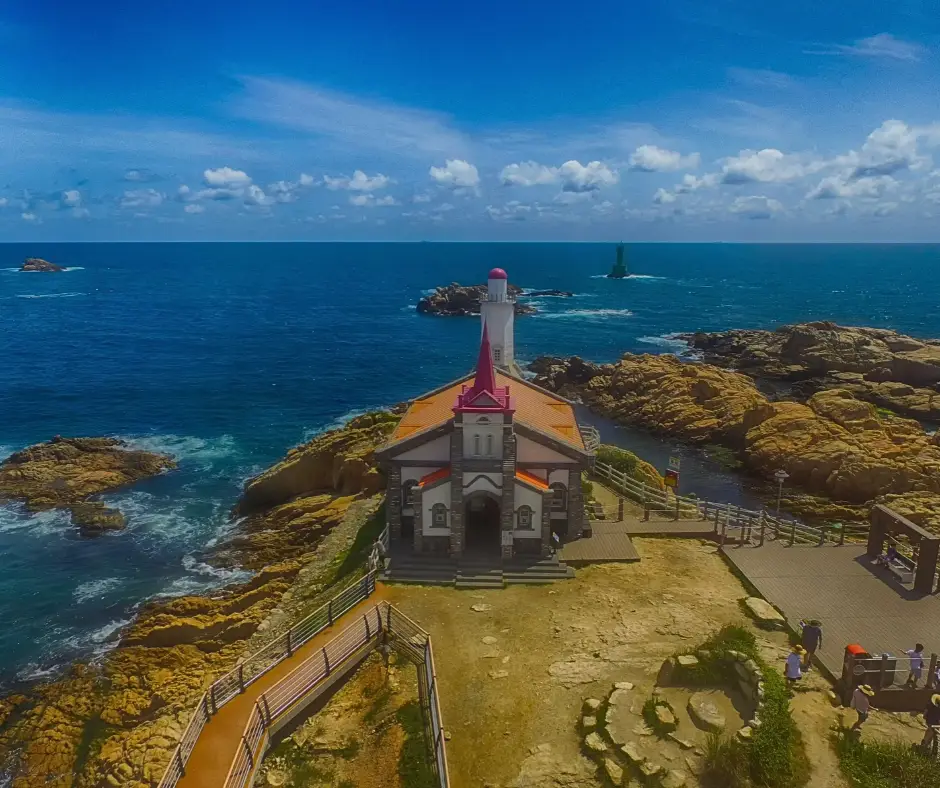
8. Oryukdo Skywalk
Right at the eastern trailhead of Igidae is one of Busan’s most unusual free attractions: the Oryukdo Skywalk. This horseshoe-shaped glass-bottomed walkway extends out from the cliff edge over the ocean, giving you a completely unobstructed view straight down to the water and rocks below.
I’ll be honest — the first few steps onto the glass may require a conscious mental override. Standing on what feels like nothing, with a sheer drop beneath your feet, delivers a unique kind of thrill you might not be prepared for. But once you get used to it, you could easily spend twenty minutes out there, watching the waves move below and gazing toward the Oryukdo islets scattered across the blue water.
The skywalk also marks the point where the East Sea meets the South Sea, giving the spot a sense of significance beyond the photo opportunity. Overshoe covers are provided at the entrance to protect the glass — you slip them on over your shoes before stepping out.
Admission is free. Located in Igidae Park, accessible by bus from Gyeongseong University Station (Line 2).
Opening hours: 9am–7pm (April–September), 9am–6pm (October–March). www.bisco.or.kr
9. Yongdusan Park & the View from Lotte Department Store
Yongdusan Park sits in the heart of old Busan, in the Nampo-dong district, and it’s a lovely green space to wander through — especially on a sunny afternoon when locals come out to sit on the benches and watch the world go by. The park is home to Busan Tower, which does charge an admission fee for the observation deck, but the park itself is free, and the views from the surrounding area are excellent.
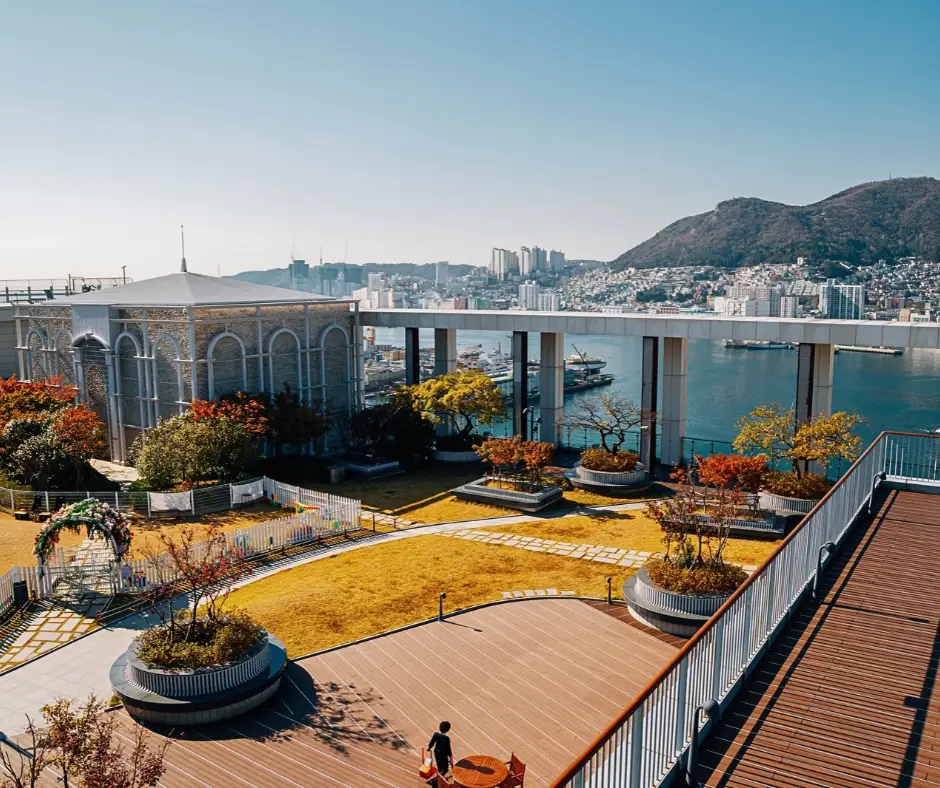
The real hidden gem here is the free rooftop viewing platform on the 13th floor of the Lotte Department Store, just a short walk away. From up there, you get sweeping panoramic views over Jagalchi Fish Market, the harbor, Yeongdo Island, and the colorful hillside of Gamcheon in the distance.
After exploring the park, you can spend the rest of the afternoon wandering the surrounding area — down through Gukje Market (Busan’s sprawling traditional market), along the cinema street of BIFF Square, and into Bosu-dong Book Alley, a narrow lane lined entirely with second-hand bookshops that has existed since the Korean War. It’s one of those only-in-Busan corners of the city that you’d never find without looking for it.
10. Busan Citizens Park
Busan Citizens Park is one of those places that hits differently when you know the history. From 1950 to 2010, this large plot of land in the heart of Busan was occupied by a US military base — Camp Hialeah. When the base finally returned to the city, Busan transformed it into a massive public park, creating one of Asia’s most impressive urban green spaces.
The park covers 47 hectares and feels expansive even on busy weekends. Wide-open lawns, tree-lined walking and cycling paths, a fragrance garden, a history hall documenting the site’s past, and, in summer, a water play area that fills up with families and kids. The history hall itself is free to visit and does a thoughtful job of covering both the Camp Hialeah era and the broader history of the land going back centuries. It’s the kind of park that makes you want to live in the city.
Admission is free. Located near Bujeon Station or Gaegeum Station (Line 1). The history hall is open Tuesday–Sunday, 9 am–6 pm (closed Mondays). citizenpark.bisco.or.kr
11. Korea National Maritime Museum
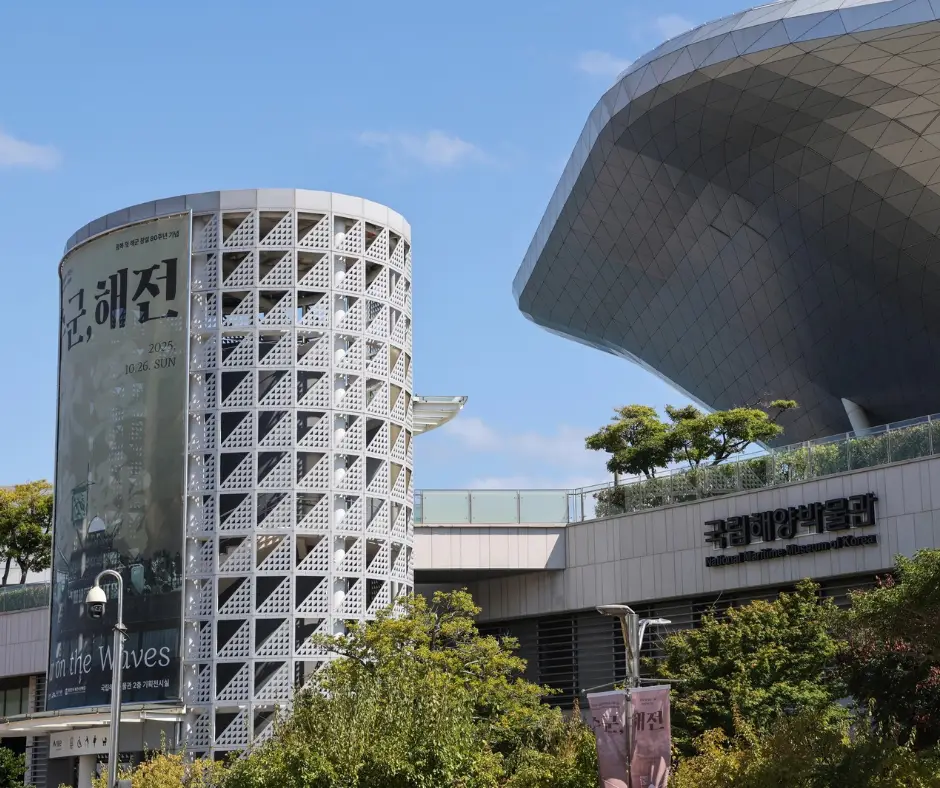
You can easily spend three hours at the Korea National Maritime Museum. This sprawling museum on Yeongdo Island is the country’s only comprehensive maritime museum, and it covers everything from ancient Korean seafaring and ocean exploration to deep-sea ecosystems — all for free.
The centerpiece of the main exhibition hall is a full-size reconstruction of the ships Korean diplomatic envoys used to travel to Japan during the Joseon Dynasty. It’s extraordinary to walk around — the scale, the craftsmanship, the detail. There’s also an absorbing underwater archaeology section, an interactive children’s museum that adults will enjoy just as much, and rotating temporary exhibitions that change throughout the year.
The building itself is architecturally impressive — a modern structure right on the waterfront with floor-to-ceiling windows looking out toward the harbor. It’s a great way to spend a rainy day.
Admission is free. Take Line 1 metro to Nampo Station, then bus 66 to Yeongdo. The museum is a short walk from the bus stop.
Opening hours: Tuesday–Friday 9 am–6 pm, Saturday–Sunday 9 am–7 pm. Closed Mondays. www.knmm.or.kr
12. Museum of Contemporary Art Busan (MoCA)
Getting to MoCA Busan is half the experience. The museum sits on Eulsukdo Island, where the Nakdong River meets the South Sea, and the journey through the wetlands and reed fields already feels unlike anything else in the city.
The museum building itself is striking — a low, ivy-covered structure that seems to grow out of the landscape rather than sit on top of it. Inside, the permanent collection focuses on Korean contemporary art from the 1980s onward, and the rotating exhibitions bring in international artists and large-scale installations.
The grounds outside are worth exploring too — there’s a sculpture garden, a children’s library, and a small playground, making it a surprisingly good spot for families and art lovers.
Admission is free. Located on Eulsukdo Island — take Line 1 to Hadan Station, then a short taxi or bus ride to the museum.d
Opening hours: Tuesday–Sunday 10 am–6 pm. Closed Mondays. www.busan.go.kr/moca
13. Busan Museum of Art
The Busan Museum of Art sits in the Centum City district — home to what was once the world’s largest department store and a generally very modern, upscale part of the city. The museum is a counterpoint to all of that commercial energy: a calm, well-designed space dedicated to contemporary Korean and international art.
The permanent collection is genuinely strong, with a focus on artists connected to Busan and the surrounding region alongside broader Korean contemporary work. The temporary exhibition program is ambitious, and admission to special shows is often very low, even when the permanent galleries are free.
This is another great option if there’s rain during your time in Busan. There’s a cafe inside to grab a snack or drink. The area around the museum, including the nearby Busan Cinema Center, is worth exploring before or after your visit.
Admission to the permanent collection is free. Located near Centum City Station (Line 2). Opening hours: Tuesday–Sunday 10 am–6 pm. Closed Mondays. art.busan.go.kr
14. Geumjeongsan Fortress Hike
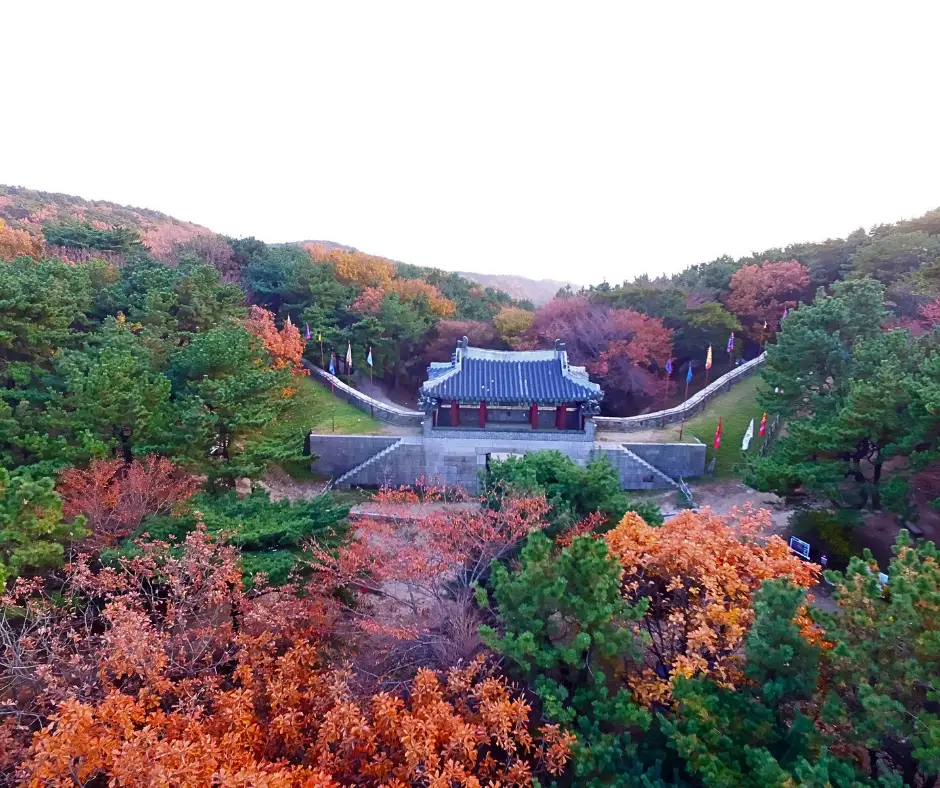
For a half-day that makes you feel like you’ve genuinely earned something, the Geumjeongsan Fortress hike is the one. Geumjeongsan rises behind Beomeosa Temple in northern Busan, and along its ridgeline runs Korea’s longest fortress wall — a 17km stone structure dating back to the early Joseon Dynasty, with four restored gates still standing at various points along the route.
Start at Beomeosa Temple, a natural, beautiful place to begin. From there, trails lead up through the forest and onto the ridge, where the views open up dramatically in all directions — the city spread out below on one side, the green mountain valleys on the other. The fortress wall itself appears in sections along the ridgeline, rising and falling with the terrain.
You can do a partial loop of about 3–4 hours that takes in two of the gates and the highest peak (801.5m). The trails are well marked and not technical, but they are steep in places—wear proper footwear and bring water. In spring, the slopes are covered in cherry blossoms, and in autumn the foliage turns the whole mountain golden. Either season is spectacular.
The hike is free and accessible year-round. Start from Beomeosa Temple.
15. Huinnyeoul Culture Village
Huinnyeoul is Busan’s quieter, less-visited answer to Gamcheon. Located on the hillside of Yeongdo Island above the port, the village sits on dramatic cliffs overlooking the harbor, and its narrow paths offer some of Busan’s most unexpected and beautiful views.
Refugees built the village during the Korean War, much like Gamcheon, and its name—roughly translating to “white ridge”—refers to the hillside’s white clay soil. Unlike Gamcheon, Huinnyeoul hasn’t been as extensively developed for tourism, which is both its charm and its most important consideration: people live here, and the lanes are quiet residential streets. Walk respectfully and keep noise levels down.
The walking route through the village is dotted with small lookout points, and each one rewards you with a different angle on the harbor, the bridge, and the open water beyond. It’s the kind of place that makes you feel like you’ve found something real, especially with the crowds at Gamcheon.
You can walk around the village anytime. Tour facilities and the visitor information center are open 10 am–5 pm (closed Mondays). Take Line 1 to Nampo Station, then bus 66 to Yeongdo Island.
16. UN Memorial Cemetery
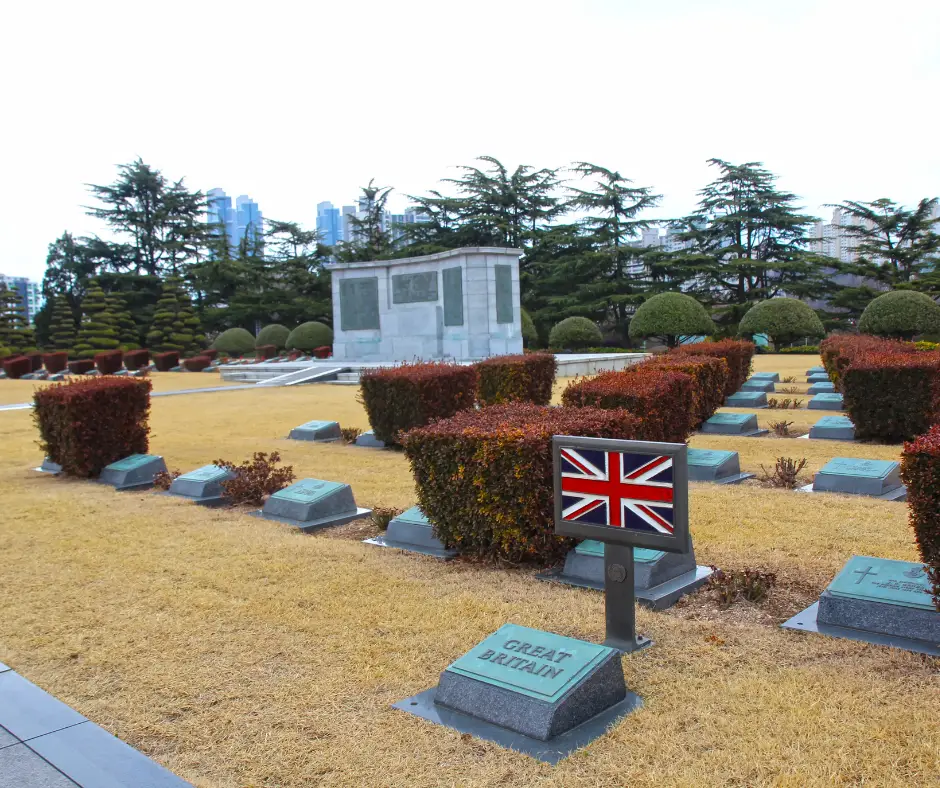
The world has only one United Nations memorial cemetery, and it’s in Busan. That fact alone gives the place a weight and significance that you feel from the moment you walk through the gates.
The UN Memorial Cemetery is the final resting place of soldiers from 16 countries who died during the Korean War. The grounds are immaculately maintained — long rows of white headstones on green lawns, flanked by flagpoles bearing the flags of all the contributing nations. The quiet here is profound. It’s the kind of quiet that feels deliberate and respectful, as if the city around it has collectively agreed to keep it this way.
I walked the grounds slowly, reading the names and nationalities on the headstones, and found myself genuinely moved in a way I hadn’t fully anticipated. A memorial hall with exhibits on the Korean War and the international response provides valuable context. For anyone with a family connection to the Korean War — and there are many, across many countries — this place will be especially meaningful.
Admission is free. Located in the Daeyeon-dong area — take Line 2 to Daeyeon Station.
Opening hours: March–October 9 am–5 pm, November–February 9 am–5 pm. The grounds may be accessible outside of these hours; check ahead.
www.unmck.or.kr
17. Dongbaekseom Island Loop
Dongbaekseom Island is technically a peninsula now—it was connected to the mainland by sedimentation over time—but it still feels slightly separate from the city. It juts out from the western end of Haeundae Beach, covered in camellia trees (dongbaek means camellia in Korean), and a loop trail around its perimeter is one of Busan’s most pleasant short walks.
The trail splits into an upper forest path and a lower coastal path, and I took one direction going out and the other coming back, which gave me the best of both. The coastal path offers views back toward the Haeundae Beach shoreline and the dramatic skyline behind it; the forest path is quiet and shaded, with camellia blossoms in late winter and early spring.
At the far point of the island sits the Nurimaru APEC House, the striking modernist building that hosted the APEC (Asia-Pacific Economic Cooperation) summit in 2005. It’s free to enter and open as an exhibition space, with large windows framing ocean views on three sides. It’s a beautiful building in a beautiful setting.
The loop takes about 30–40 minutes at a relaxed pace. Access is free at all times from the western end of Haeundae Beach. The Nurimaru APEC House is open 9 am–6 pm, closed the first Monday of each month. Admission is free. apec.haeundae.go.kr
18. Jagalchi Fish Market & Nampo-dong Street Food Scene
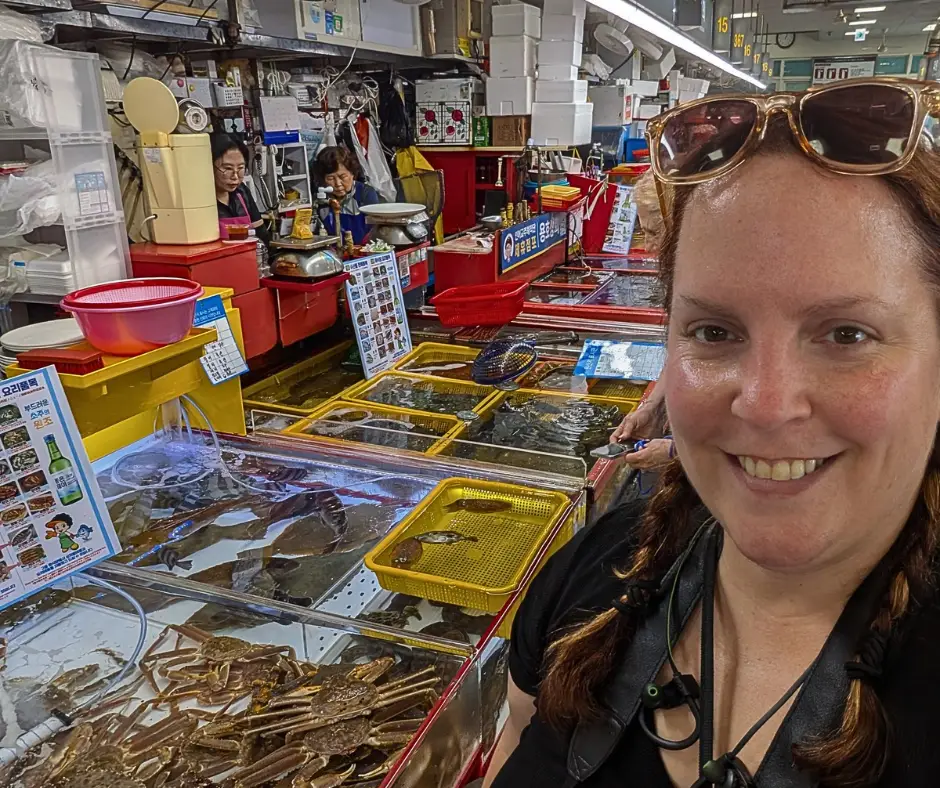
Jagalchi is one of those markets that engages all five senses simultaneously and refuses to let you ignore it. Korea’s largest seafood market sprawls along the waterfront in Nampo-dong, and a morning here is pure, unfiltered city life.
The outdoor stalls begin setting up before dawn, and by mid-morning the whole area is in full swing — vendors arranging tanks of live octopus, hagfish, sea squirts, crabs, and fish of every variety across brightly colored stalls. You don’t need to buy anything to enjoy it; the place’s energy, the vendors’ calls, the smell of the sea, and the theater of watching the whole operation are enough to fill an hour.
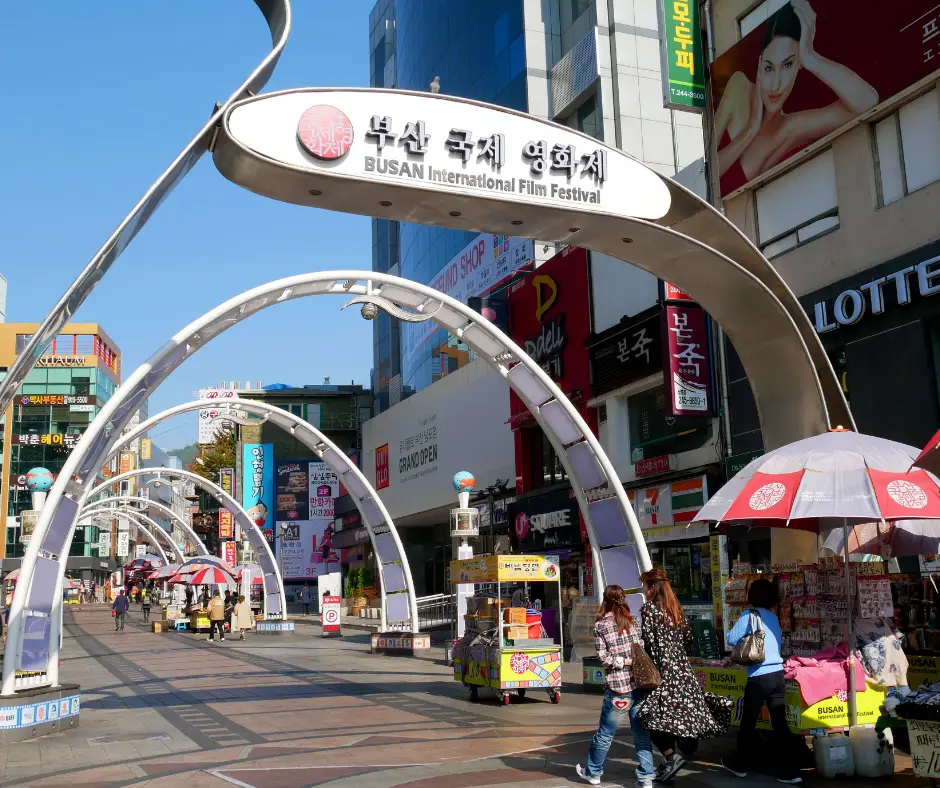
From Jagalchi, walk north into the lanes of Nampo-dong and hit BIFF Square, the outdoor cinema promenade named for the Busan International Film Festival. Handprints of actors and directors are embedded in the pavement — a Korean version of the Hollywood Walk of Fame. Vendors here sell Busan’s famous hotteok — sweet pancakes filled with seeds, brown sugar, and vegetables — for around ₩1,000–2,000. I ate two.
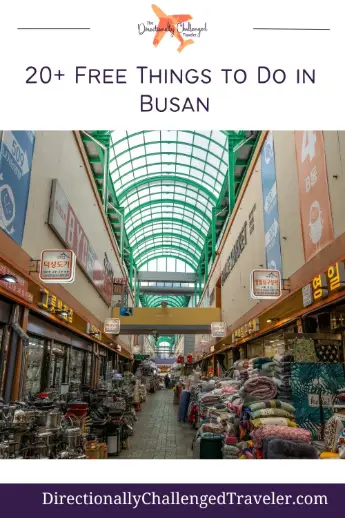
A short walk away, Gukje Market is Busan’s sprawling traditional market with hundreds of stalls selling everything imaginable, and Bosu-dong Book Alley is the narrow lane of second-hand bookshops that has operated since the Korean War. This whole area is one of the best free afternoons you can have in the city.
Jagalchi Market is free to browse. Main market building open Tuesday–Sunday 5 am–10 pm. The surrounding street stalls operate at all hours.
www.jagalchimarket.or.kr
19. Eulsukdo Island
Eulsukdo Island surprises you one more time. Near the city’s western edge, where the Nakdong River fans out into a wide estuary before meeting the South Sea, this natural island is Korea’s premier bird sanctuary and one of the city’s most quietly beautiful places.
The wetlands and reed beds attract hundreds of thousands of migratory birds each year, especially in autumn and winter, when the skies above the estuary can darken with flocks of black-faced spoonbills, grey herons, and migratory ducks. Even outside migration season, the landscape is extraordinary — wide-open skies, golden reed fields, and the distant silhouette of the city on the horizon.
The Nakdong Estuary Eco Center on the island offers free entry, with exhibits on the local ecosystem, birdwatching scopes set up along the observation deck, and information on the species you might spot year-round. The riverside walking paths and sculpture gardens are worth an hour of wandering.
The MoCA Busan contemporary art museum (covered earlier) is also located on Eulsukdo, making it easy to combine both in a single trip out to the western part of the city.
Admission to the eco center and park grounds is free. Take Line 1 to Hadan Station, then a short local bus ride or taxi to the island.
Opening hours (Eco Center): Tuesday–Sunday 9 am–6 pm. Closed Mondays. www.busan.go.kr/wetland
20. Busan International Film Festival (BIFF)
Every October, Busan transforms. The Busan International Film Festival — one of Asia’s most prestigious film festivals — takes over the city for ten days, and even if you never buy a single screening ticket, it is one of the best times of year to be in the city.
The free spectacle centers on the Busan Cinema Center in Centum City and the streets of Nampo-dong, and it is genuinely spectacular. Red carpet events draw major Korean and international film stars, and the outdoor screenings at the Cinema Center’s massive open-air venue are free to attend on a first-come basis. Street stages, film-themed installations, and pop-up events animate the festival zones day and night.
If you can time your visit to Busan around BIFF, do it. The festival typically runs in early to mid-October each year. Outdoor events and screenings are free. Ticketed screenings require advance booking through the BIFF website. Book accommodation well in advance, as prices can skyrocket.
Opening dates vary by year — check www.biff.kr for the current year’s schedule.
Tips for Visiting Busan on a Budget
Mondays are the enemy of museum lovers. Almost every museum and cultural institution in the city closes on Monday, so plan that day for beaches, hikes, markets, and outdoor exploration instead.
The Gwangalli and Haeundae neighborhoods are the city’s two best bases. Gwangalli has a slightly more local, neighborhood feel with excellent beach access and great nightlife; Haeundae is more tourist-friendly with more accommodation odptions at different price points. Both are well-connected to the rest of the city by metro and bus.
Get the T-Money card before you do anything else. Load ₩30,000–50,000 and you’ll have more than enough for a week of transit. You can top it up at any metro station or convenience store.
Download Naver Maps. Google Maps works adequately in Korea, but Naver Maps is significantly more accurate for public transit routes, walking directions, and finding businesses by Korean name. It’s free and available internationally.
Final Thoughts
Busan is a city that rewards slow travel. Some of the best moments I had here weren’t at any attraction on this list — they were sitting on a seawall watching the sunset, eating at a pojangmacha (street food tent) after a long day of walking, or wandering into a neighborhood I hadn’t planned to visit at all. Give yourself more time than you think you need, and let the city show you what it wants to.
Save “Free Things to do in Busan, South Korea” for Later
About the Author
Read More About Asia



Have You Seen These Yet?


Hey there! I’m Pamela. Just a woman who has fallen in love with getting lost around the world. I’ve traveled to 42 countries across 7 continents.
My mission? To inspire you to ‘let the bucket list flow’ and see what the world has to offer.
My promise: All of my photos are not edited. What you see is what you get.
Join a small-group safari to Kenya & Uganda!
- Go trekking and get close to gorillas and chimpanzees
- See the big 5 Safari Animals
- See The Great Migration
- Sunrise hot air balloon ride and champagne breakfast included
- Maximum of 12 guests
Capital Cities book
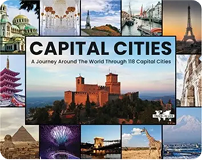
- Discover the world through this 258 page book covering 118 cities
- 3 photos by me!
- Perfect as a gift or for your coffee table
Travel Shop
- Accommodation Comparison Excel
- Printable Bucket Lists
- Travel Planning Resources
- & More!
Leave a Reply