

Have You Seen These Yet?


Hey there! I’m Pamela. Just a woman who has fallen in love with getting lost around the world. I’ve traveled to 42 countries across 7 continents.
My mission? To inspire you to ‘let the bucket list flow’ and see what the world has to offer.
My promise: All of my photos are not edited. What you see is what you get.
Join our small-group Tour to Uganda 2027!
- Get up close to gorillas and chimpanzees with trekking!
- See the big 5 Safari Animals
- Learn about Uganda’s culture through local community visits
Capital Cities book

- Discover the world through this 258 page book covering 118 cities
- 3 photos by me!
- Perfect as a gift or for your coffee table
7 Must Visit Beautiful Places in Argentina
Argentina, South America / December 12, 2025 / Be the first to comment
Argentina, a land of dramatic landscapes and vibrant culture, beckons travelers with its diverse and breathtaking scenery. You’ll find plenty of beautiful places in Argentina to remind you how small we are in the grand scheme of the earth. From the thundering majesty of Iguazu Falls to the otherworldly hues of Hornocal in Jujuy, this South American gem offers an unforgettable journey for those seeking natural wonders. Argentina is an underrated destination that has breathtaking beauty and mouthwatering food. Prepare to be captivated by the sheer power of cascading water and the surreal beauty of mountains painted in a spectrum of colors.
In the subtropical north, the mighty Iguazu Falls stand as a testament to nature’s raw power. These magnificent cascades, a UNESCO World Heritage site, are a symphony of roaring water and mist, creating a truly immersive experience. Walking along the boardwalks, you’ll find yourself surrounded by lush rainforest, teeming with exotic flora and fauna, offering countless vantage points to witness the sheer scale and beauty of this natural marvel.
Venturing further north, we arrive in the Andean province of Jujuy, home to the “Hill of Fourteen Colors,” also known as Hornocal. This extraordinary geological formation boasts a vibrant tapestry of mineral deposits, creating a mesmerizing spectacle that changes with the shifting sunlight. As you ascend to this high-altitude wonder, the panoramic views unfold, revealing a landscape so unique and colorful, it feels as though you’ve stepped onto another planet. Argentina truly offers a visual feast for any adventurer.
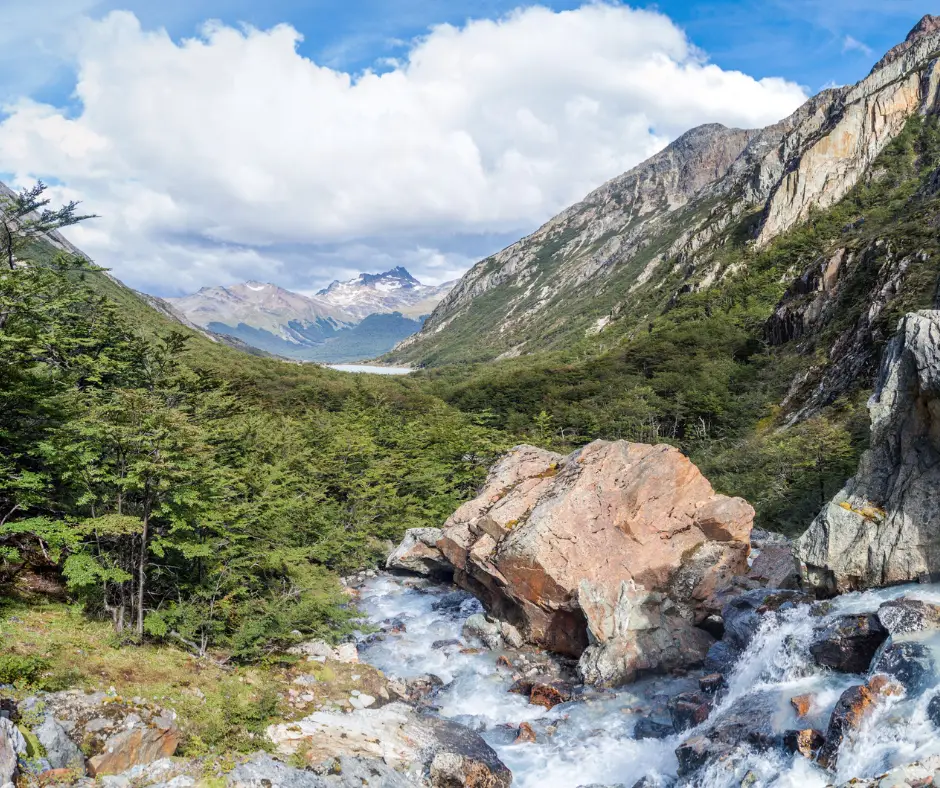
In the south of Argentia, Ushuaia and its neighbor, Tierra del Fuego National Park stand tall with snow-capped mountains and peaceful rivers. So no matter where you go in the country, you’ll be in awe of the sheer natural beauty of Argentina.
This post contains affiliate links. This means if you purchase something from a link, I may make a small commission, at no cost to you. This helps me keep the site running and free.
If you like this post, be sure to sign up for my e-mail list for travel inspiration & tips, or connect with me on Facebook, Instagram, Twitter, BlueSky, Threads, or Pinterest. I also have a Facebook group where you can ask me anything travel related – and I share travel deals!
Hornocal
Argentina’s Hornocal is nicknamed “the 14 colored mountain” but I challenge you to find far more than just 14 colors in this epic natural wonder. It is one of the best things to do in Jujuy, which is best explored with your own rental car to get from town to town. Once in Humahuaca, you can drive yourself 45 minutes into the mountains to reach the Hornocal or hire a 4×4 guide from the bus terminal (no need to book this in advance).
At 4,300 meters high, I highly recommend bringing something to help with the altitude. I brought coca leaf tea in a thermos. It was a life saver (and much more palatable than chewing coca leaves). Once there, you can stay near the parking lot to view the mountain or descend the path to get even better views. I highly recommend it but only if you feel secure with the altitude and your fitness. The return to the parking lot is all uphill and it will quite literally knock the wind out of you.
The best time to visit Jujuy is in the cooler months. I prefer Fall through Spring. Even in winter you will have sunny days (and cozy, cold desert nights). During the summer months (December through February) temperatures are very high and it is peak travel season bringing big crowds. I also recommend planning your visit for the afternoon versus the morning for the best light. You’ll be grateful for that light when you take 1,000 photos of this breathtaking wonder.

Llao Llao Municipal Park
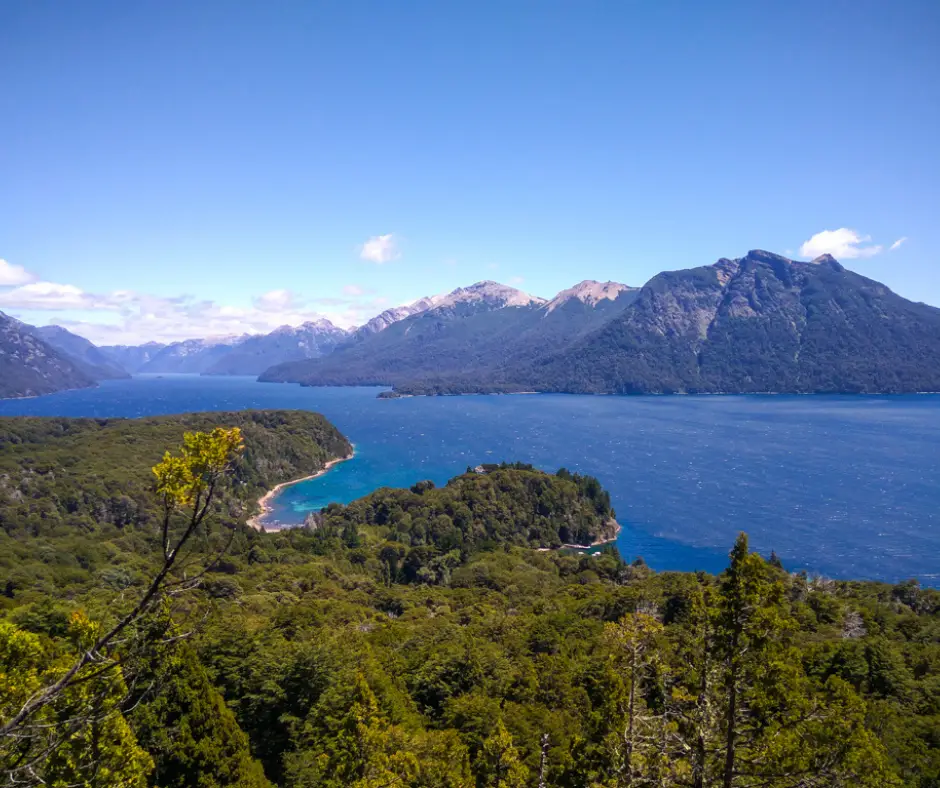
If you’re looking for a natural space in Argentina that’s considered a hidden gem, at least in comparison to the popular ones in the country most international travelers know about, Llao Llao Municipal Park will tick that box for you. It’s an easy and scenic day trip from the famous town of Bariloche, which is surrounded by many more natural wonders to explore.
One of the most delightful hikes to experience in the park is Cerro Llao Llao. This relatively short and easy hike welcomes adventurers of all levels, with mostly flat surfaces that lead you through lush landscapes. At one point, you’ll have a 20-minute climb, and you’ll reach the magnificent Cerro Llao Llao viewpoint, where you’ll enjoy the breathtaking views of this park as well as the Nahuel Huapi National Park.
For an extra treat, you can continue your journey to the little lakeside beach at Villa Tacul, a perfect spot for a peaceful break. Another optional super easy trail is Sendero de los Arrayanes, but there are a few more to discover here.
If you prefer the thrill of cycling, the Circuito Chico trail! This exciting 60-kilometer route meanders through the park, showcasing stunning natural beauty while passing by charming spots around Bariloche.
It is super easy to get to the Llao Llao Municipal Park, with bus number 20 taking you from Bariloche to a point only 1 km from the park’s entrance. This is a great summer spot, but you can also opt for a spring or fall trip.
Perito Moreno Glacier
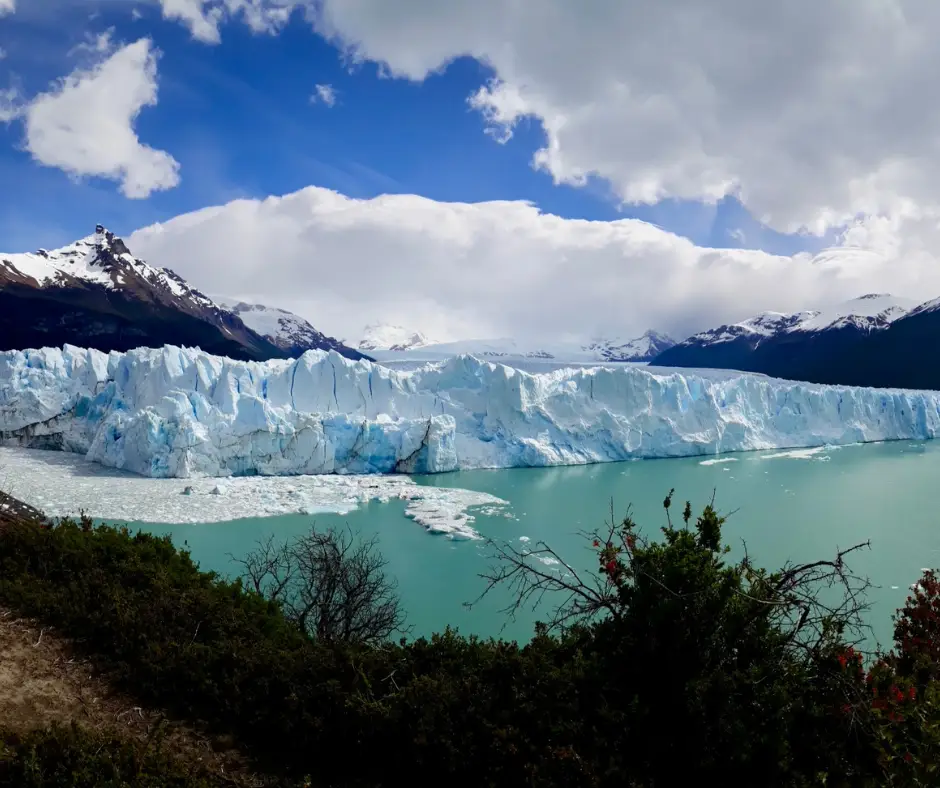
One of the most impressive sights I experienced when backpacking in Patagonia was the Perito Moreno Glacier. Located in Los Glaciares National Park, the Perito Moreno Glacier is one of the most famous natural wonders in Argentina and has been a UNESCO World Heritage Site since 1981.
It’s almost impossible to grasp from photos the magnitude of the Perito Moreno, as it expands for over 35 Km, with the widest part from the visitor centre being almost 4.5 Km and about 70 meters tall. It’s seriously huge.
The easiest way to visit the Perito Moreno is from the town of El Calafate. There are regular buses covering the 1.5-hour trip, and you can also join a Glacier Trekking Tour, Boat Tour, or even Kayaking if you’re looking for an extra special day out. You need to buy a ticket either online or at your accommodation in El Calafate, the ticket allows access to the walkways (or balconies) where you get to admire the glacier from multiple viewpoints.
The best time to visit the Glacier is between spring and fall. But be aware of the unpredictability of the weather in Patagonia so you pack warm clothes even in the summer. Go with comfy walking shoes as the walkways are spread over several trails.
Check for opening times before your visit as they could change at short notice, but generally you can visit any day of the year. I personally recommend going in the afternoon, as most tours go in the morning, so you can avoid the crowds by going later in the day.
Piedra Parada
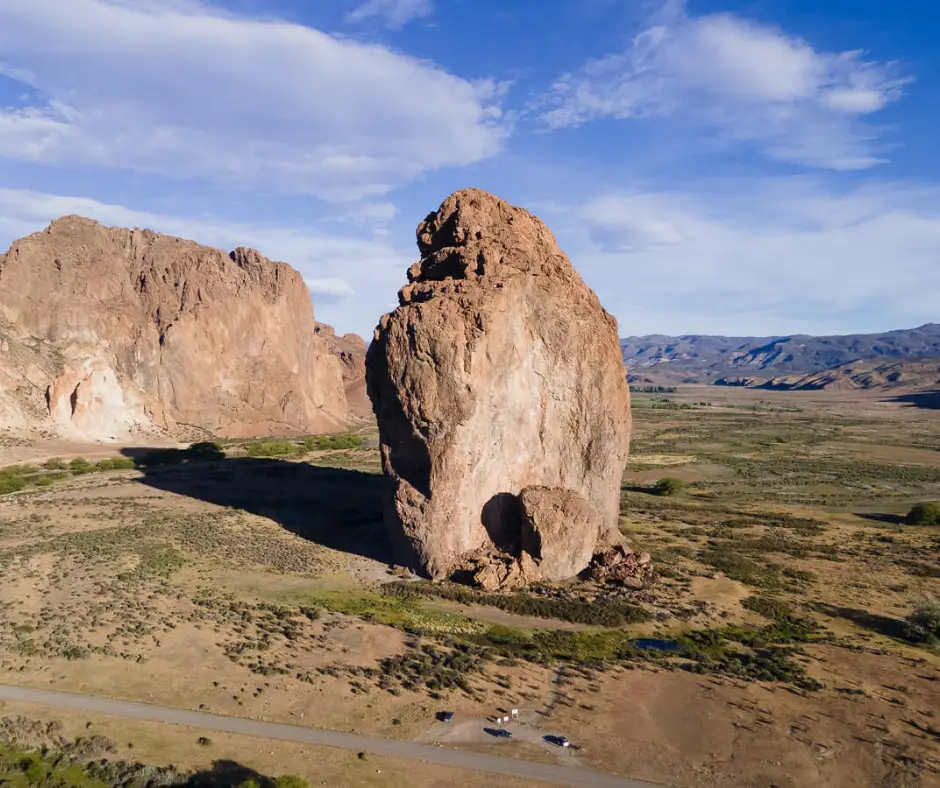
Piedra Parada is a natural wonder in the Patagonian steppe. When most tourists think of Patagonia they think of its mountains, alpine lakes, and penguins. But this expansive desert landscape occupies an immense portion of Patagonia and it is worth taking the effort to explore it. This towering stone monolith is the result of a volcanic eruption 50 million years ago. Today it – and the nearby canyon – are an attraction for rock climbers and day trippers.
The nearest town tiny Gualjaina and if you plan to stay overnight, this is your only option (beyond camping in the desert). The closest proper city is Esquel and just a bit further afield you have El Bolson. The drive to Gualjaina from Esquel is just over an hour and 15 minutes but it’s important to remember that the bulk of this drive is slow going on gravel. It is possible to visit Piedra Parada as a day trip from El Bolson or Esquel but I don’t recommend it. Stay for at least 2 nights in Gualjaina, more if you are an avid rock climber. Book your accommodation well in advance as options are extremely limited.
The best time of year to visit is during the shoulder seasons – October-November for Spring or April-May for Fall. This lets you avoid the scorching summer sun and busy crowds of the peak summer months. Road trip enthusiasts can continue their route all the way to the coast to Puerto Madryn. The desert scenery along the way is breathtaking and crossing Patagonia from the Mountains to the Ocean is a rite of passage in Argentine travel.
Puerto Madryn
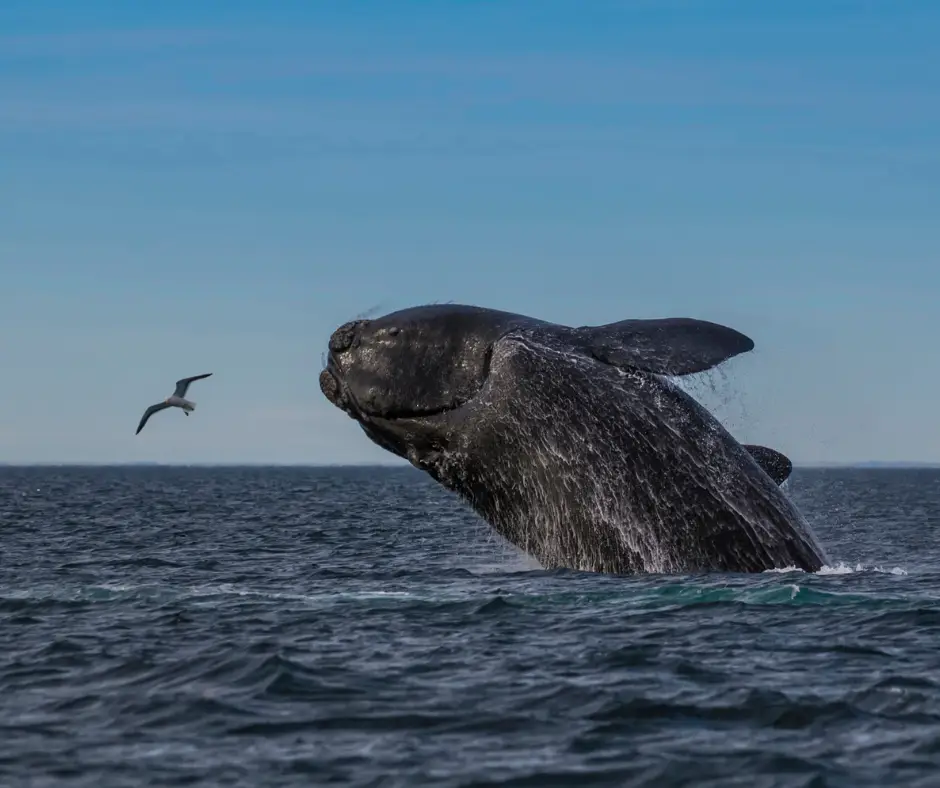
Puerto Madryn, on the coast of Patagonia, offers a unique gateway to the abundant marine life of the Patagonian coast. The surrounding Valdes Peninsula, a UNESCO World Heritage site, is renowned for its incredible biodiversity, serving as a crucial breeding ground for a variety of marine mammals. Here, you can witness the awe-inspiring spectacle of Southern right whales breaching and playing in the waters, particularly from June to December. In fact, it’s one of the best places to go whale watching around the world. Beyond the whales, the peninsula is also home to Magellanic penguins, sea lions, elephant seals, and a diverse array of seabirds, making it a paradise for wildlife enthusiasts and photographers alike. The raw, rugged beauty of the Patagonian landscape, with its windswept shores and vast, open skies, provides a stunning backdrop to these unforgettable encounters.
Visiting Puerto Madryn and the Valdes Peninsula is best experienced during the spring and summer months in the Southern Hemisphere (September to April) for general wildlife viewing, with the peak whale watching season running from June to December. While many tours depart directly from Puerto Madryn to the peninsula, renting a car offers greater flexibility to explore at your own pace. When visiting, remember that the weather in Patagonia can be unpredictable, so pack layers, including warm clothing, waterproofs, and sun protection. Be prepared for windy conditions and always maintain a respectful distance from the wildlife to ensure their safety and your own. Several estancias (ranches) on the peninsula also offer accommodation, providing an immersive Patagonian experience.
Tierra del Fuego National Park
Tierra del Fuego National Park, often called “The End of the World,” is a realm of dramatic subantarctic landscapes where rugged mountains meet the pristine waters of the Beagle Channel. This southernmost national park in Argentina offers a breathtaking tapestry of ancient forests, peat bogs, glacial valleys, and a rugged coastline. Visitors can explore diverse ecosystems, spotting red foxes, guanacos, and a variety of waterfowl. The park’s most iconic feature is its rugged beauty, amplified by the dramatic weather patterns that sweep across this remote region, creating an atmosphere of wild, untamed grandeur. You can even ride the train at the end of the world from Ushuaia to the Park. It was built by the prisoners to transport lumber and now provides a peaceful ride with some history lessons.
The best time to visit Tierra del Fuego National Park is during the Patagonian summer, from November to March, when the weather is milder, and the days are longer, allowing for ample exploration. The park is easily accessible from the city of Ushuaia, from which various tour operators offer guided excursions, including bus tours and hiking trips. For the more adventurous, renting a car provides the freedom to navigate the park’s scenic routes, including the famous End of the World Train, which offers a unique historical perspective. Essential tips for visiting include dressing in layers, as the weather can change rapidly, and packing waterproof and windproof gear. Sturdy hiking boots are a must for exploring the trails, and don’t forget your camera to capture the unparalleled beauty of this extraordinary corner of the world.
Valdes Peninsula
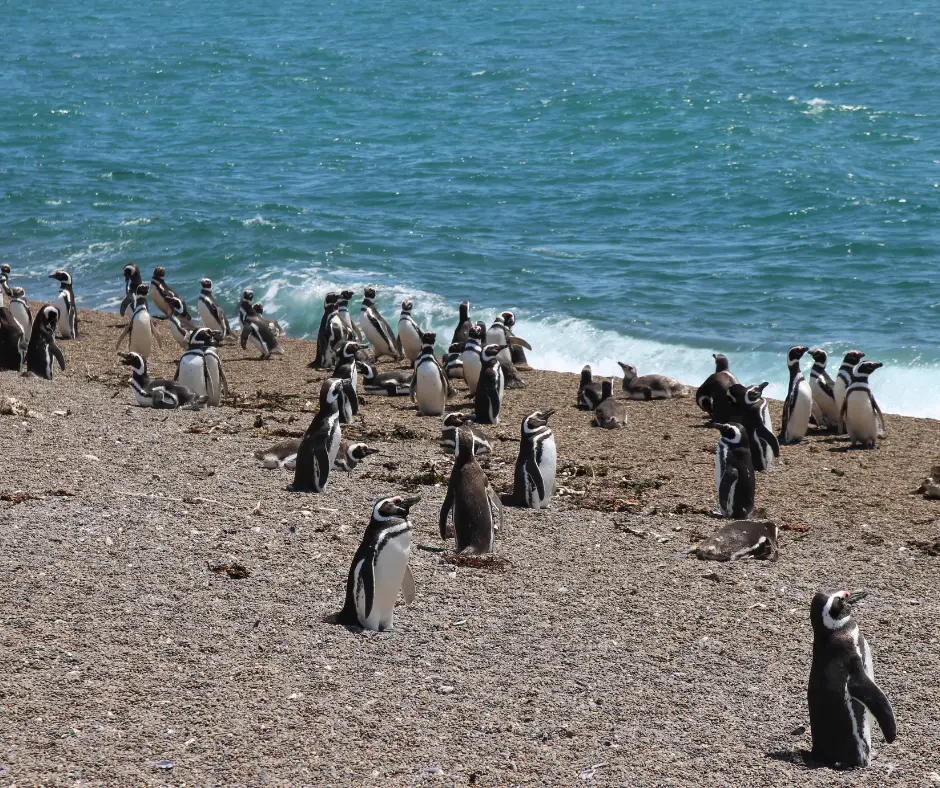
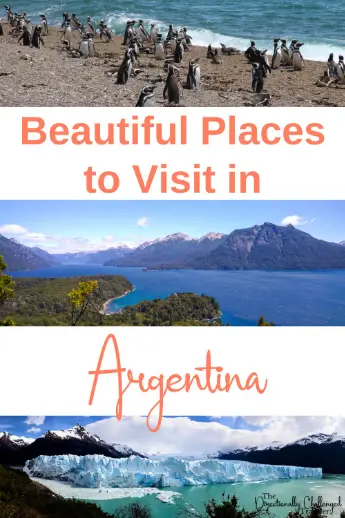
The Valdes Peninsula is an enormous, protected reserve measuring 7500 square kms of both land and marine surface. It has become a significant location for viewing nature and its unique wildlife. Several animals, such as the Southern Elephant Seal, Southern Sea Lions, and of course the Magellan Penguins, have their breeding grounds here.
At one end of the peninsula, the Estancia San Lorenz Nature Reserve is home to more than 500,000 penguin,s and visiting here is a phenomenal experience. Walking around the grounds, the penguins go about their daily life, making their way from the water’s edge to their nests, tending to their young, eating, and socializing. Visitors can walk amongst them and experience them in an unrestricted and personal way.
A little further up the coast at the Punta Norte Reserve, hundreds of sea lions and elephant seals lounge on the beach. While you can’t walk amongst them due to their massive size, they are still amazing to see and hear as they bark loudly at each other.
If you are looking for a tour, the closest town with departures is Puerto Madryn. Or you could rent a car and drive there. If going on your own, there will be a park entry fee of approximately 30 USD. Keep in mind that parts of the drive are extremely bumpy due to the rough roads, so it is best to have an experienced driver. The reserves are open year-round, but the optimal time to visit is during or after breeding season from October to January.
Final Thoughts
These iconic destinations, merely glimpses into the country’s vast beauty, leave an indelible mark, inspiring a desire to explore further. Argentina is a land that rewards the curious, a place where every corner turned reveals a new, awe-inspiring vista, promising countless more adventures for those ready to discover them. Just don’t forget the empanadas!
Save “Beautiful Places to Visit in Argentina” for Later
About the Author
Read More About Argentina



Leave a Reply